
Kathmandu University and Heidelberg's computing centre sign an MoU
KU and Heidelberg University's IWR agreed on exchanges and joint research, starting with a week-long scientific computing summer school.
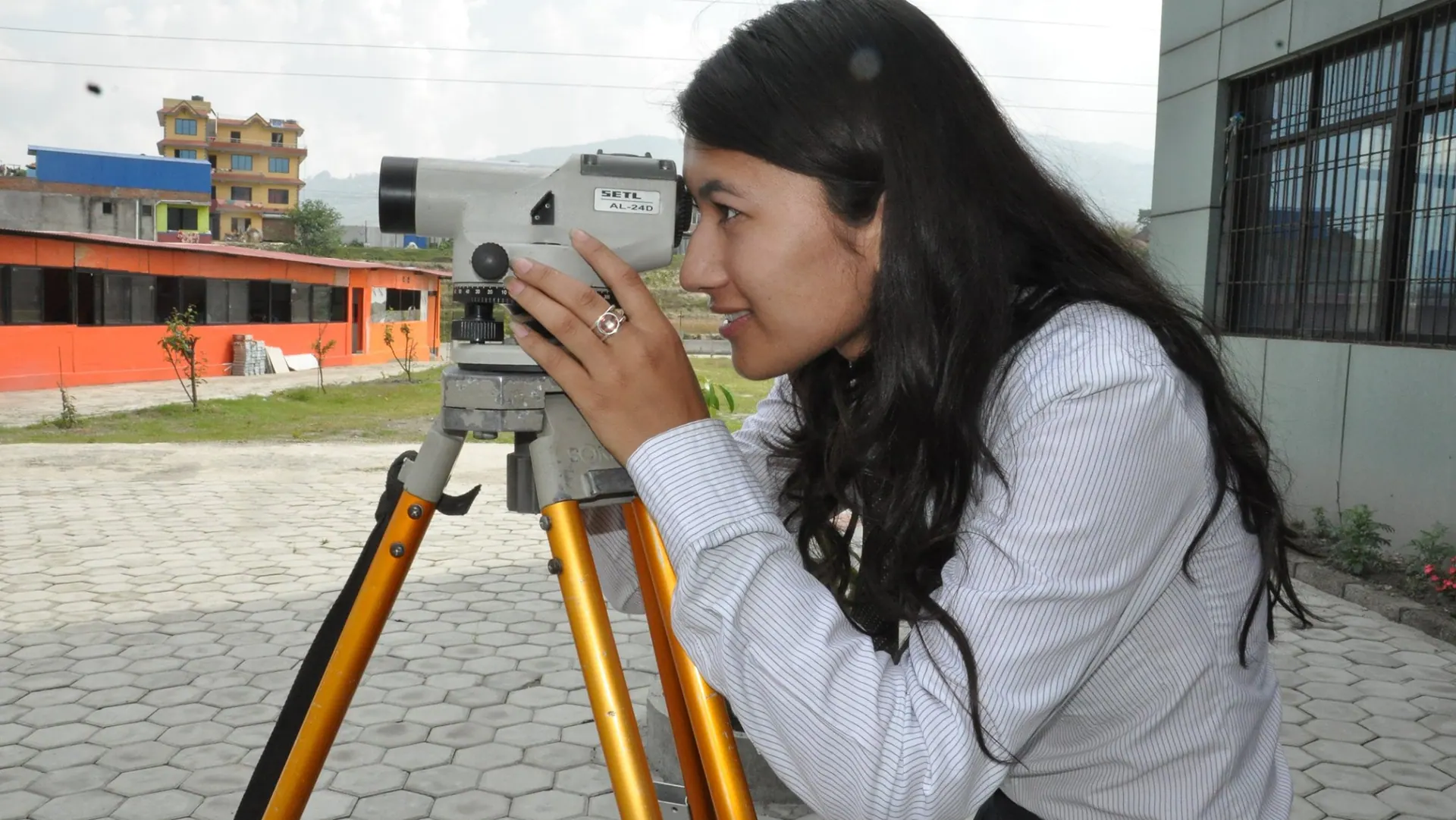
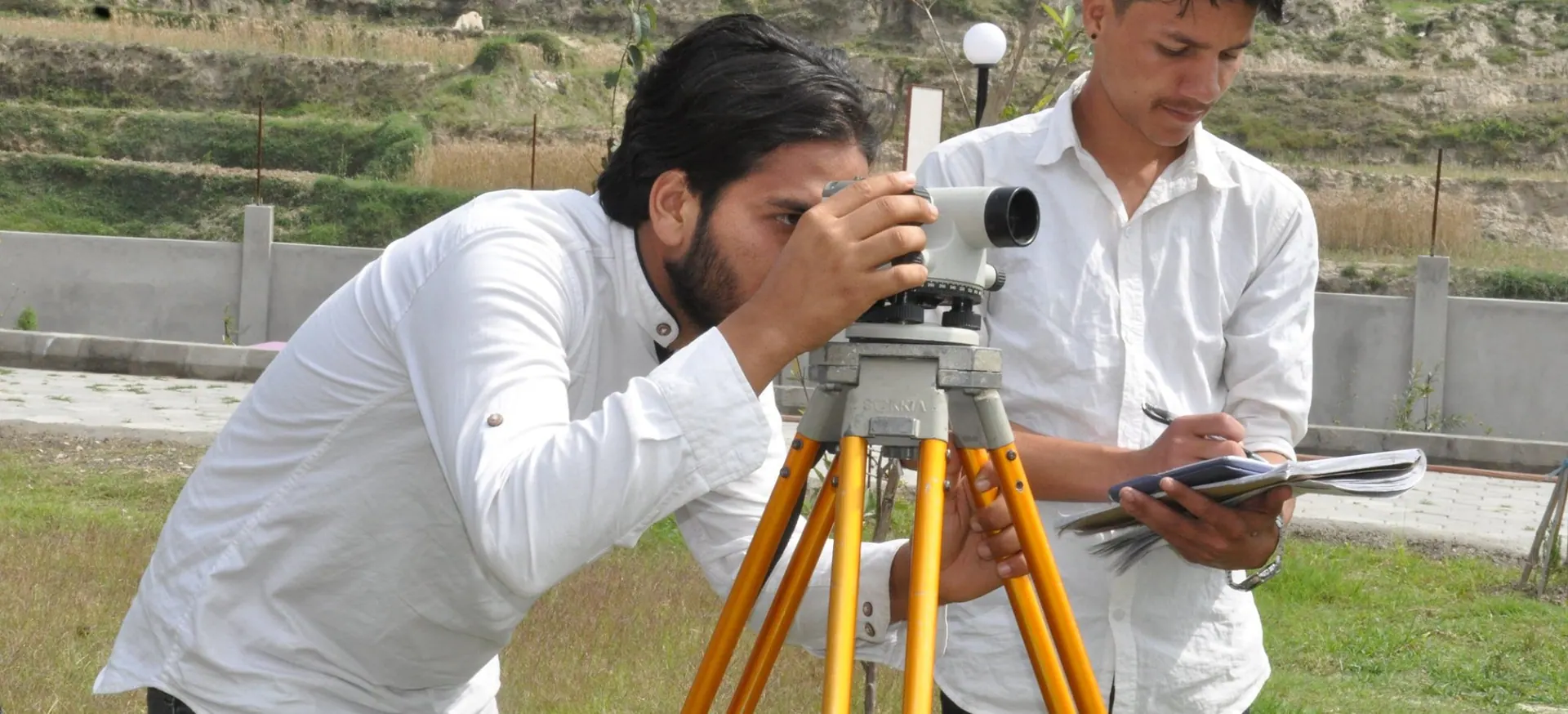
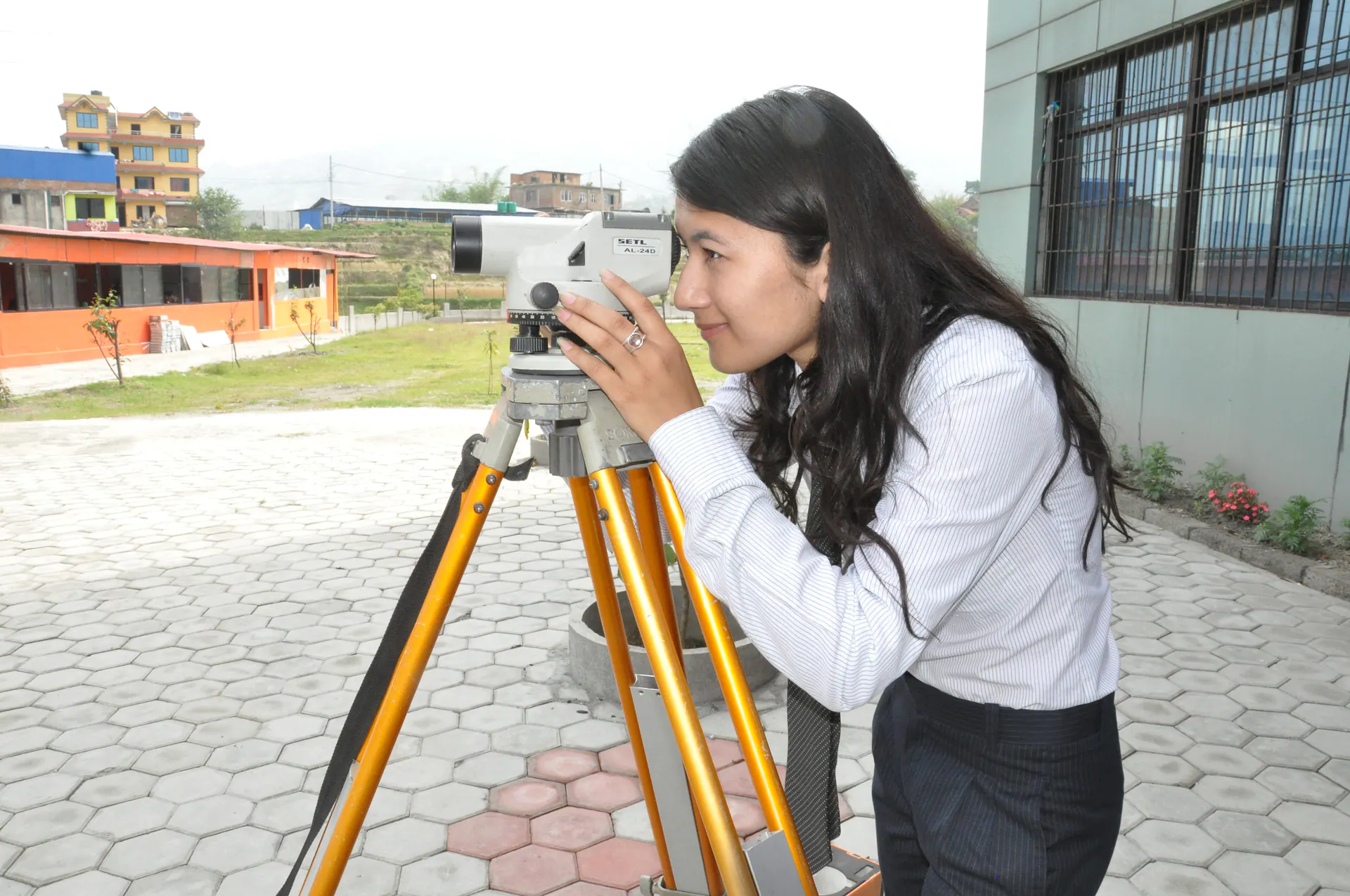
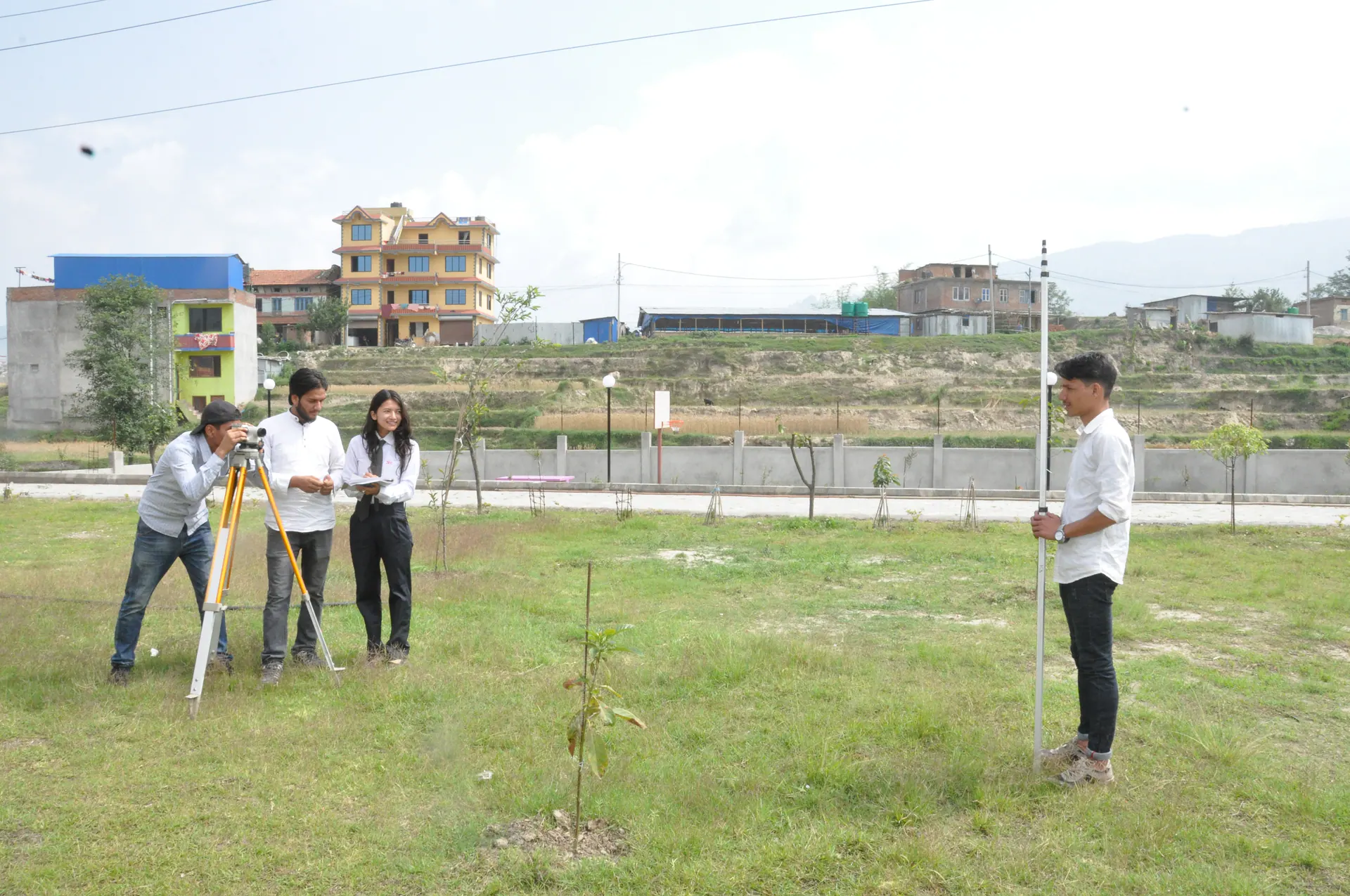
Kathmandu University (KU) and the Interdisciplinary Center for Scientific Computing (IWR) at Heidelberg University in Germany signed a memorandum of understanding on 21 September 2026, KU announced. The agreement covers student exchange, visiting professors and joint research. Its first activity was a week-long summer school on applied mathematics and scientific computing for 45 participants from KU and Tribhuvan University.
- 45participants at AMSC 2026, from KU and Tribhuvan University
- 5areas of cooperation listed in the agreement
- 2lecture series: PDE solution, and ODE modelling and parameter estimation
- 20-25 Sepdates of the summer school, as listed by the IWR
What happened
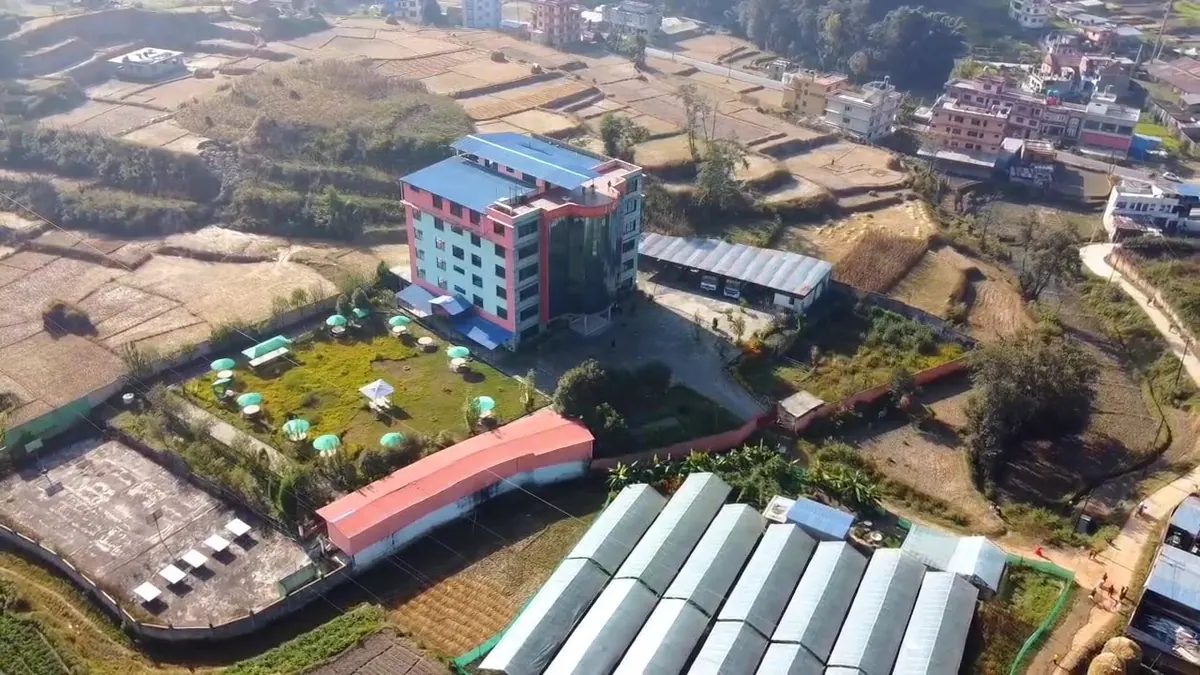
The signing took place at the Nepal Technology Innovation Center on the KU campus in Dhulikhel. Professor Bal Krishna Bal, dean of the KU School of Engineering, signed for KU. Dr Michael Winckler, administrative director of the IWR, signed for Heidelberg. KU Vice Chancellor Bivek Baral, Registrar Biraj Singh Thapa and Benjamin Seidel, deputy head of the German mission in Nepal, attended the ceremony.
Also present from the German side were Professor Peter Bastian of the IWR and Dr Suboor Bakht, who directs Heidelberg University's office for South Asia in New Delhi. According to KU, the agreement sets out a long-term collaboration in five areas. These are undergraduate and graduate student exchange, visiting professorships and scientific visits, lectures and seminars, joint research, and consultation between the two institutions. KU did not state how long the agreement runs.
The first activity was the Summer School on Applied Mathematics and Scientific Computing, called AMSC 2026. The IWR lists it as running from 20 to 25 September, and KU said it opened on the day of the signing. KU describes it as the first German summer school in Nepal focused on mathematics and computing. The vice chancellor and the German deputy head of mission both said they hoped the link would bring research and learning chances to students and teachers.
The engineering behind it
The IWR describes the school as an intensive week of lectures and hands-on training. It introduces mathematical models of real processes and the numerical methods and software used to simulate them. KU listed two lecture series. Professor Bastian led one on the numerical solution of partial differential equations. Dr Winckler led one on modelling and parameter estimation for ordinary differential equations.
A partial differential equation (PDE) describes how a quantity changes in space and time together. Heat moving through a wall, water seeping under a dam and stress spreading through a beam are all described by PDEs. Most real PDEs cannot be solved with a neat formula. Instead, engineers divide the region into many small pieces, write an approximate equation for each piece, and let a computer solve the large system that results. This is the idea behind finite difference and finite element methods.
An ordinary differential equation (ODE) describes change in one variable, usually time. The charging of a capacitor, the cooling of an engine and the level of water in a tank are common examples. Parameter estimation is the reverse problem. The engineer has measured data and a model, and needs the unknown constants, such as a resistance or a flow coefficient, that make the model match the data. Good estimates need both sound mathematics and careful handling of measurement error.
This is why scientific computing sits under so much engineering software. Structural analysis programs, flood models, circuit simulators and many machine learning methods are built on the same core steps: write a model, turn it into numbers, solve it, and check the answer against reality. An engineer who uses such software without knowing these steps can still get an answer. But that engineer cannot easily tell when the answer is wrong, for example when the mesh is too coarse or the time step is too long.
What it means in Nepal
The IWR says the school is aimed at students and early-career researchers from Nepal and Germany. KU reported that the 45 participants came from KU and from Tribhuvan University, so the first activity reached beyond the host university. The organisers on the KU side came from computer engineering, the Department of Artificial Intelligence and the Department of Computer Science and Engineering. Lecturer Sanjog Sigdel coordinated the school.
An agreement like this mainly opens routes. Student exchange, visiting professors and joint research are listed in the text, but the sources do not give numbers, dates or funding for any of them yet. What exists now is one completed summer school. Whether the partnership grows will show in later calls for exchange places or new schools, which the IWR and KU would announce on their own pages.
For a student, the skills taught here are general. Turning a physical problem into equations, choosing a numerical method, writing code to solve it and judging whether the result is believable are useful in civil, computer and electronics work alike. These skills are also the entry point to research in simulation, which this school was designed to introduce. A student does not need a foreign exchange to start. The core methods are part of the engineering mathematics taught in the BCE, BCT and BEI syllabi, and free software is widely available to practise them.
What to study if this interests you
Numerical Methods is the closest course. It is ENSH 202 in the third semester of BCE, and ENSH 252 in the fourth semester of BCT and BEI. Its chapters include solving ordinary and partial differential equations, the same two topics as the summer school lectures. Engineering Mathematics III, ENSH 201, in the third semester of all three programmes, covers partial differential equations and modelling with them, and the course has a full guide on this site.
BCT students meet the full idea again in Simulation and Modeling, ENCT 353, in the sixth semester. It covers physical and mathematical models, simulation of continuous systems, and how to check that a simulation model is correct. The course also covers simulation software and the analysis of simulation output. For BCE students, the same methods return later in courses that use computer analysis of structures and water flow.
Words in this story
- Memorandum of understanding (MoU)
- A written agreement that sets out how two institutions plan to work together, usually without fixed money or numbers.
- Partial differential equation (PDE)
- An equation for a quantity that changes with more than one variable, such as position and time.
- Parameter estimation
- Finding the unknown constants in a model so that the model matches measured data.
- Scientific computing
- Using mathematical models, numerical methods and computers to simulate real processes.
Where this comes from
- Kathmandu University, 21 Sep 2026
- Heidelberg University, IWR, 20 Sep 2026
- Kathmandu University, 21 Sep 2026
Written in our own words; no sentence is copied from these reports. Researched with AI assistance on 11 October 2026; no member of faculty has reviewed it yet. If you spot a mistake, call 01-5091616 and we will correct it and say so.