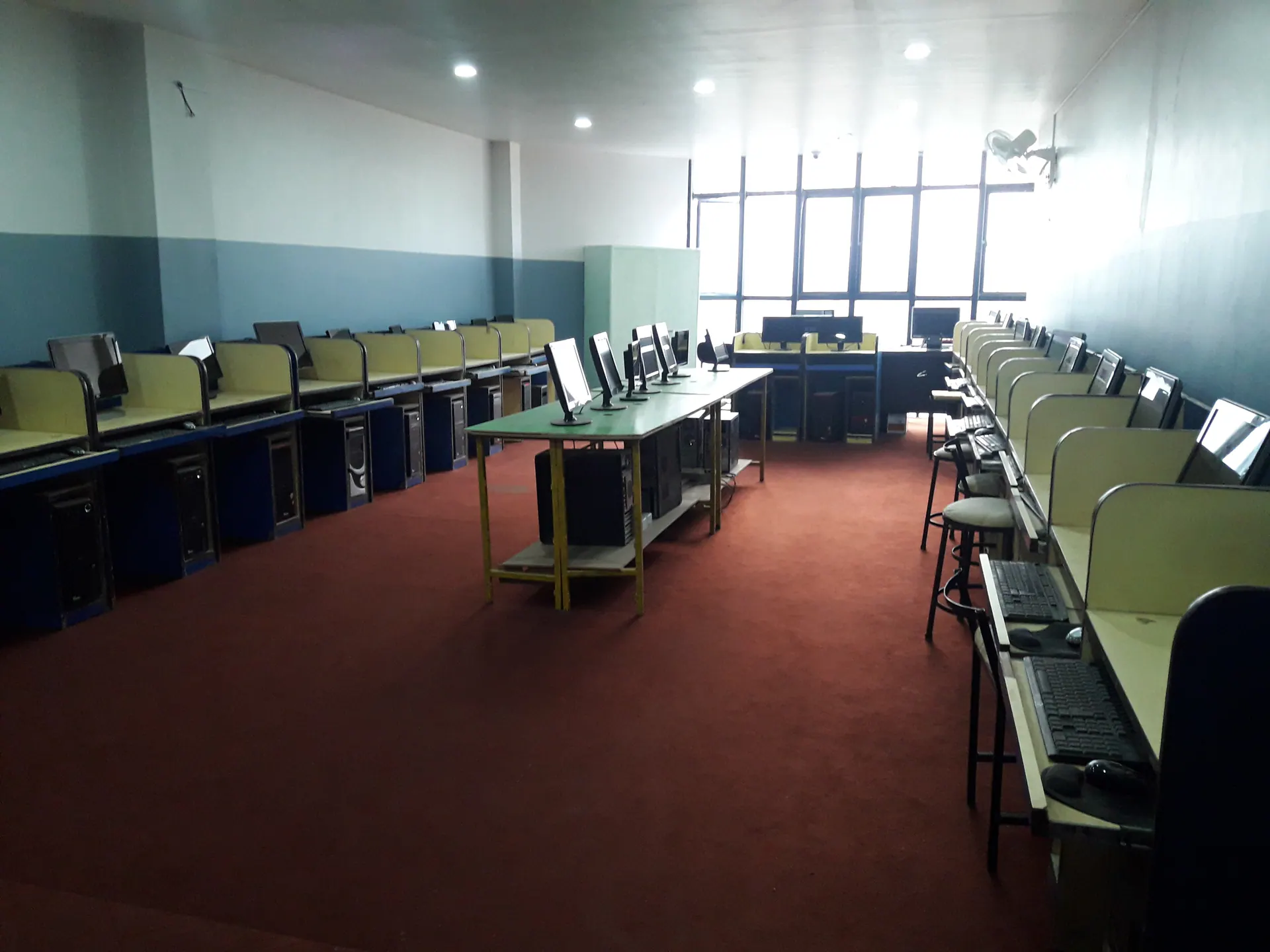
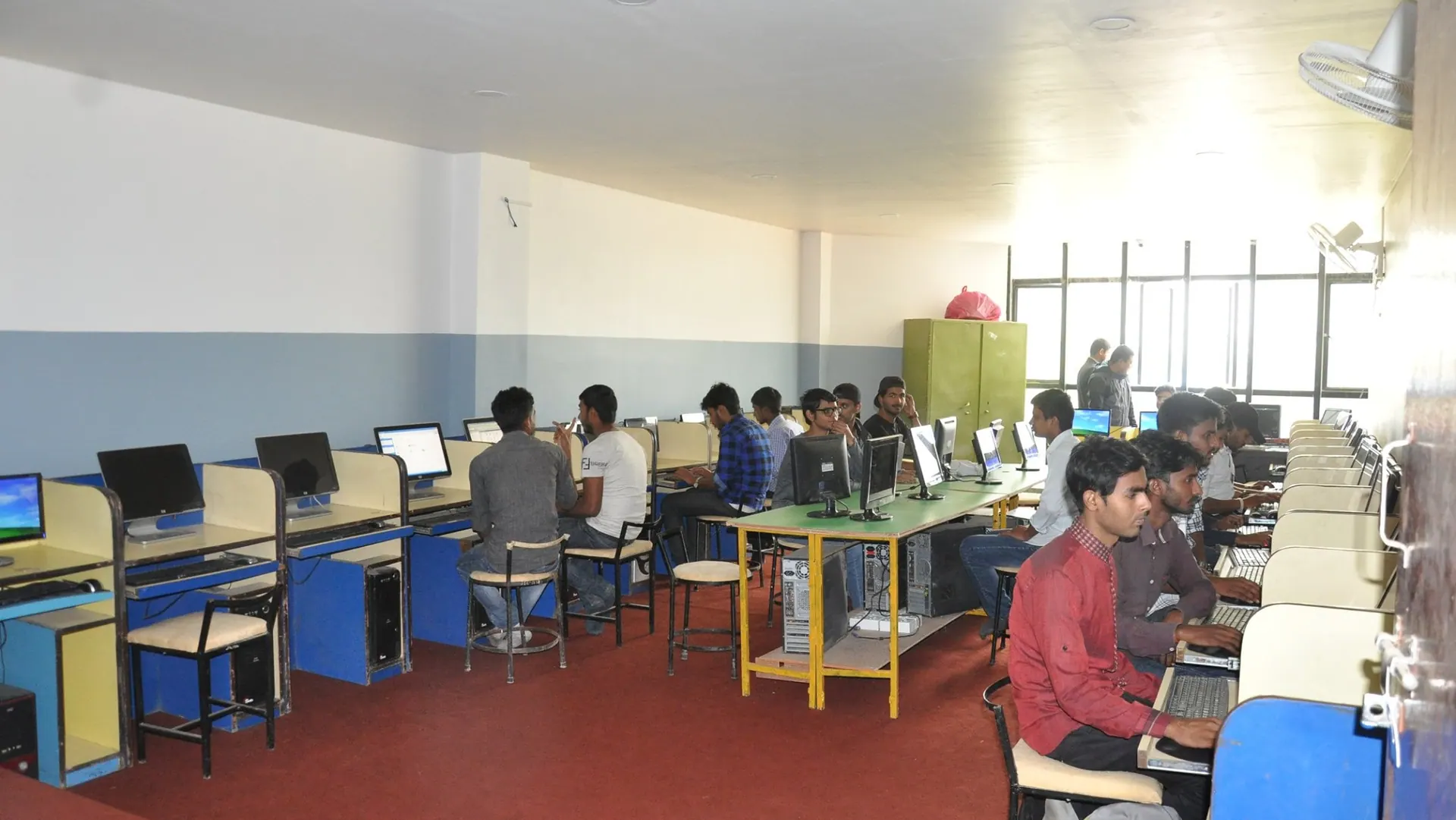
Computer labs
Networked workstations arranged for practical classes.
Flood helplinesGorkha flood, 11 OctoberRoad reports checked 17 October 2026
Four-year Bachelor of Engineering programs affiliated to Tribhuvan University, Institute of Engineering, on a purpose-built campus in Tathali, Bhaktapur.
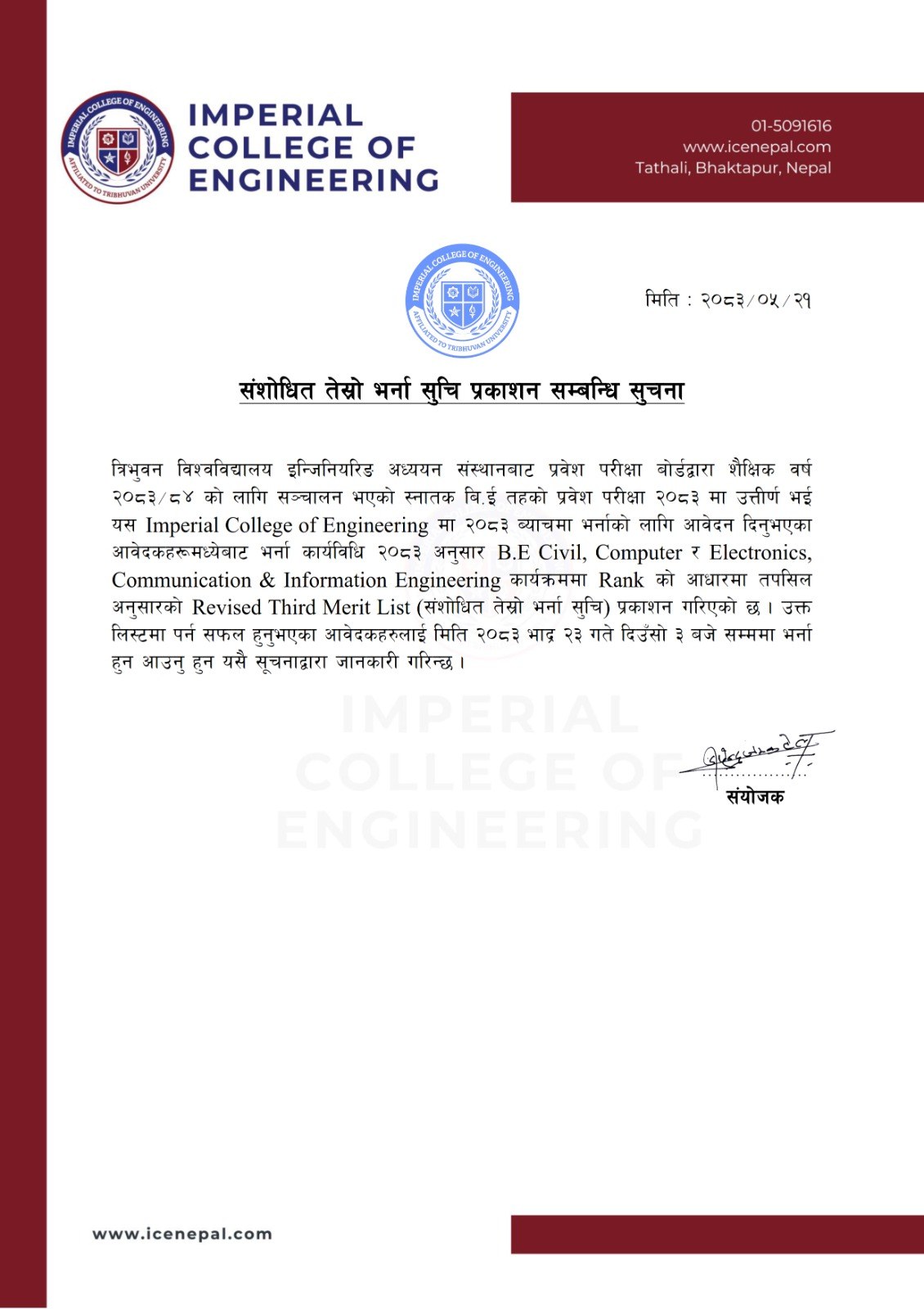
Admission 2083/84: inquiries openThe revised third merit list was published on 6 September 2026, drawn on IOE entrance rank alone, and admission from it ran to 3:00 pm on 8 September. That was the last window on IOE's central schedule. The signed sheet is still posted at the Tathali campus. If you were on it and could not get here in time, ring 01-5091616 before you decide the seat is gone.
Admission from it ran 7 September 11:00 am to 3:00 pm on 8 September. What the procedure allows after it is on the notice board.
Where the second list closed
The third list's own closing ranks are not published. The first and second lists stay searchable by roll number.
Programs Offered
All programs run full-time over eight semesters on the Institute of Engineering (IOE) curriculum. Open a course for the semester-by-semester breakdown, labs, and career paths.
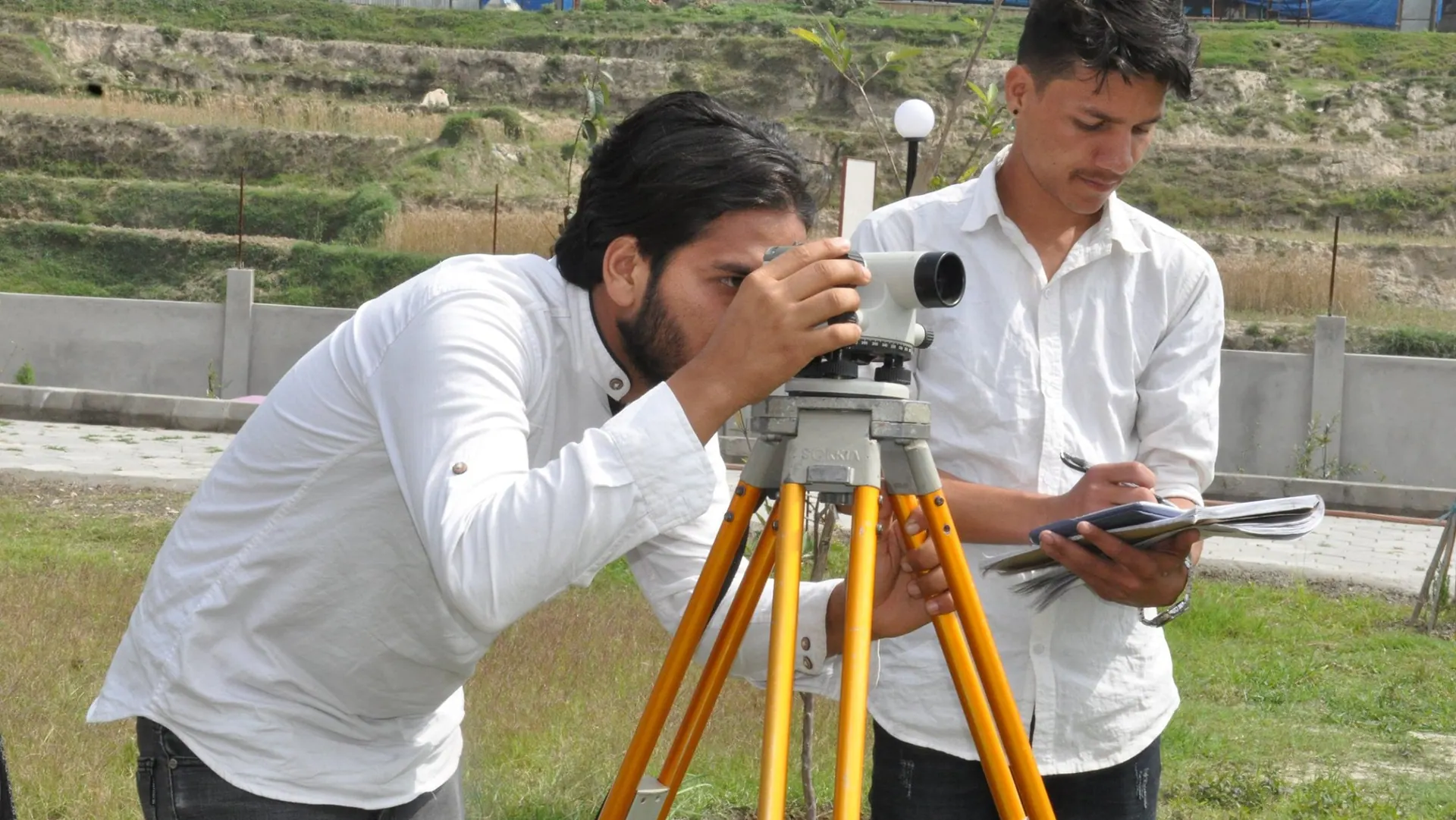
BCE
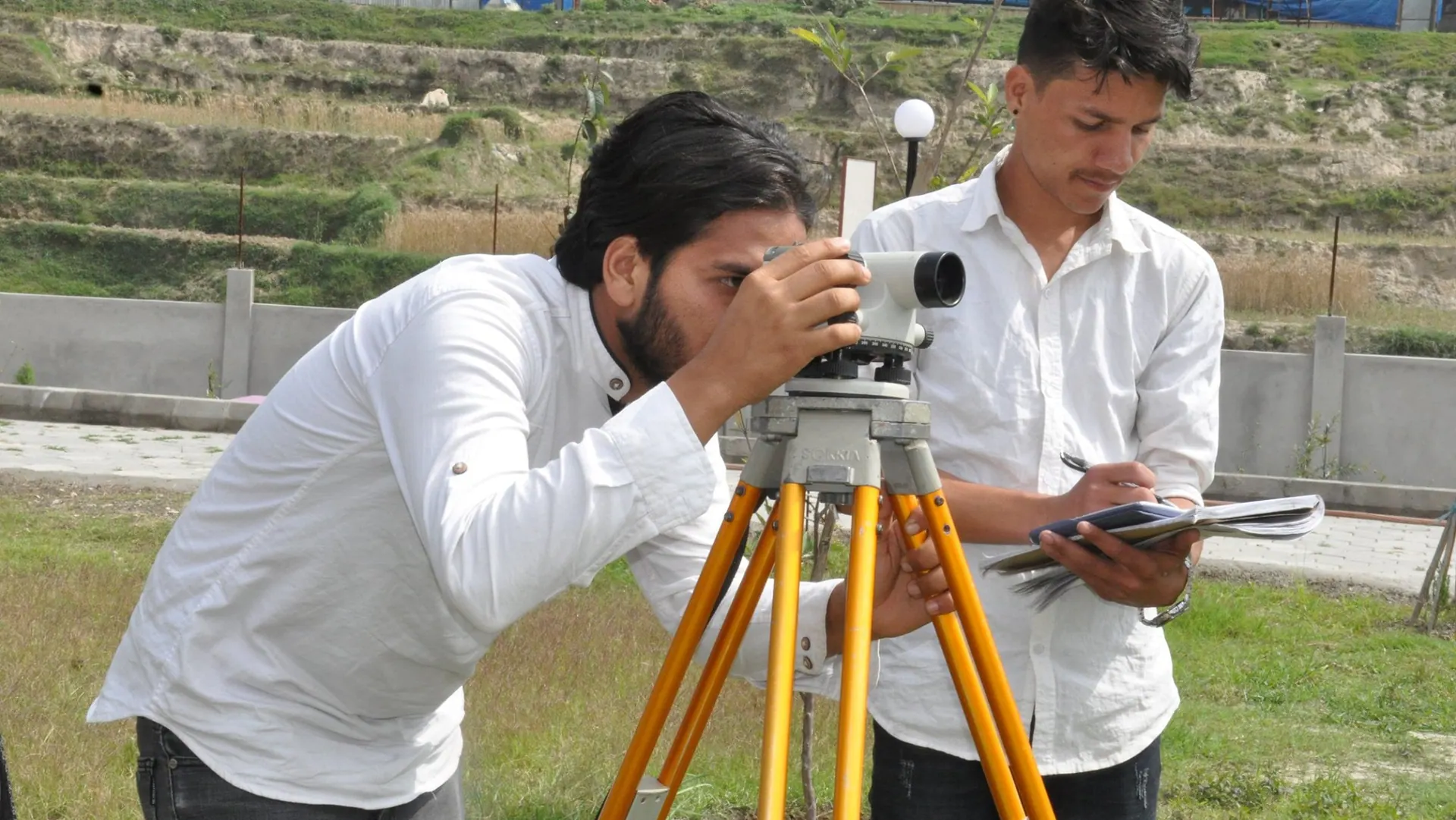
Design and build Nepal's infrastructure: bridges, roads, canals, dams, and buildings, with strong field and survey practice.
View full course →
BCT
Design computer systems and applications: programming, databases, networks, AI, and software engineering.
View full course →
BEI
Analyze and design electronics, communication, and information systems (the backbone of modern connectivity).
View full course →
Notice Board
Live updates for the 2083/84 intake, colour-coded by type. Tap a card for the full notice, or open the complete board.
What makes ICE different
You won't just read about bridges and networks. You'll capture them with drones, rebuild them in 3D, and test them with AI. One modern workflow, taught across all three programs.
BE Admission 2083/84
Every seat is awarded on rank through the Institute of Engineering entrance examination under Tribhuvan University. The 2083 result is out and the admission timetable is published, so there are four steps from your rank to enrollment.
The whole structure is published, and the merit award is already inside the number. Put your IOE rank in and see the exact amount for all three programmes. Work out my fee →
Free hostel for enrolled students and a free daily college bus from Koteshwor to Tathali, in every fee band. See the full table →
Our Conviction
The bridges, networks, and power lines Nepal builds next will be drawn by people who are students today. Everything on this campus exists to make them ready.
About the College
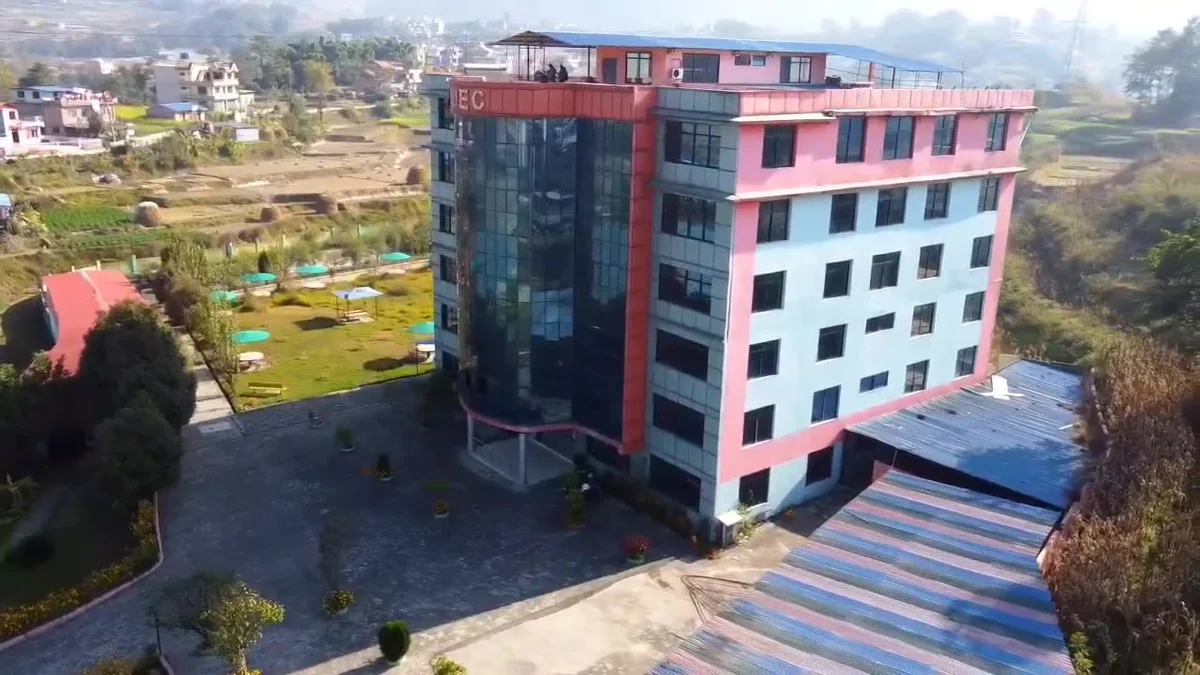
Imperial College of Engineering (ICE) carries forward the legacy of Janakpur Engineering College, which has produced graduate engineers under Tribhuvan University since 2058 BS. In 2082 BS the college moved from Kupondole, Lalitpur to a purpose-built campus in Tathali, Bhaktapur: the same institution, affiliation, and academic record, with modern classrooms and room to grow.
The ICE identity brings the college's current name, Bhaktapur campus, TU affiliation, and three BE programs into one clear public record while preserving the JEC name for alumni and historical references.
Campus in use
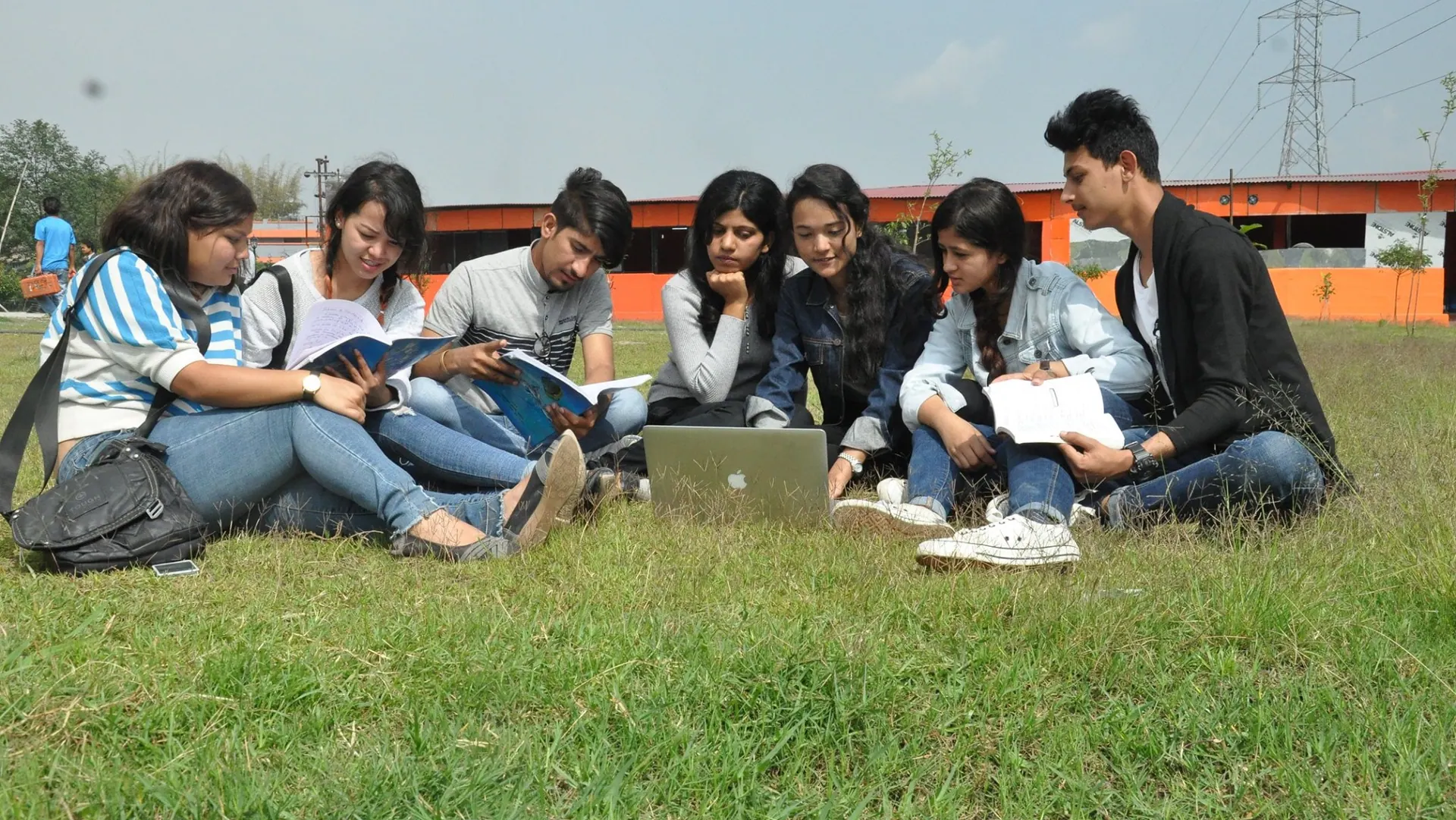
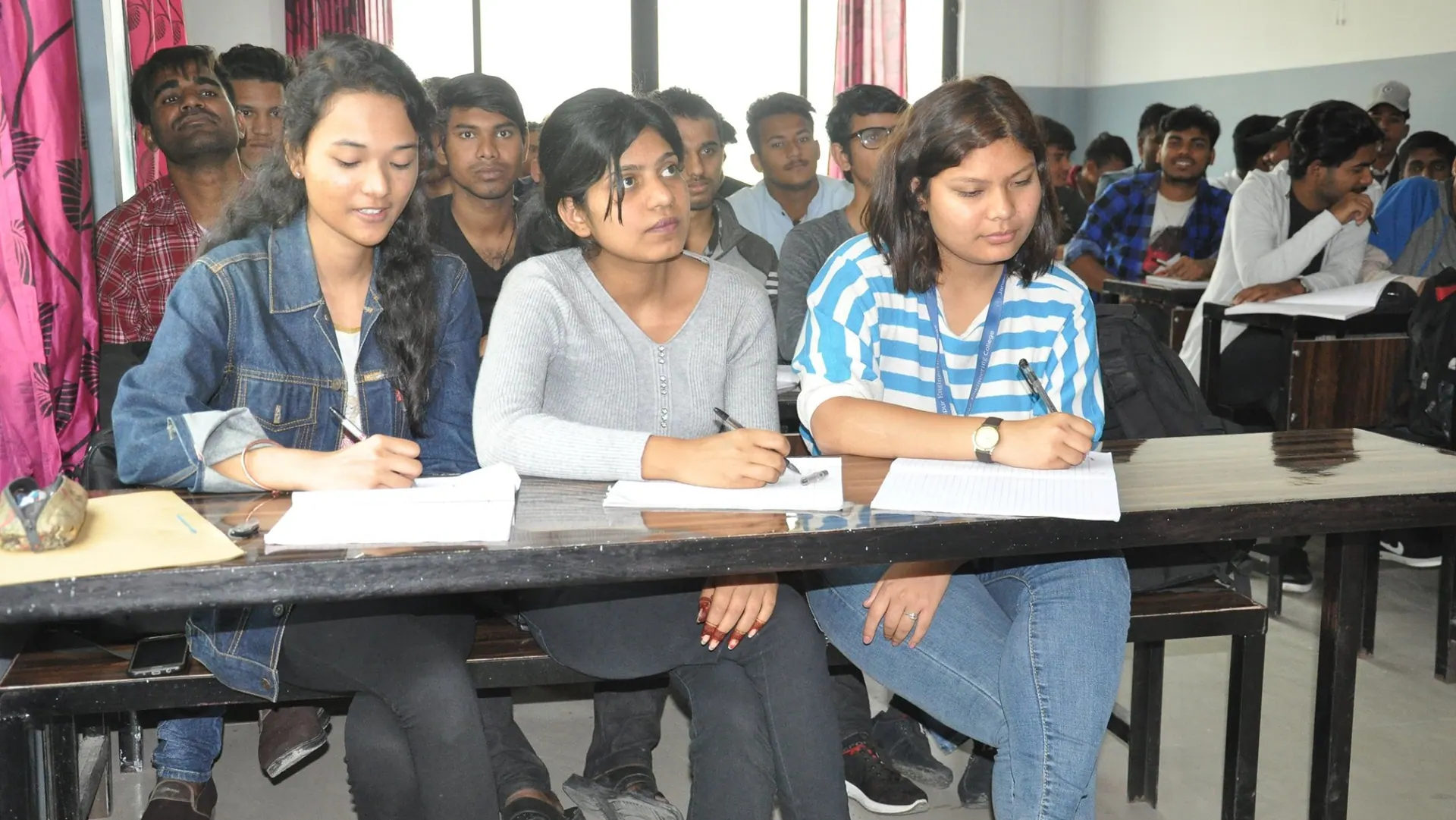
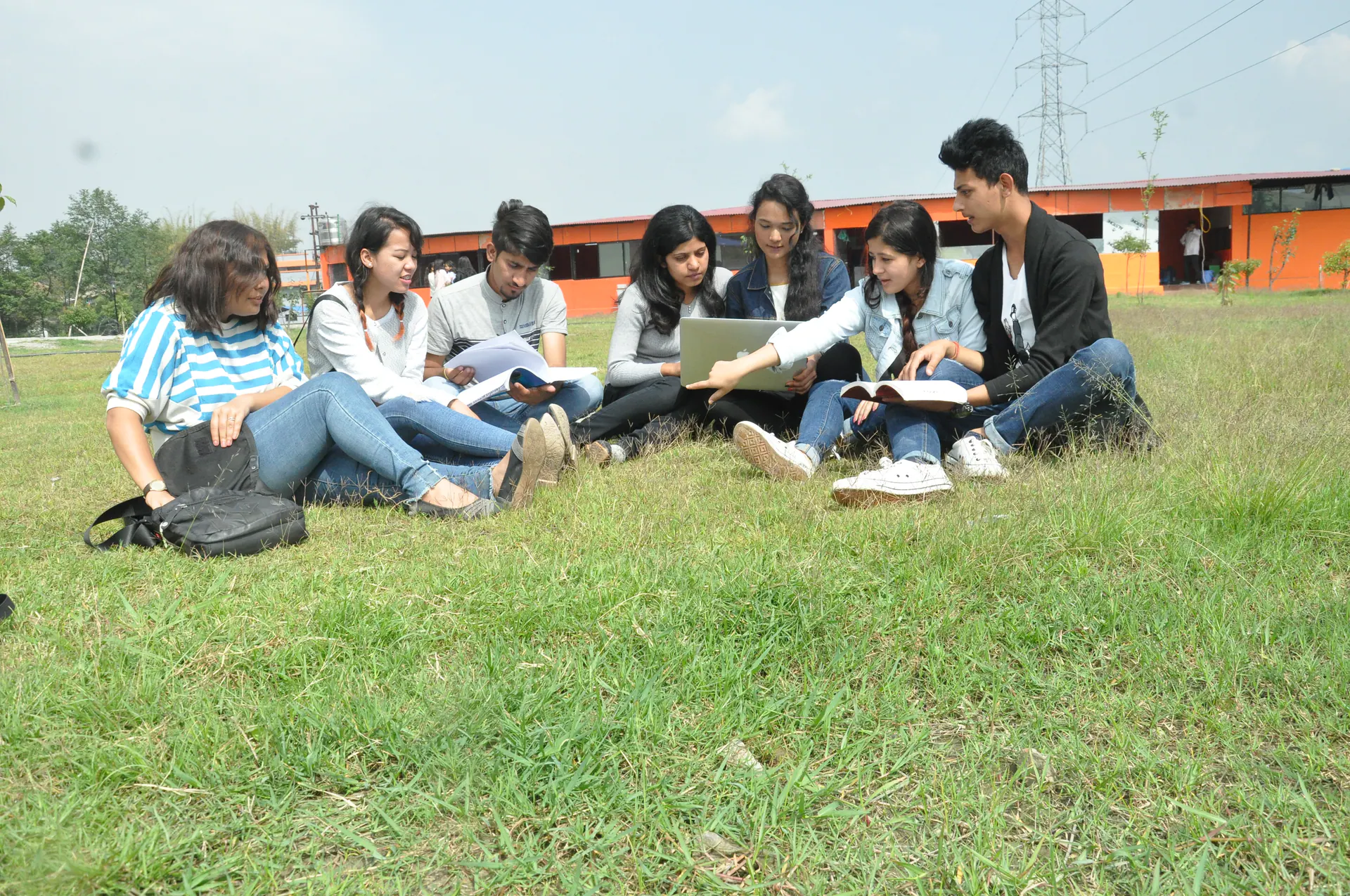
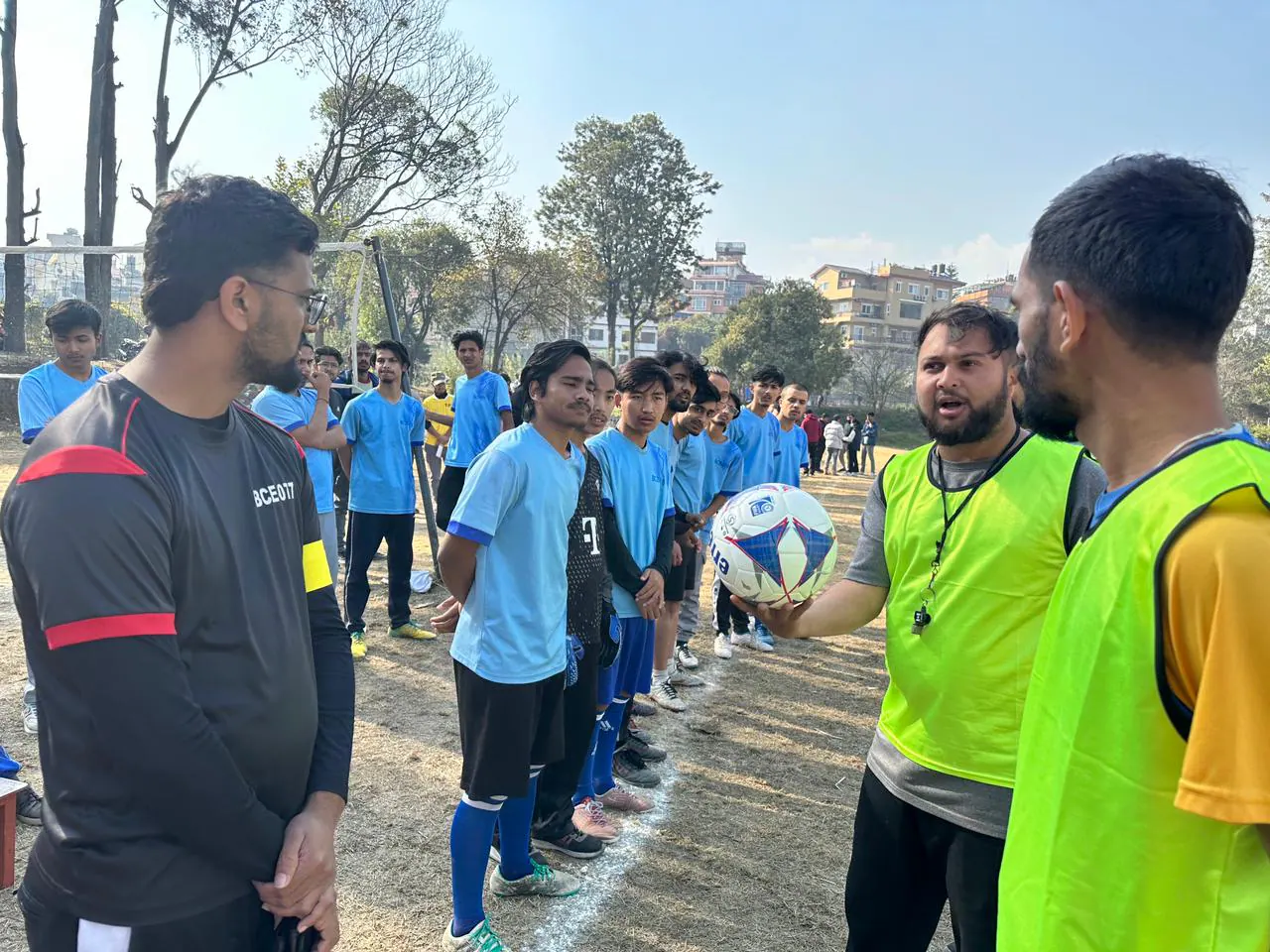
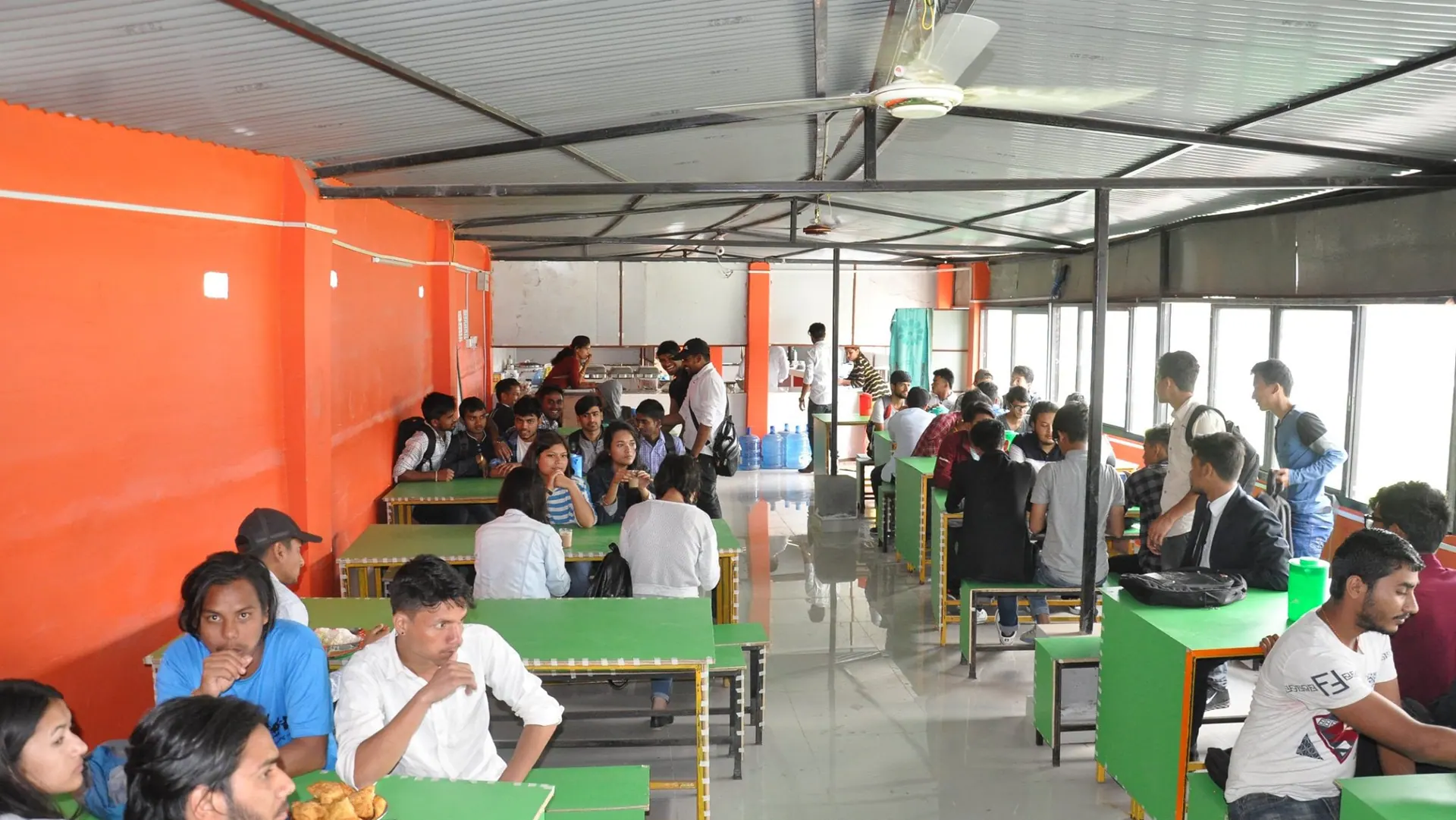
These documentary photographs show the everyday places students use to read, meet, eat and take part in campus life.

Campus Facilities
Networked workstations arranged for practical classes.
Books and reading space for individual study.
A shared place for meals and breaks between classes.
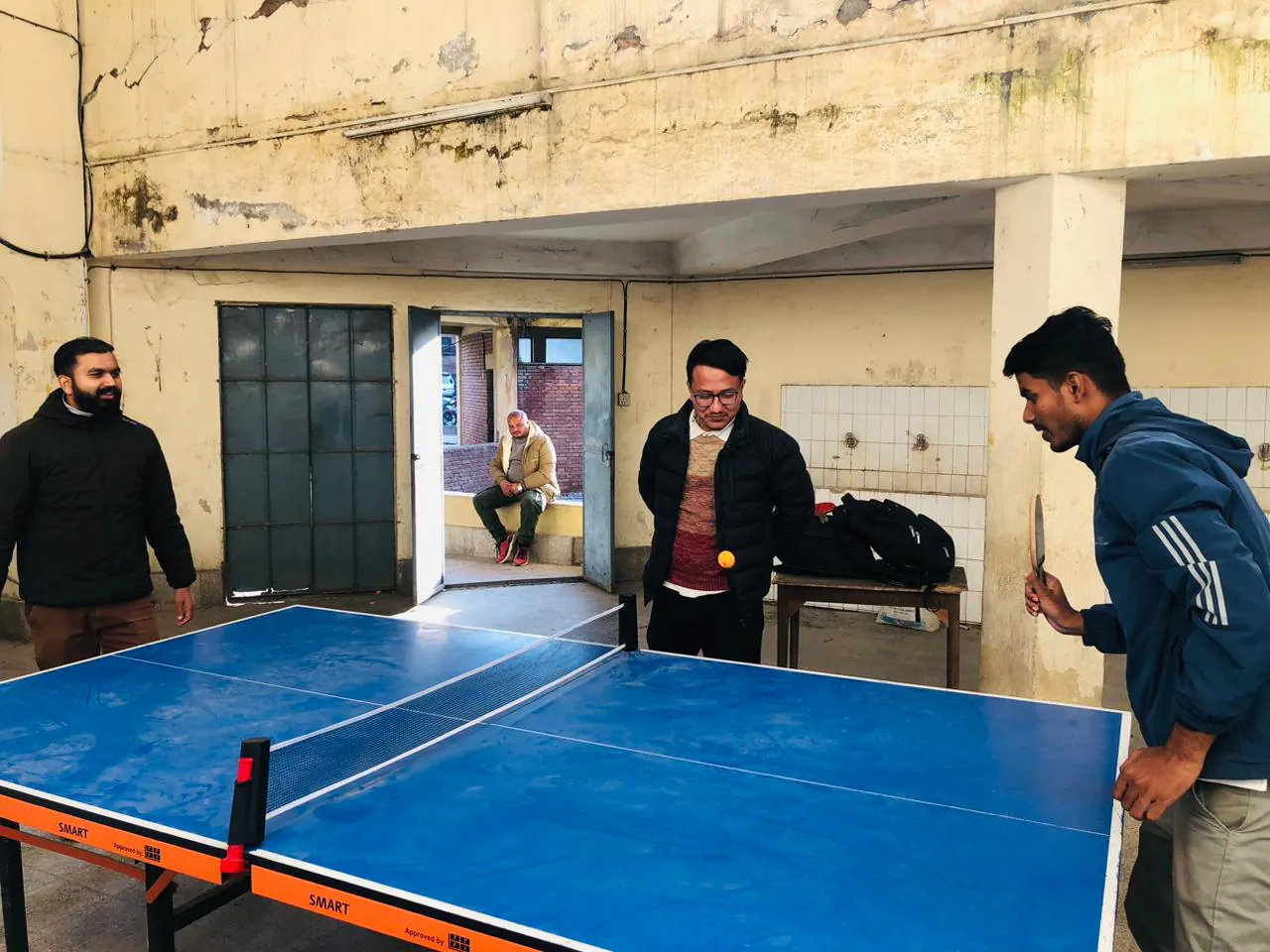
Recreation space for activity outside academic hours.
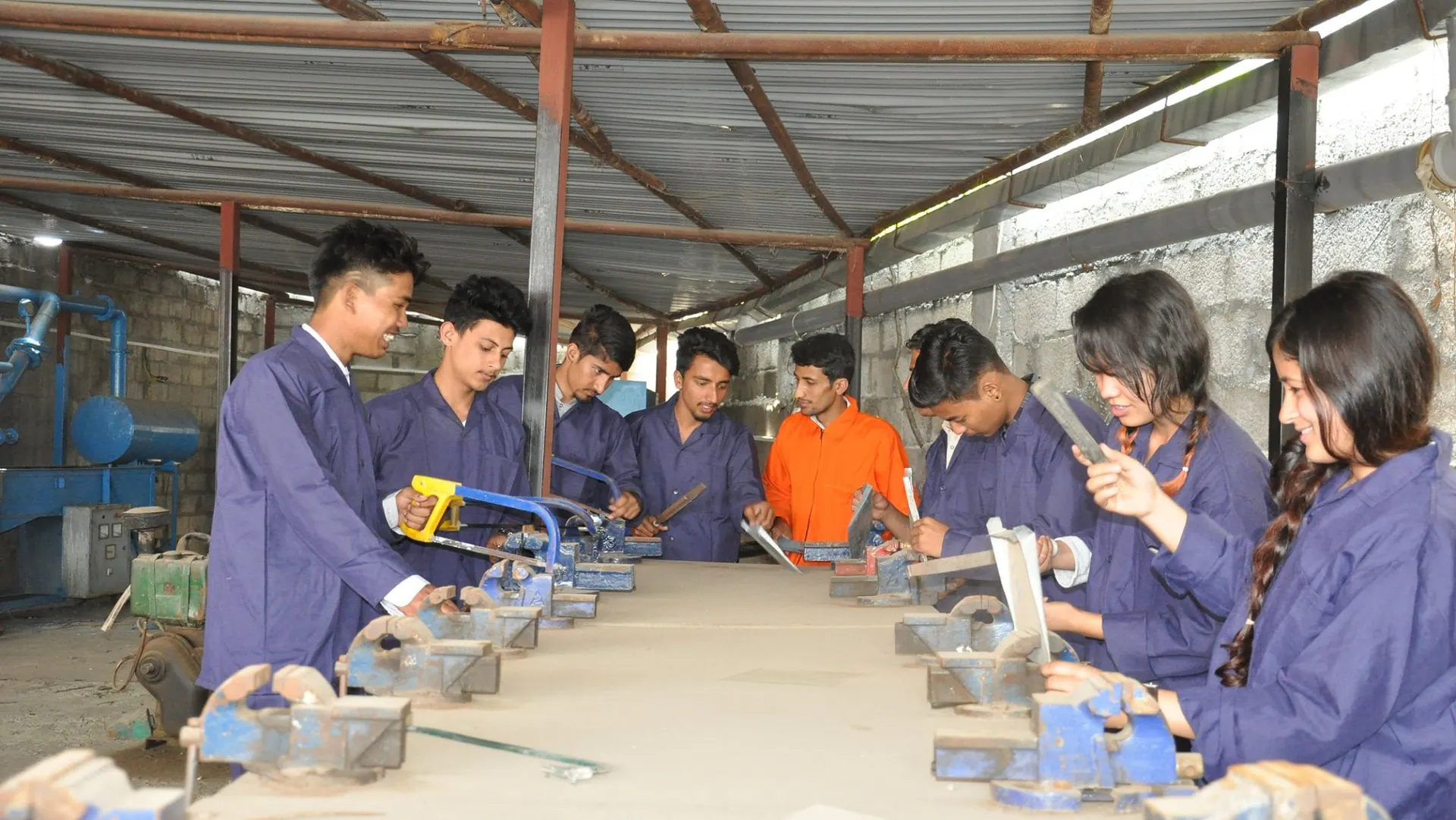
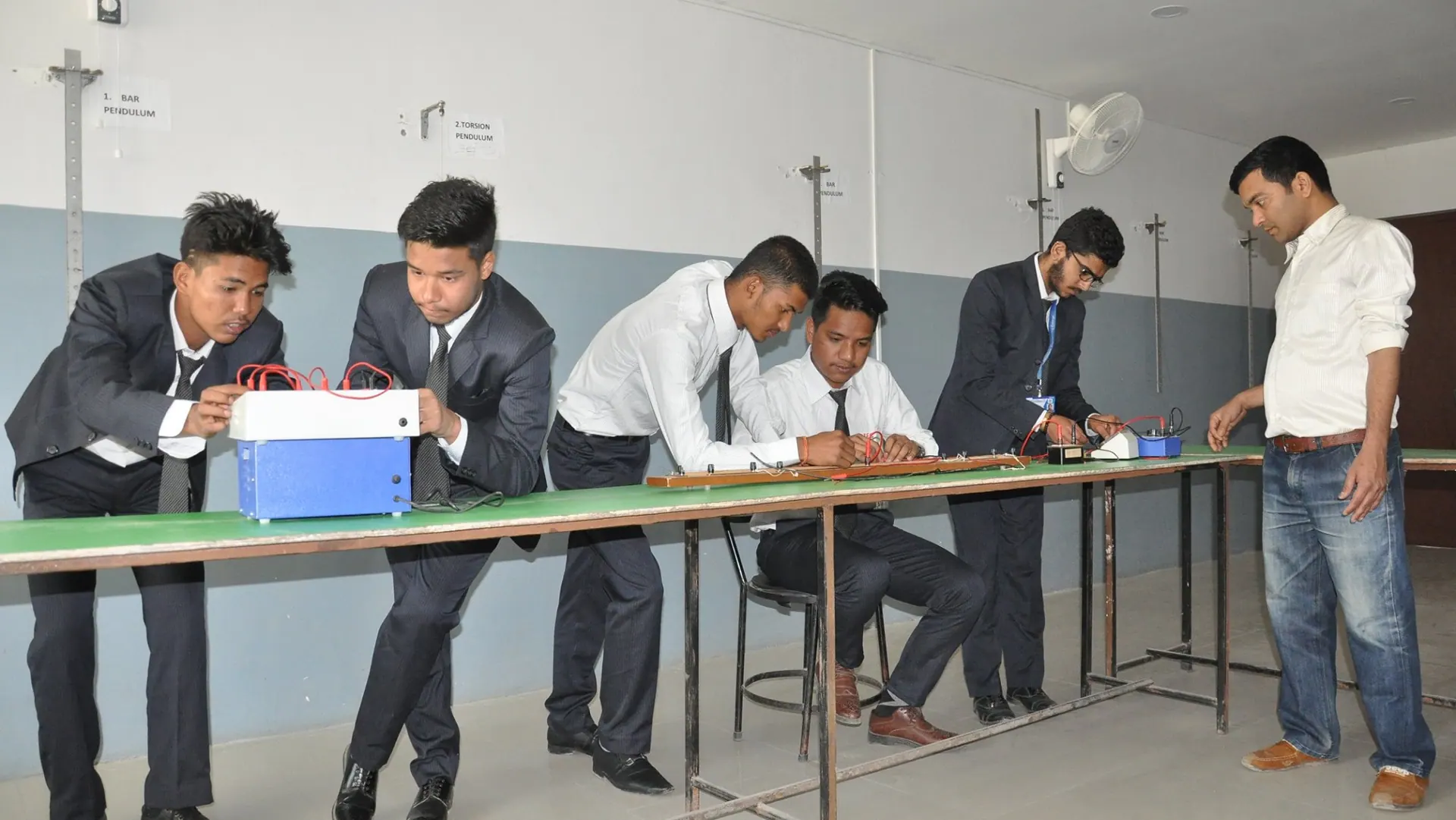
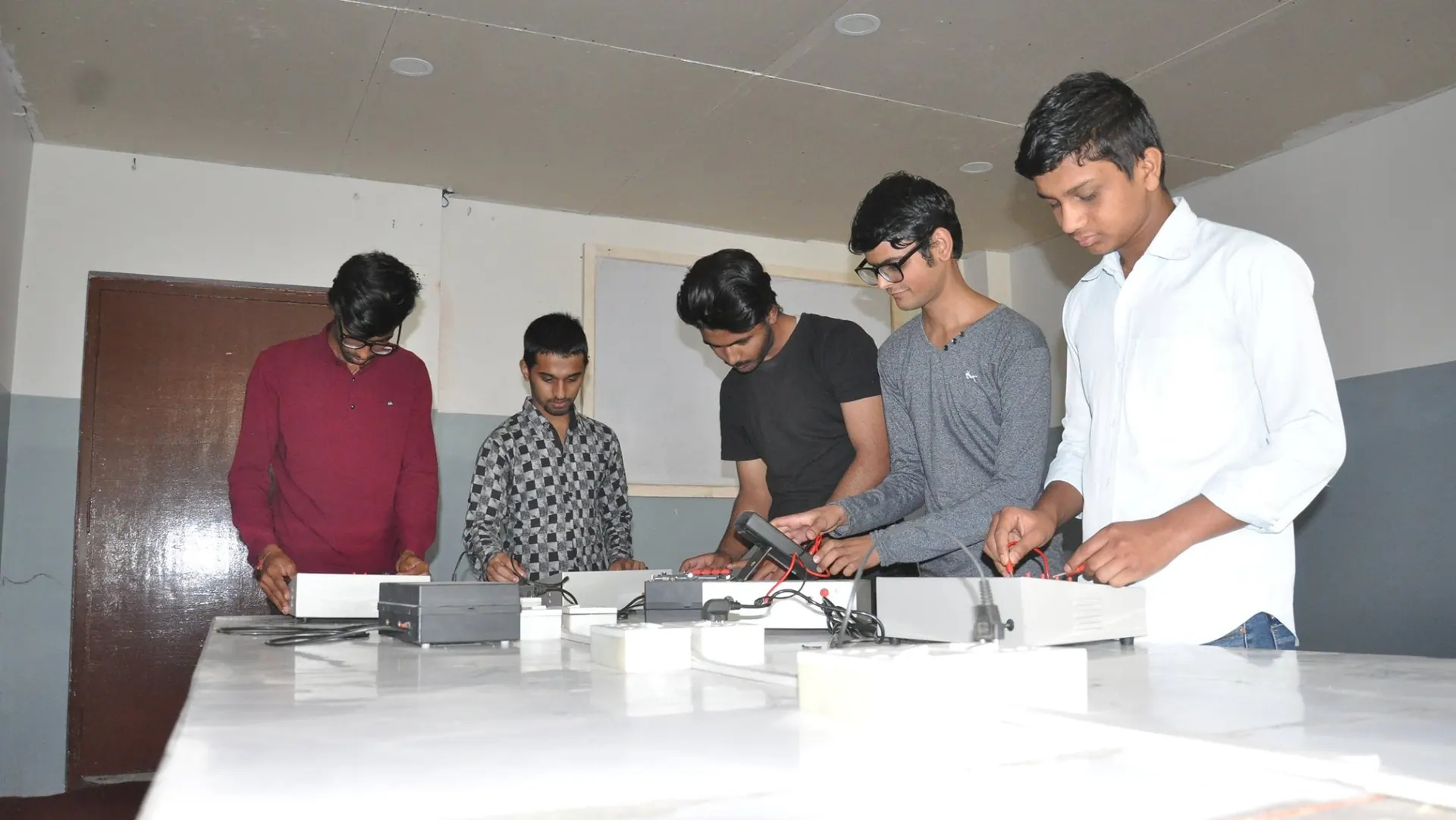
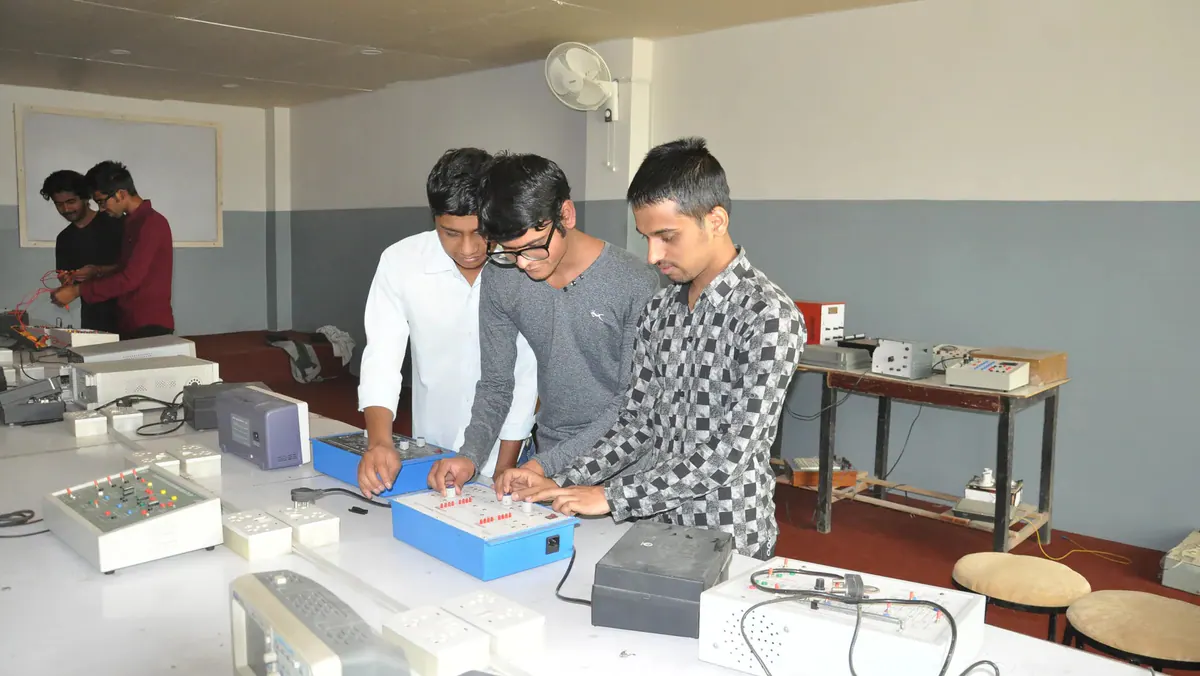
Shared benches support supervised practical work.
Projects & Practical Learning
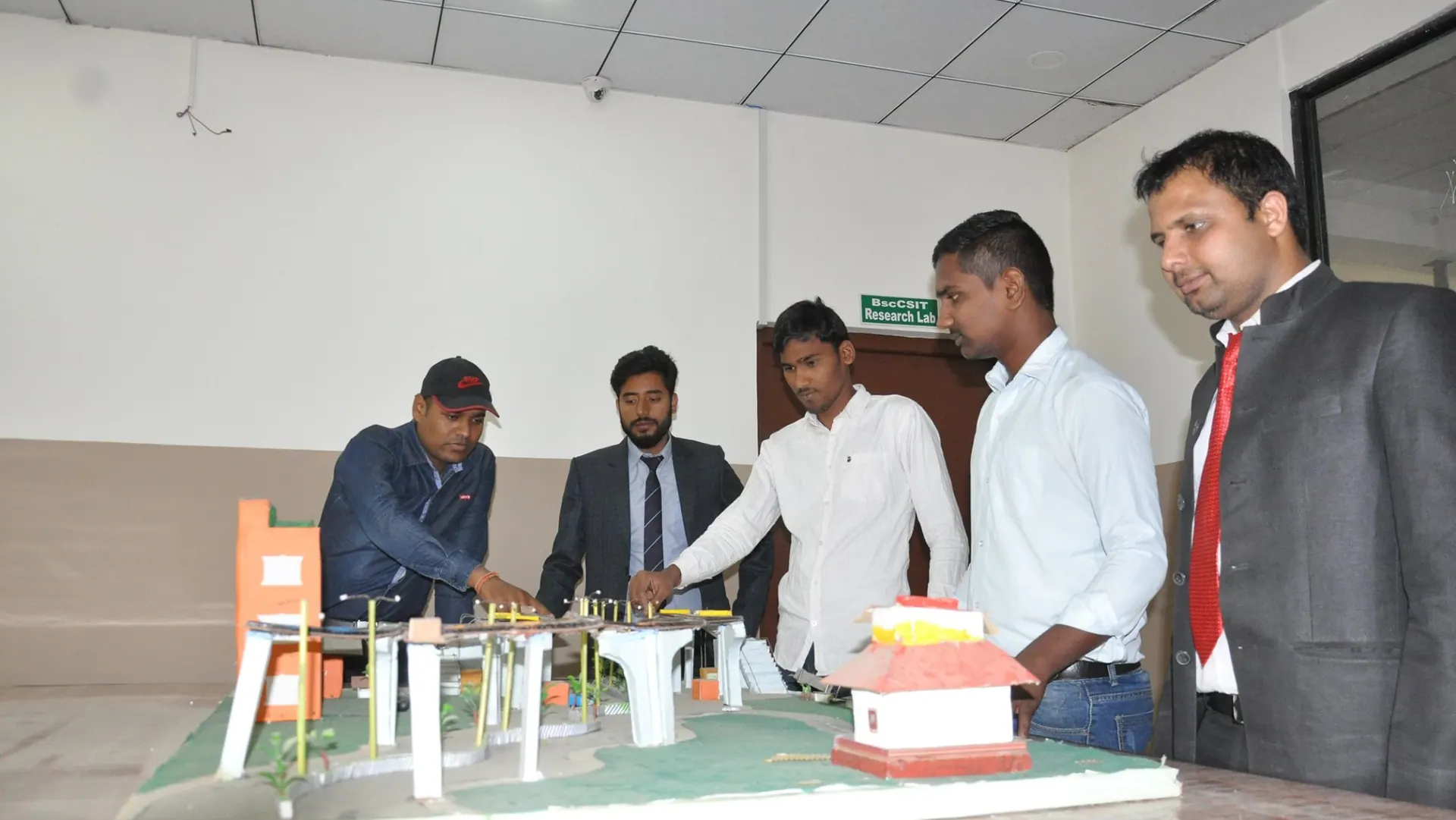
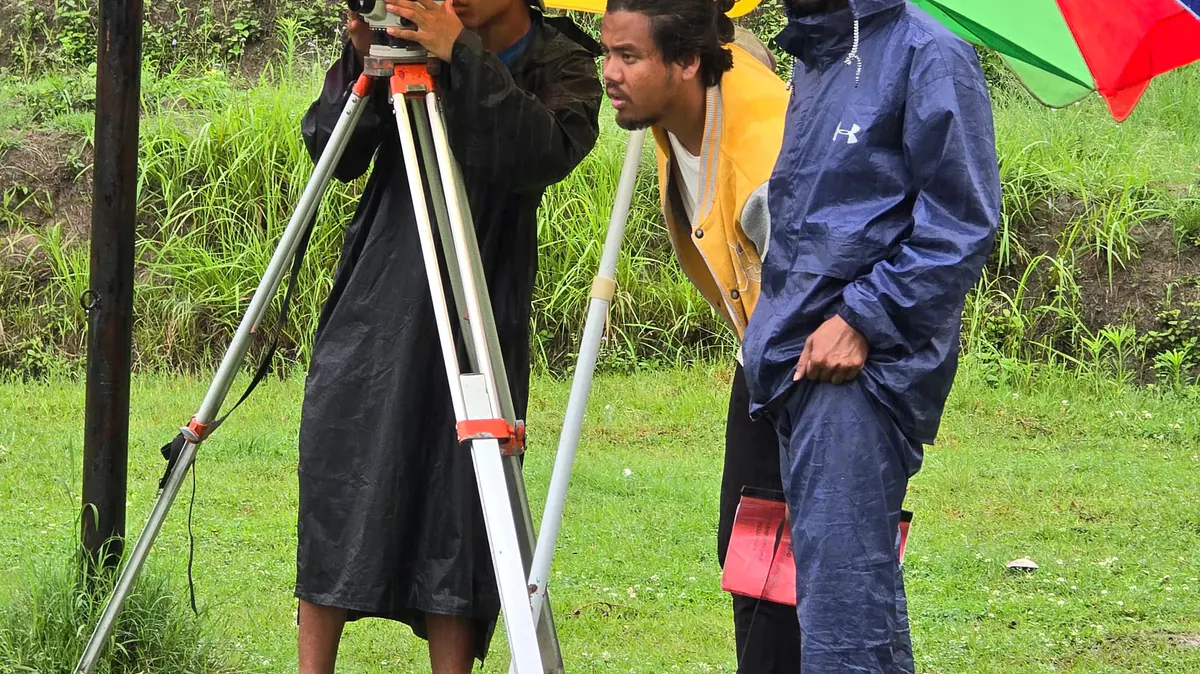
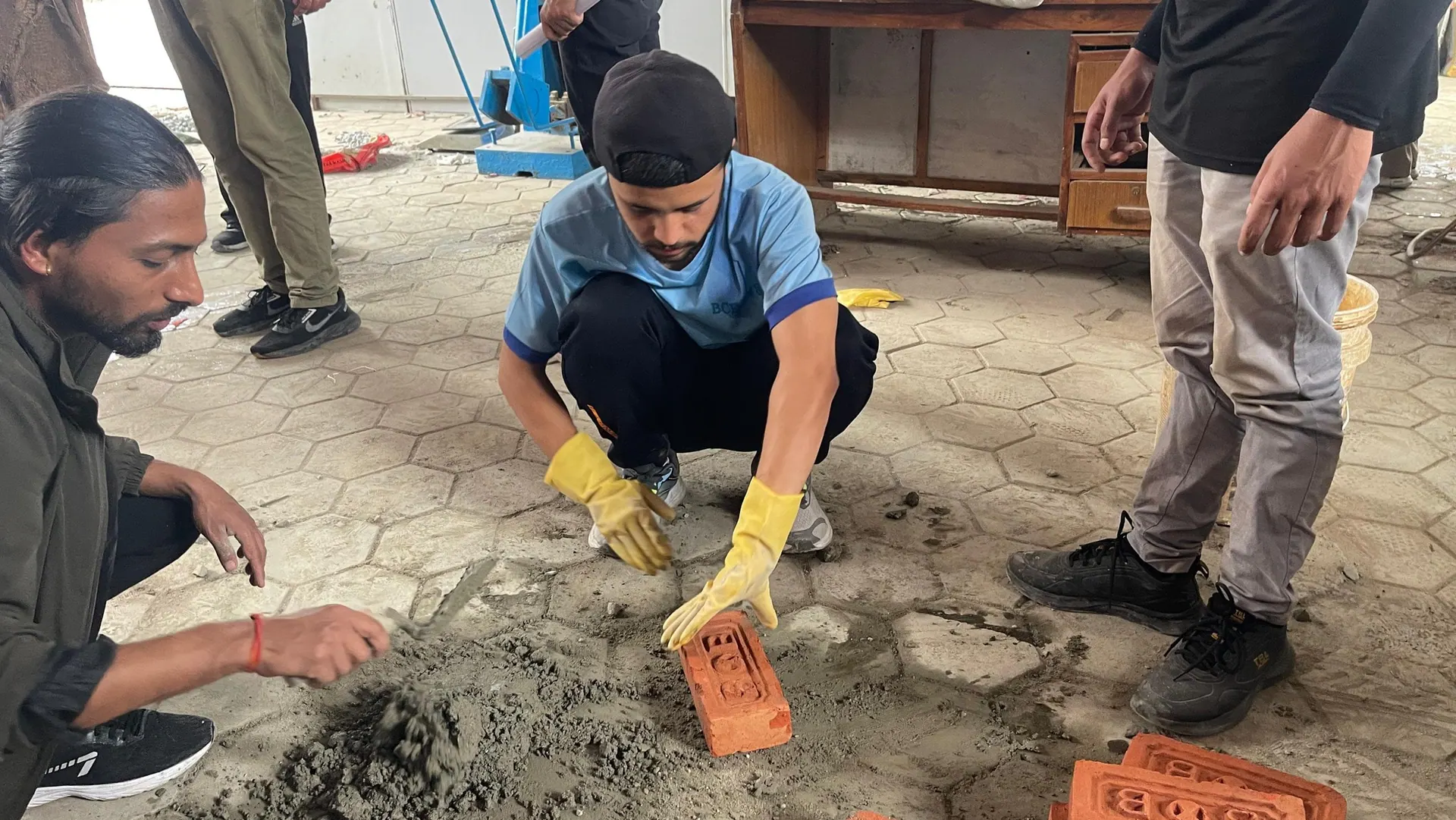
Coursework moves into field and project work: Civil students build survey practice, Computer students develop software and systems projects, and Electronics students work through circuit, embedded, and communication problems.
Industry partners
9 memoranda of understanding, 5 of them signed this year. Internships, site visits and final-year projects come from these desks.
Questions & Answers
Yes. Imperial College of Engineering (formerly Janakpur Engineering College) is affiliated to Tribhuvan University and teaches the Institute of Engineering (IOE) curriculum. B.E. degrees are awarded by TU, as they have been since the college was established in 2058 BS (2001 AD).
Three four-year B.E. programs: Civil Engineering (BCE, 96 seats), Computer Engineering (BCT, 48 seats), and Electronics, Communication & Information Engineering (BEI, 48 seats). 192 seats per intake in total.
+2 or equivalent with Physics, Chemistry, and Mathematics, with a minimum 45% aggregate or grade C in each subject, or a related Diploma in Engineering, plus a valid IOE entrance examination score.
Yes. Every seat is awarded through the merit-based IOE entrance examination under Tribhuvan University. Register at entrance.ioe.edu.np, then apply to ICE with your rank.
Yes, in two parts. The rank-based award is already inside the published fee rather than granted on top of it, so a stronger IOE entrance rank places you in a lower fee band with no separate form to fill in. A further award is assessed individually on your +2 aggregate, so ask us before you treat the band amount as your final number. Check the fee for your rank.
Published in full and set by your IOE entrance rank: Rs 1,30,000 to Rs 8,00,000 for the whole four-year BE programme, with hostel and the daily Koteshwor bus included at no extra charge. A stronger rank places you in a lower band, and the published amount for that band is what you pay. See the whole table by programme and rank band, or check the fee for your rank.
In Tathali, Bhaktapur, on a new purpose-built campus, reachable from Kathmandu, Lalitpur, and Bhaktapur city, with college transport routes serving the valley. View on map.
Sit the IOE entrance examination, then send your rank through the application form or visit the campus. Enrollment follows the published merit lists.
Contact & Location
The campus is an easy drive from Kathmandu and Bhaktapur city, with college transport routes serving the valley. The admissions office is open Sunday-Friday. Call, message, or visit.
Last reviewed by Imperial College of Engineering. Programme, seat and fee details are maintained against the current IOE admission cycle.