

You may enjoy it if
- You enjoy mathematics, physics and practical problem-solving.
- You want work that moves between drawings, laboratories and real sites.
- You care about how buildings, roads and water systems perform over decades.
Bachelor of Civil Engineering · TU / IOE
Learn to survey land, test materials and design safer structures, roads and water systems for Nepal.
In one paragraph
Bachelor of Civil Engineering (BCE) at Imperial College of Engineering is a four-year, eight-semester degree awarded by Tribhuvan University and taught to the Institute of Engineering syllabus. ICE runs it at its Tathali campus in Bhaktapur with 96 seats an intake, the largest of the college’s three programmes. The course moves from surveying, engineering drawing and materials into structural analysis and design, geotechnics, water resources, transportation and construction management, leaving the shared first-year foundation earlier than the other two programmes do. Field work is assessed rather than optional: levelling and instrument practice on campus in the early years, then a residential survey camp in the third. Seats are filled from the merit list of the IOE entrance examination, and +2 marks decide eligibility to sit that exam rather than rank in it. The fee band a student pays follows their entrance rank, and recognition by the Nepal Engineering Council follows the programme rather than the college.
Start with fit
A broad engineering degree for students who want to combine analytical design with field observation, materials, construction and public infrastructure.
You may enjoy it if
Know this before choosing
Civil engineering is not only architecture or site supervision. Expect structural analysis, fluids, soils, surveying, technical reporting and sustained mathematical work.
What you will learn
Civil Engineering moves from understanding a place, to testing what will carry the load, to designing systems that can be built and maintained.
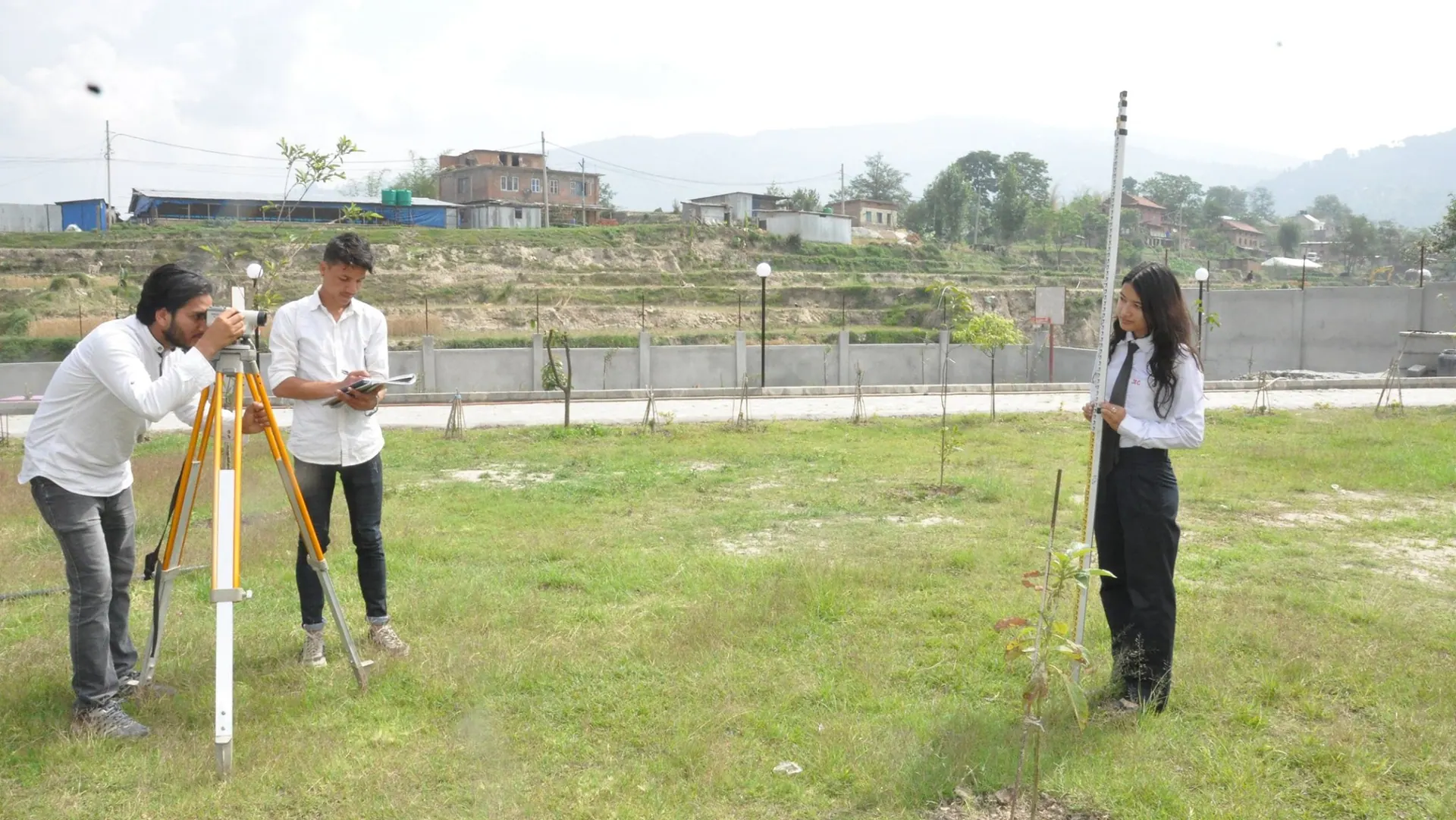
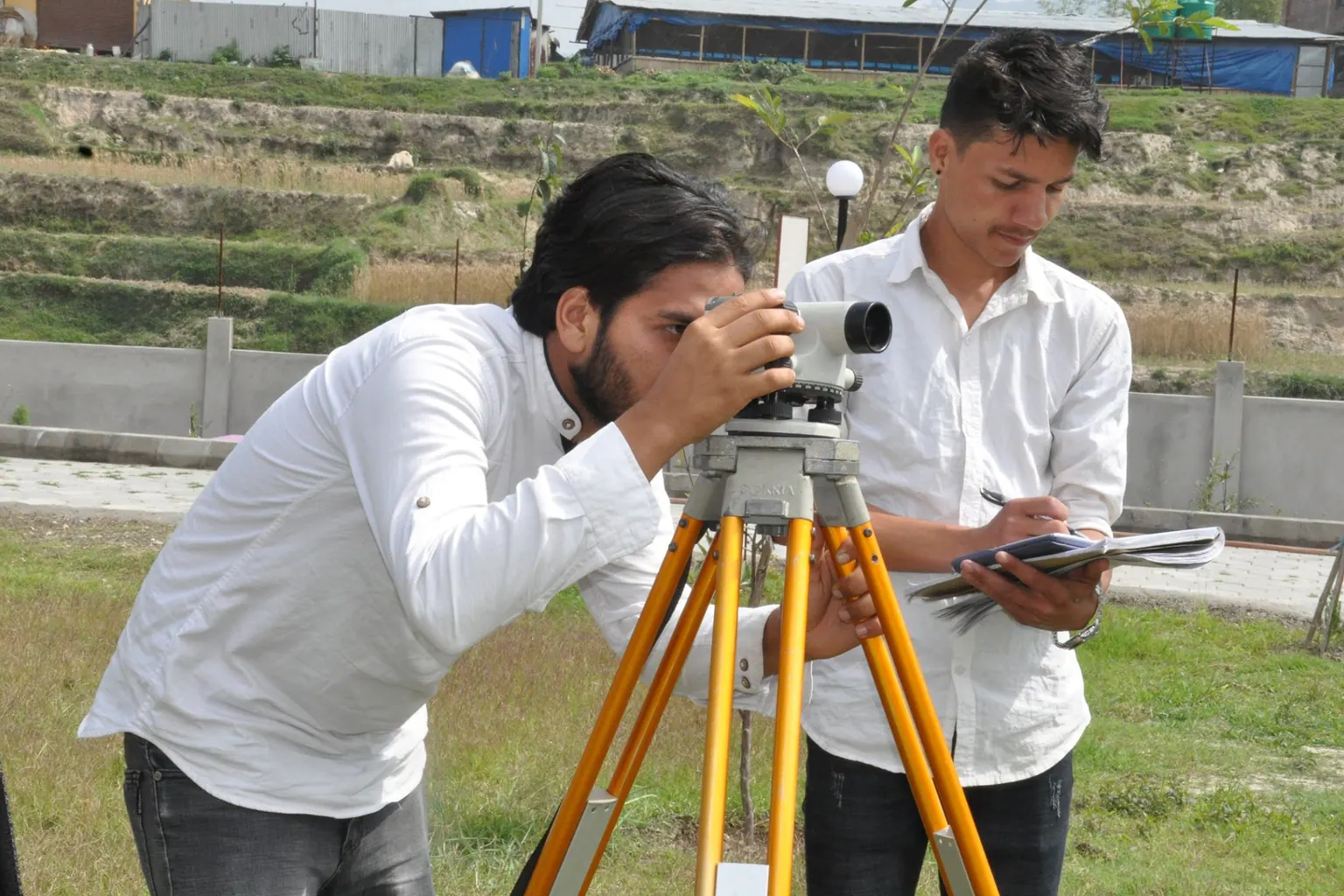
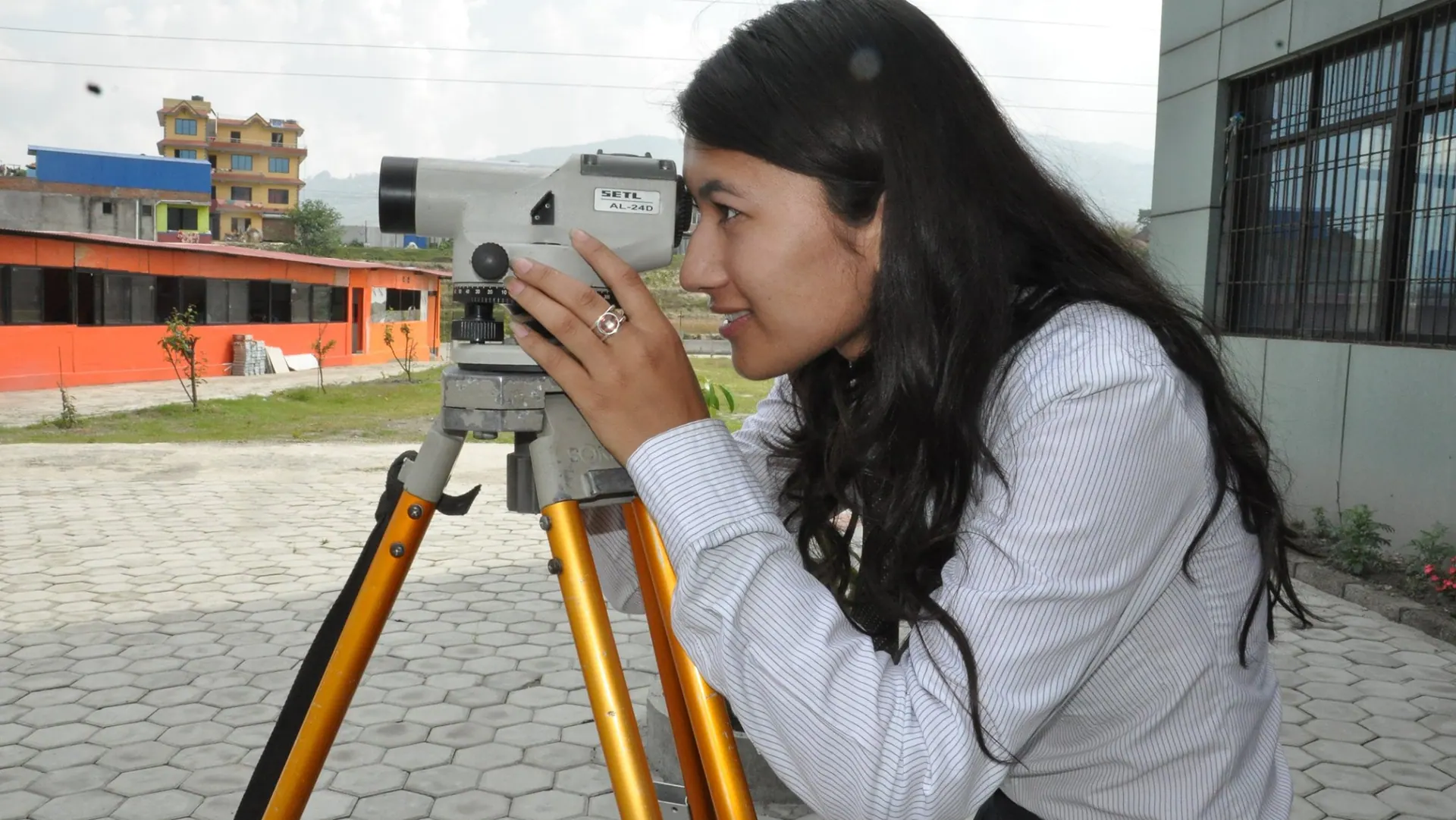
Learn to read levels, coordinates and terrain before a design reaches the ground.
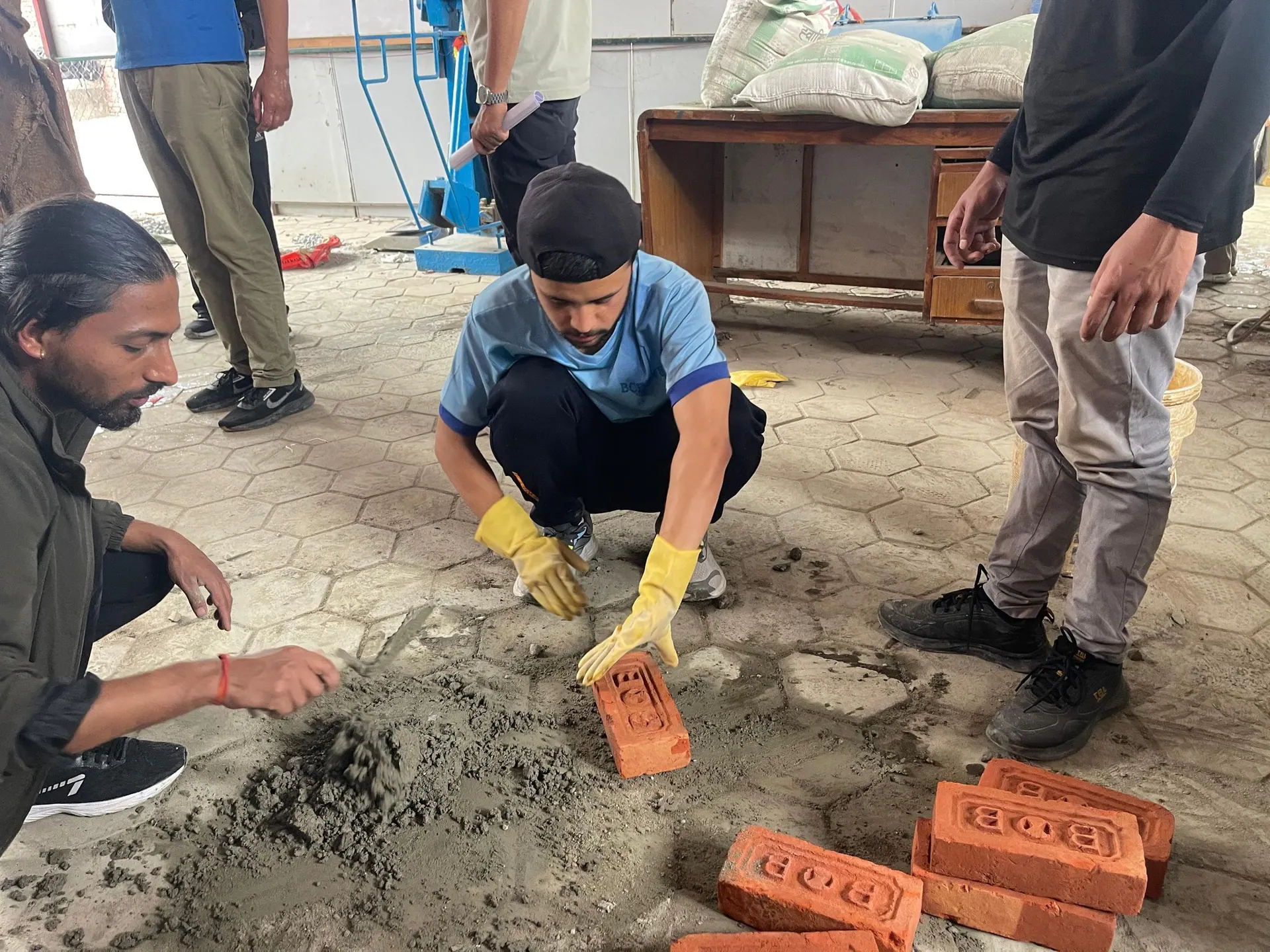
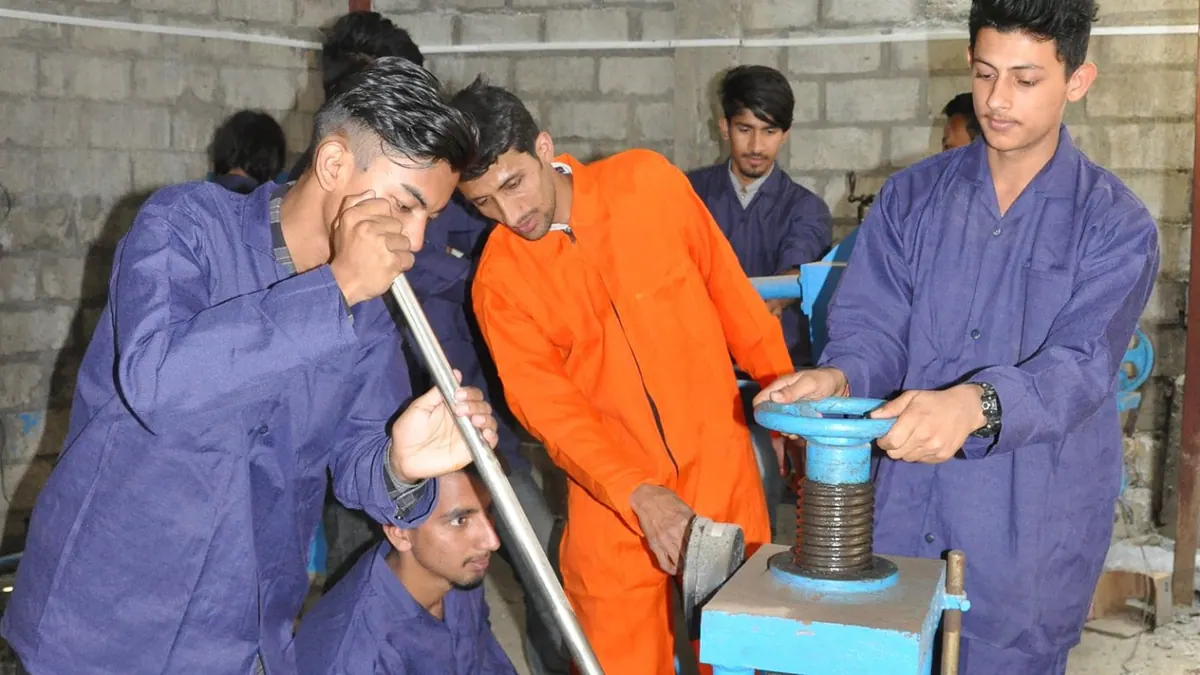
See how concrete, steel and soil behave, then use evidence to make safer choices.
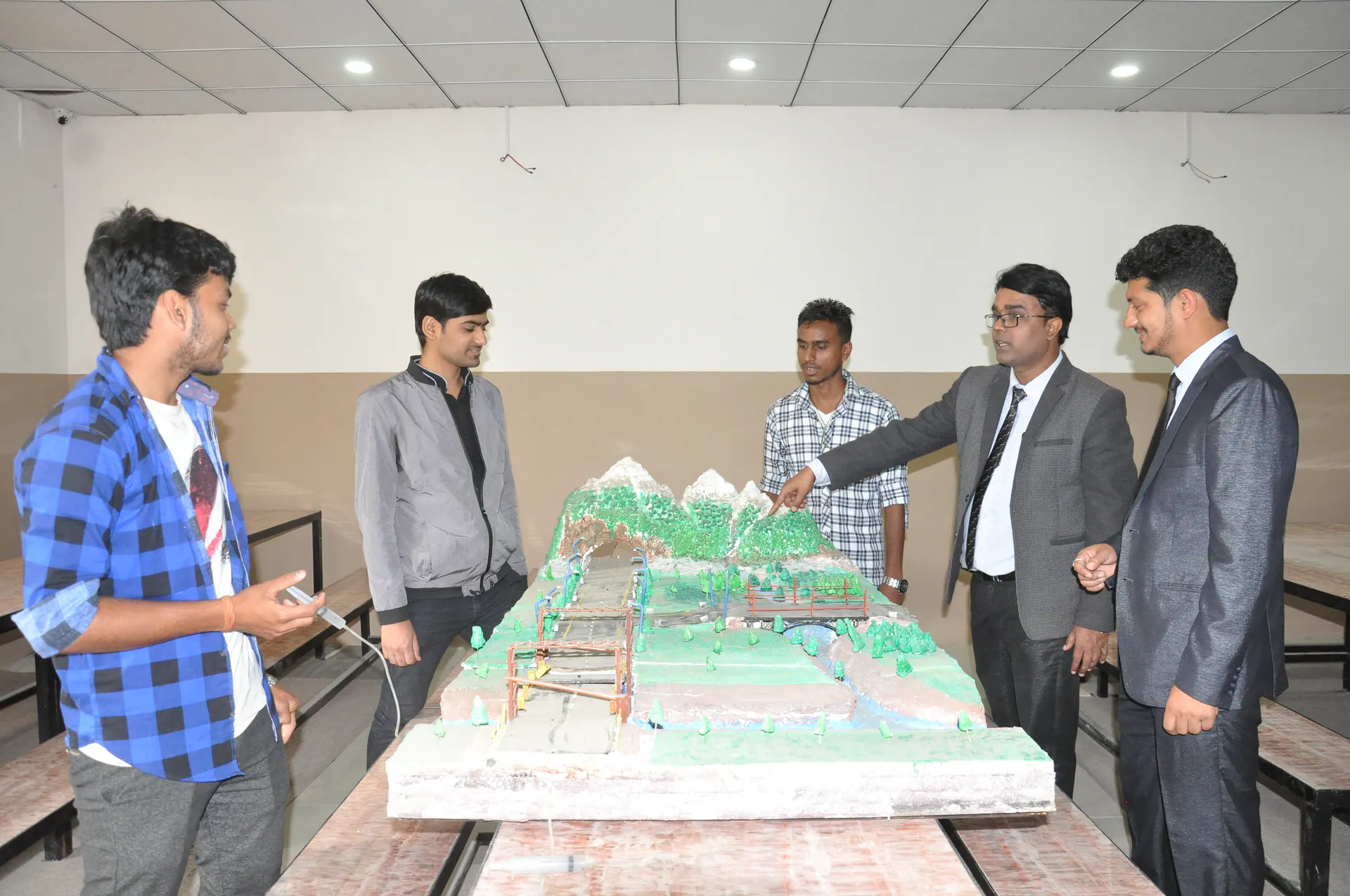
Bring analysis, construction, transport and water systems into buildable solutions.
The four-year journey
Open a year for its representative subjects. The official TU/IOE syllabus remains the authority.
Build the mathematical, scientific, computing and drawing language used across engineering.
Engineering Mathematics I · Computer Programming · Engineering Drawing I · Engineering Physics
Engineering Mathematics II · Engineering Chemistry · Engineering Drawing II · Applied Mechanics (Dynamics)
Connect mechanics and mathematics to the behaviour of sites, structures and flowing water.
Engineering Mathematics III · Strength of Materials · Fluid Mechanics · Surveying I
Numerical Methods · Theory of Structures I · Hydraulics · Surveying II
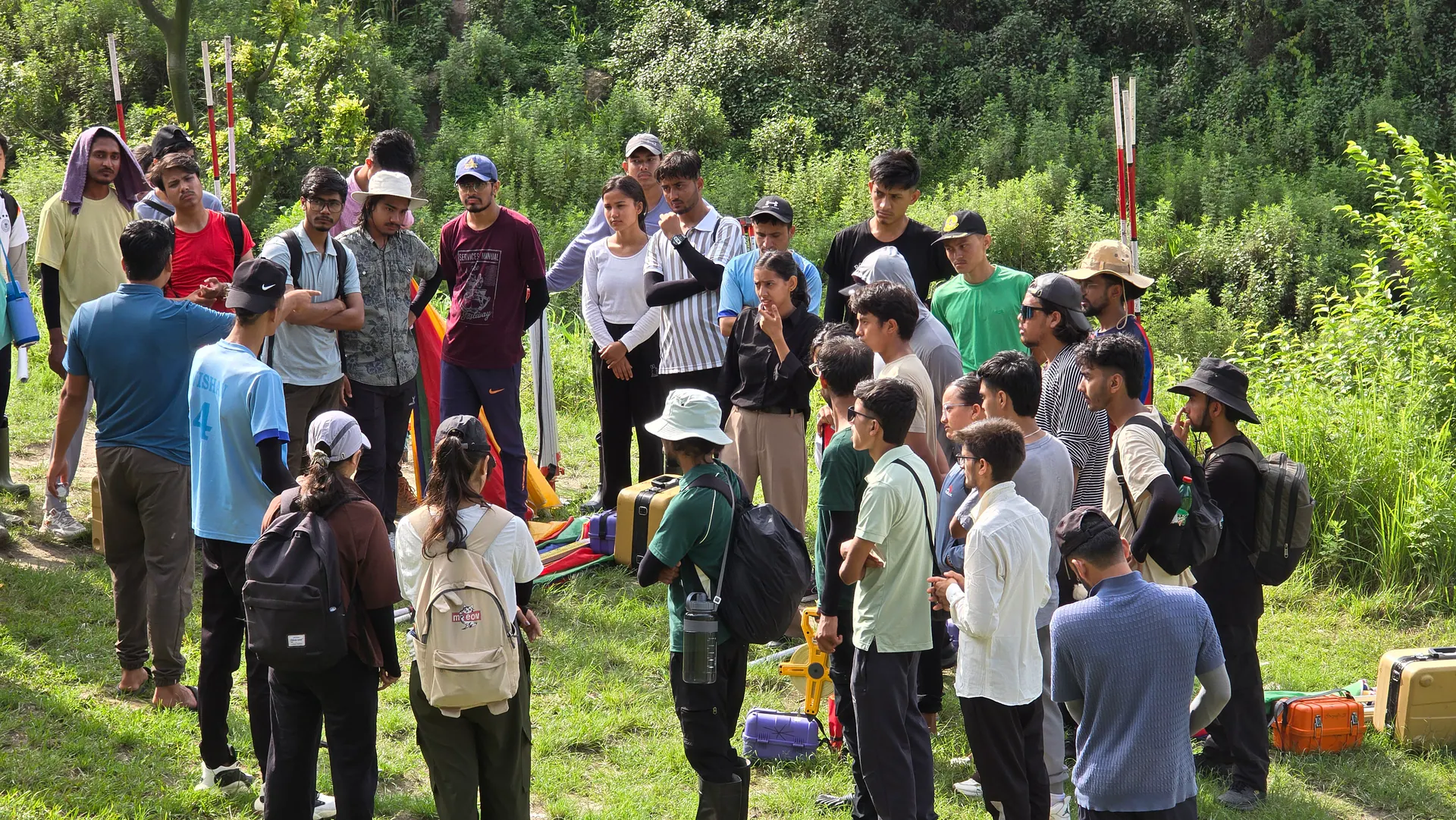
Study water, transport, foundations and structural systems while applying surveying in the field.
Theory of Structures II · Water Supply Engineering · Transportation Engineering I · Engineering Hydrology
Design of Steel & Timber Structures · Foundation Engineering · Sanitary Engineering · Transportation Engineering II
Integrate design, economics, management and professional practice in a substantial project.
Design of RCC Structures · Hydropower Engineering · Estimating & Costing · Project Engineering
Construction Project Management · Engineering Professional Practice · Elective II · Major Project
Practical learning
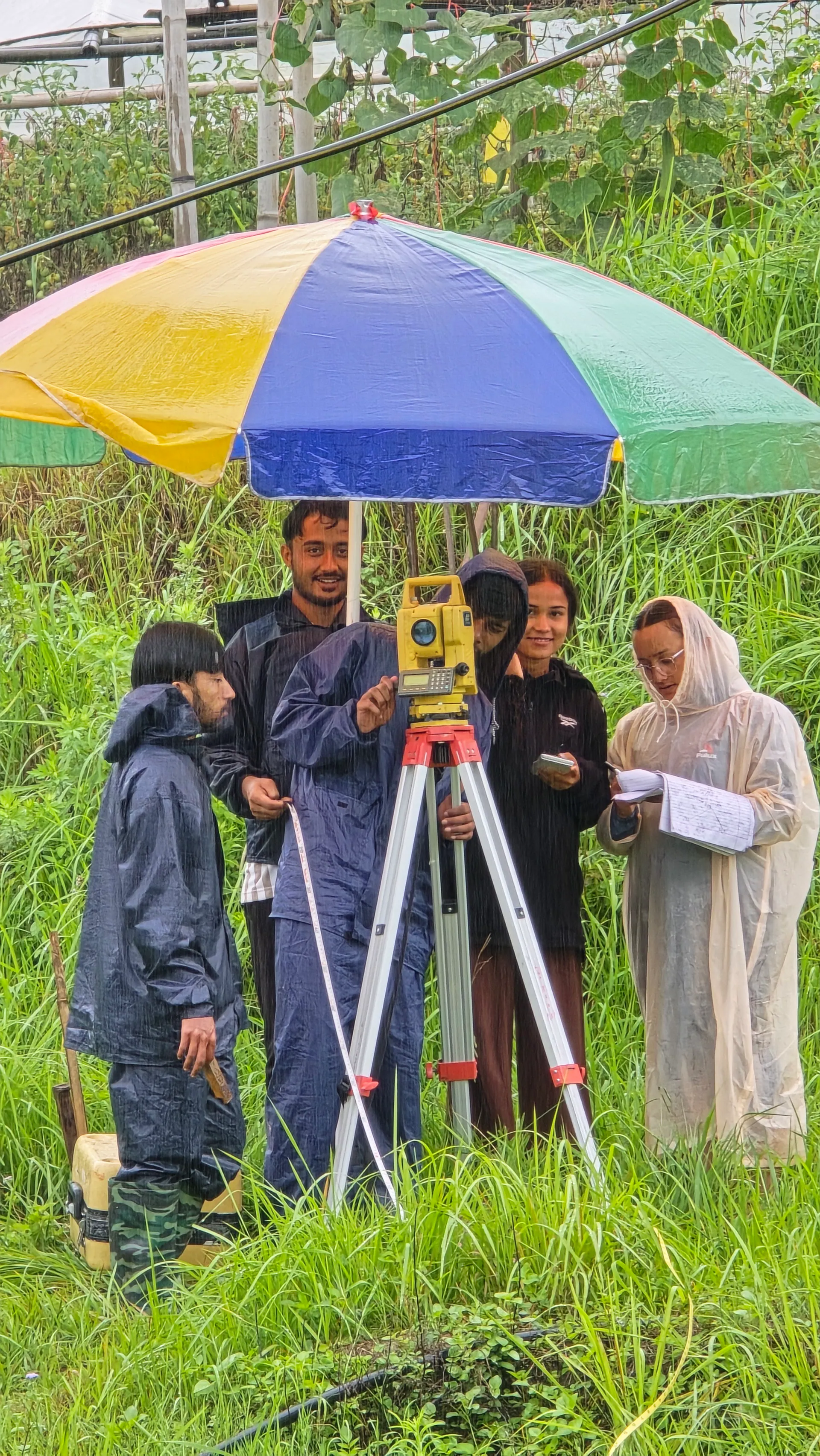
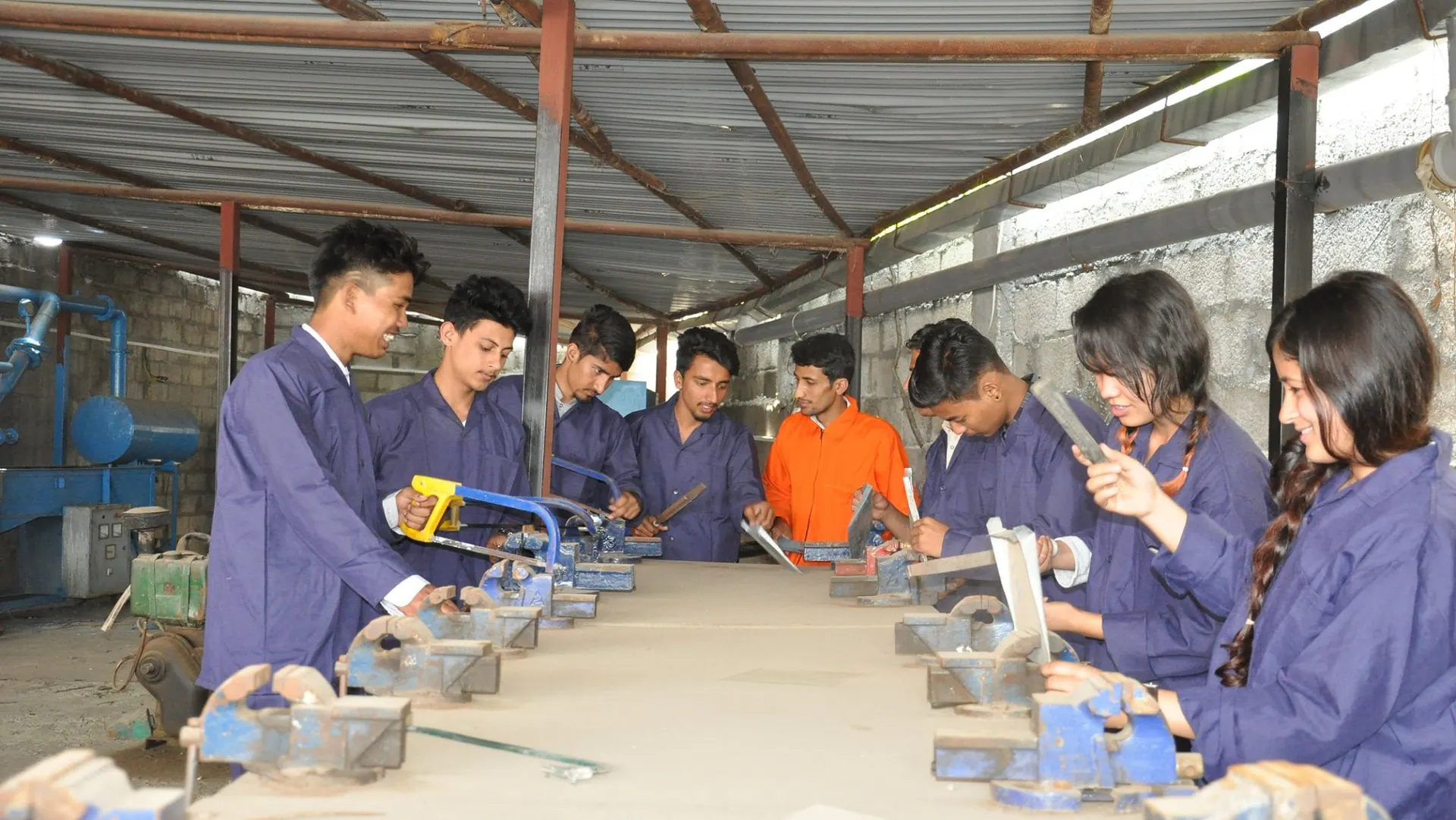
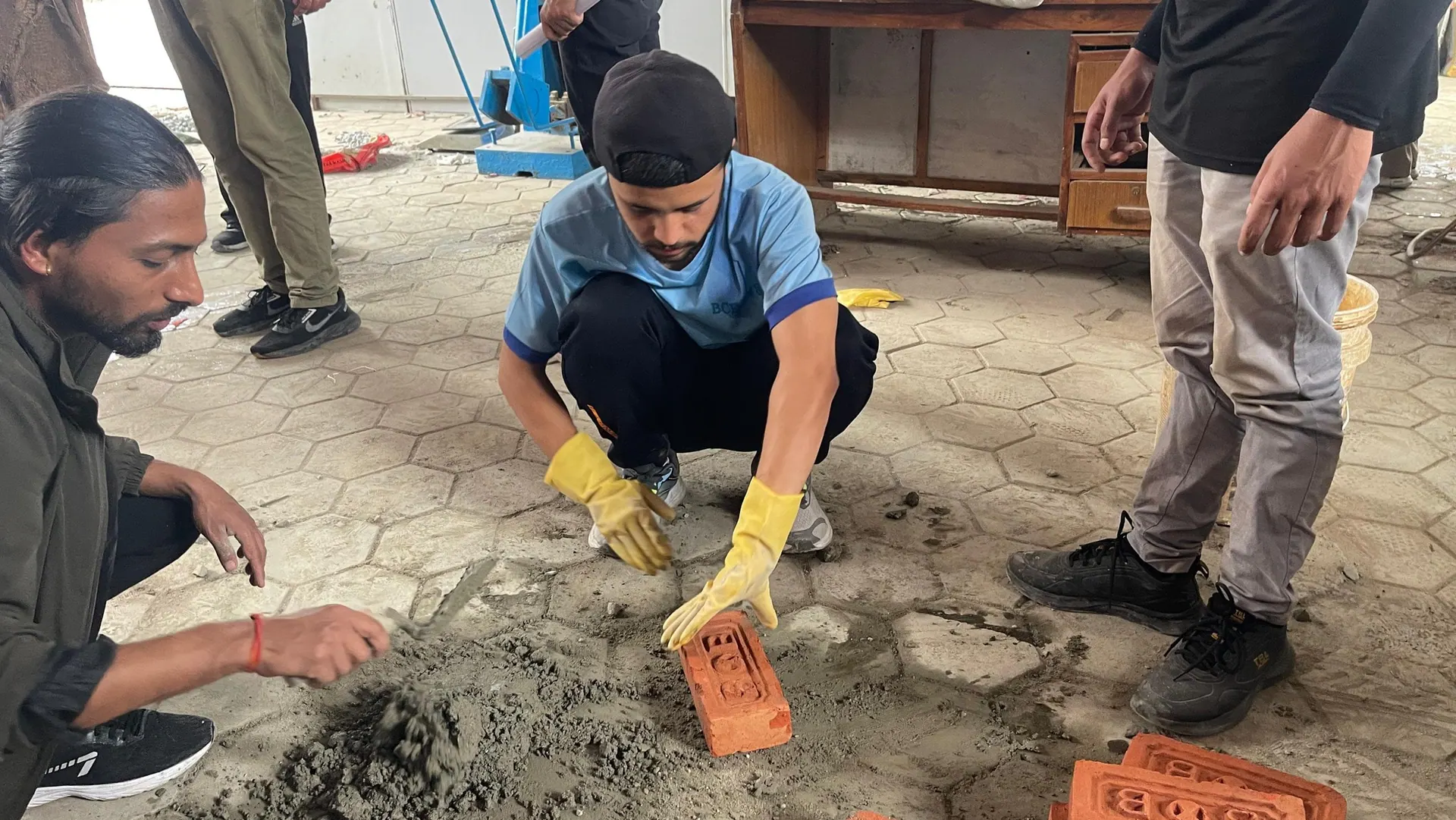
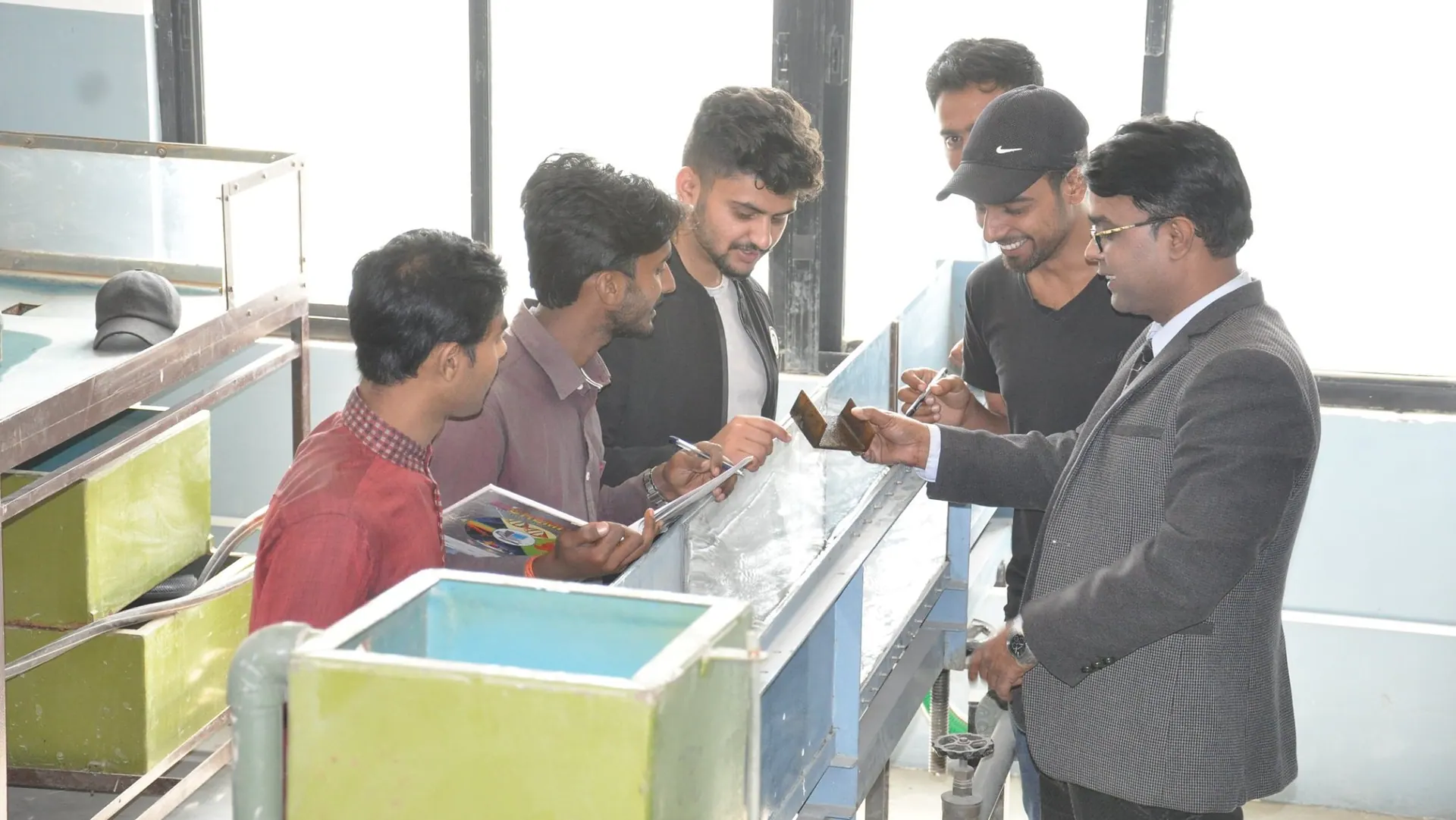
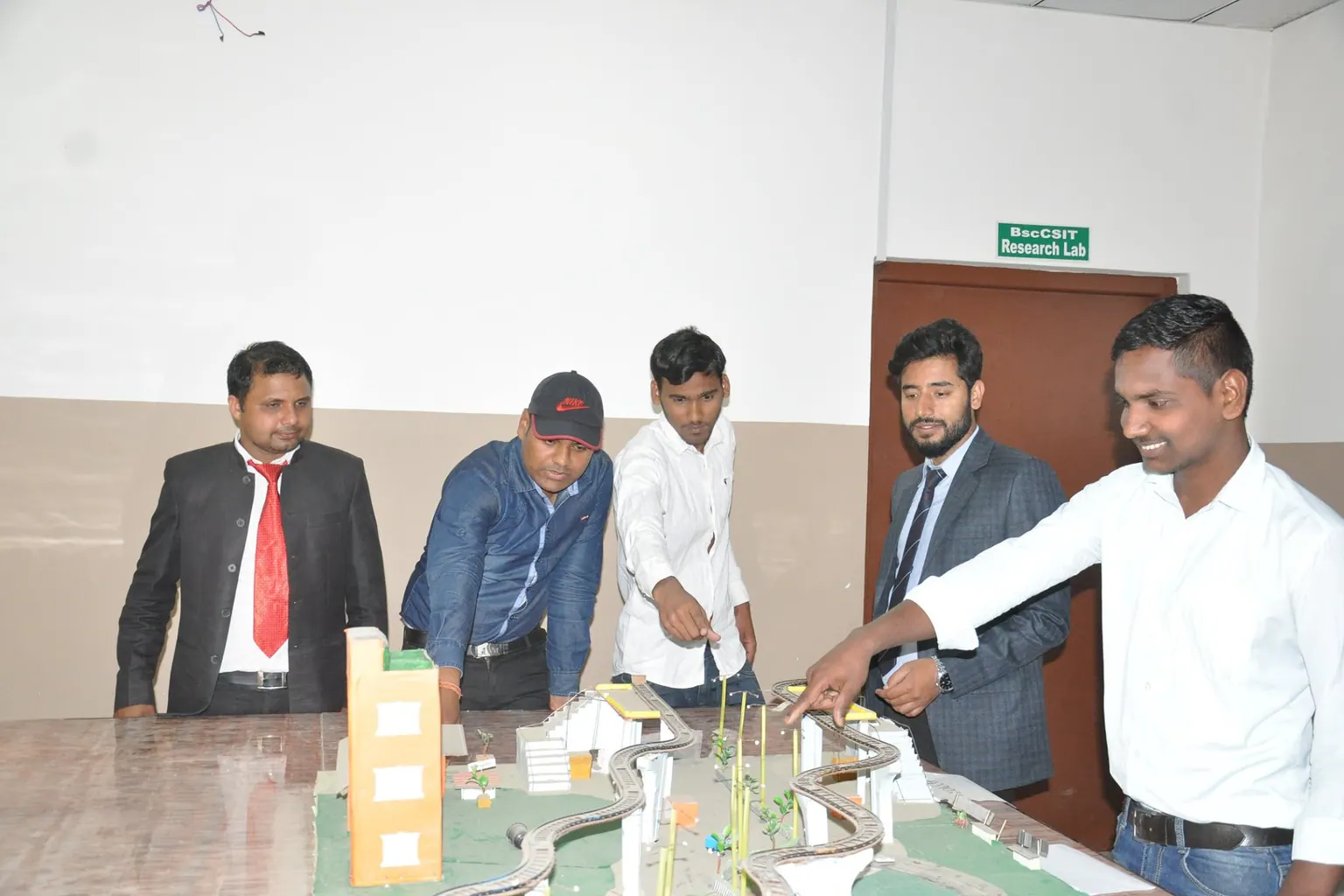
Fieldwork and laboratories are where a neat calculation meets weather, equipment, material variation and teamwork.
Where it can lead
A civil degree can lead toward design, construction, water, transport, hydropower, public infrastructure or further specialisation. The first job title matters less than the evidence you build: sound fundamentals, field judgement and clear project work.
Admissions
Confirm your eligibility, current fee sheet and scholarship conditions in writing for the 2083/84 intake.
Questions students ask
No. The degree begins with engineering foundations and introduces the tools progressively. Curiosity, mathematical readiness and willingness to practise are more important than prior software or instrument experience.
It is an indicative year-by-year guide based on the current IOE structure. Tribhuvan University and the Institute of Engineering remain the authority for the official syllabus, subject codes and any revisions.
Request the dated fee sheet from the admissions team. They will explain the current intake, payment schedule, scholarship conditions and any university charges before you make a decision.
Yes. Ask admissions to arrange a campus visit so you can see relevant learning spaces, discuss eligibility and bring a parent or guardian if you prefer.
The merit award is built into the published fee rather than granted on top of it: a stronger IOE entrance rank places you in a lower fee band, and the amount published for that band is what you pay. The full structure is on the fees page, and you can check your own rank against it there.
Bachelor of Civil Engineering
Last reviewed by Imperial College of Engineering. Course content follows the IOE syllabus; seats and fees follow the current admission cycle.