
You may enjoy it if
- You enjoy logic, mathematics and building systems step by step.
- You can stay patient when the first solution does not work.
- You want to understand both software behaviour and the hardware beneath it.
Bachelor of Computer Engineering · TU / IOE
Learn to connect software, digital hardware, networks and intelligent systems into technology that works beyond the demo.
In one paragraph
Bachelor of Computer Engineering (BCT) at Imperial College of Engineering is a four-year, eight-semester degree awarded by Tribhuvan University and taught to the Institute of Engineering syllabus. ICE runs it at its Tathali campus in Bhaktapur with 48 seats an intake. The course moves from programming and digital logic into operating systems, databases, computer networks and applied artificial intelligence, finishing with a year-long engineering project, and it does not treat hardware and software as separate worlds. It starts from the same electronics foundation as BEI and then turns toward computing. Lab and project work runs through the semesters rather than sitting at the end. Seats are filled from the merit list of the IOE entrance examination, and +2 marks decide eligibility to sit that exam rather than rank in it. The fee band a student pays follows their entrance rank, and recognition by the Nepal Engineering Council follows the programme rather than the college.
Start with fit
An engineering degree for students who want to understand computing from digital hardware and architecture through software, networks, data and intelligent systems.
You may enjoy it if
Know this before choosing
Computer engineering is broader than learning to code. Expect circuits, electronics, mathematics, architecture, signals, networks, technical documentation and substantial team projects.
What you will learn
Computer Engineering connects three layers: the code people use, the hardware that executes it, and the networks and data that make a system useful.
Turn logic into software you can test, explain and improve when the first solution fails.
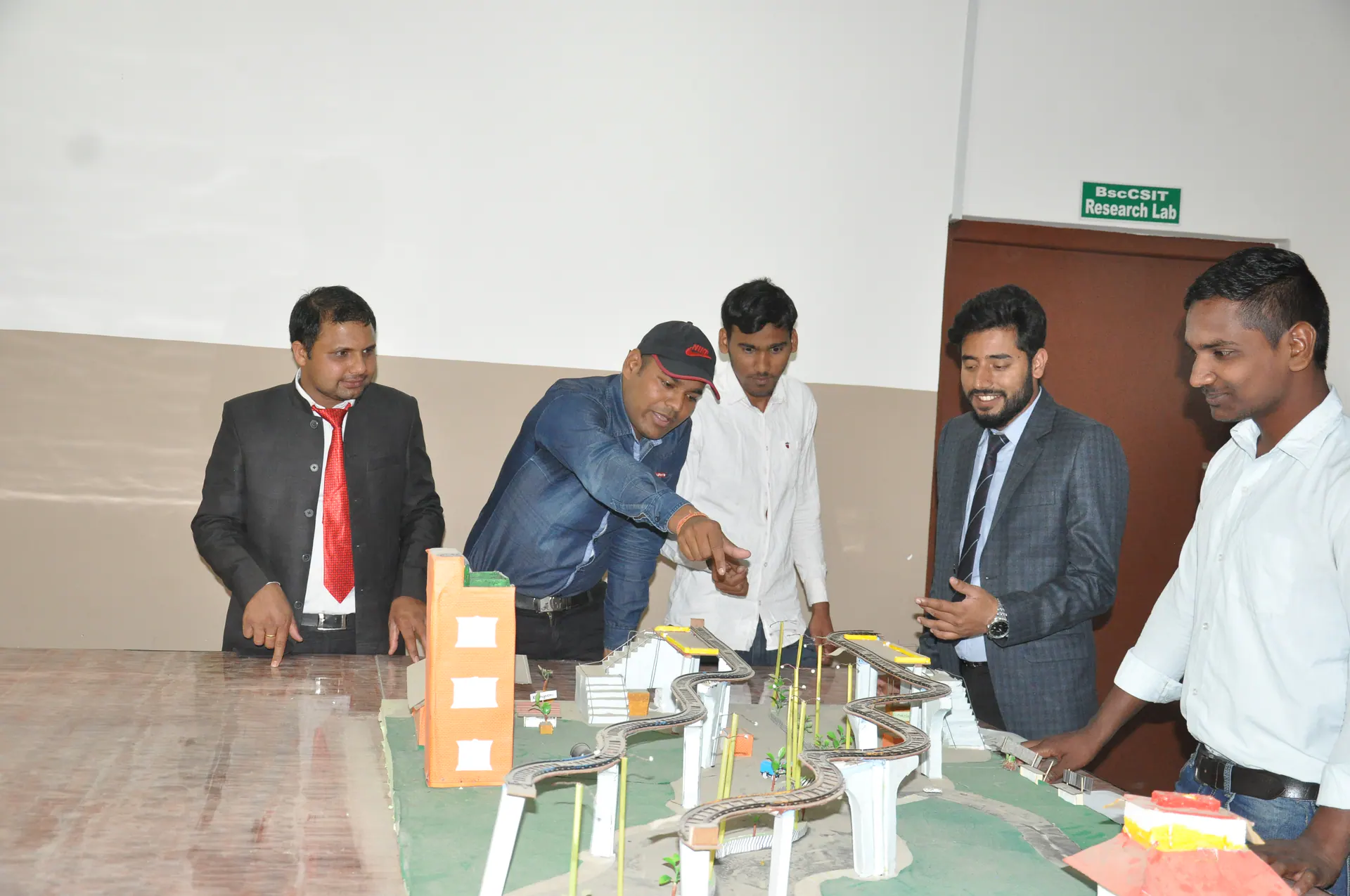
Follow instructions below the interface through logic, processors, circuits and instruments.
Bring operating systems, databases, networks and AI together in complete engineering projects.
The four-year journey
Open a year for representative subjects. The official TU/IOE syllabus remains the authority.
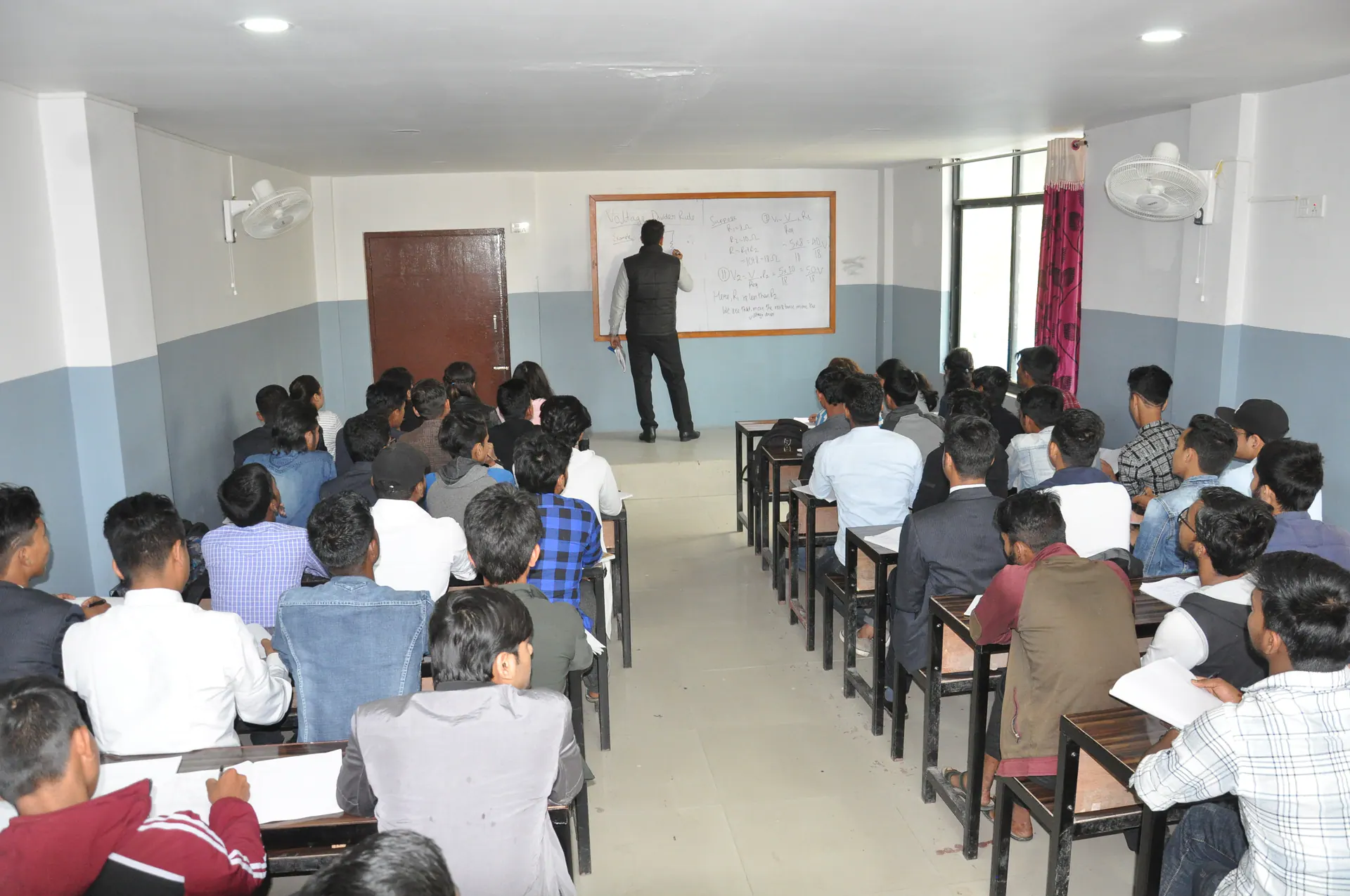
Learn the mathematics, science, drawing, programming and electronics shared by the discipline.
Engineering Mathematics I · Computer Programming · Basic Electrical Engineering · Engineering Physics
Engineering Mathematics II · Engineering Chemistry · Object-Oriented Programming · Basic Electronics Engineering
Study how information is represented, processed and controlled across software and hardware.
Engineering Mathematics III · Data Structures & Algorithms · Digital Logic · Electric Circuit Theory
Applied Mathematics · Numerical Methods · Discrete Structures · Microprocessor
Bring architecture, communication, operating systems, databases and software practice together.
Probability & Statistics · Computer Organization & Architecture · Data Communication · Software Engineering
Object-Oriented Analysis & Design · Artificial Intelligence · Operating Systems · Database Management Systems
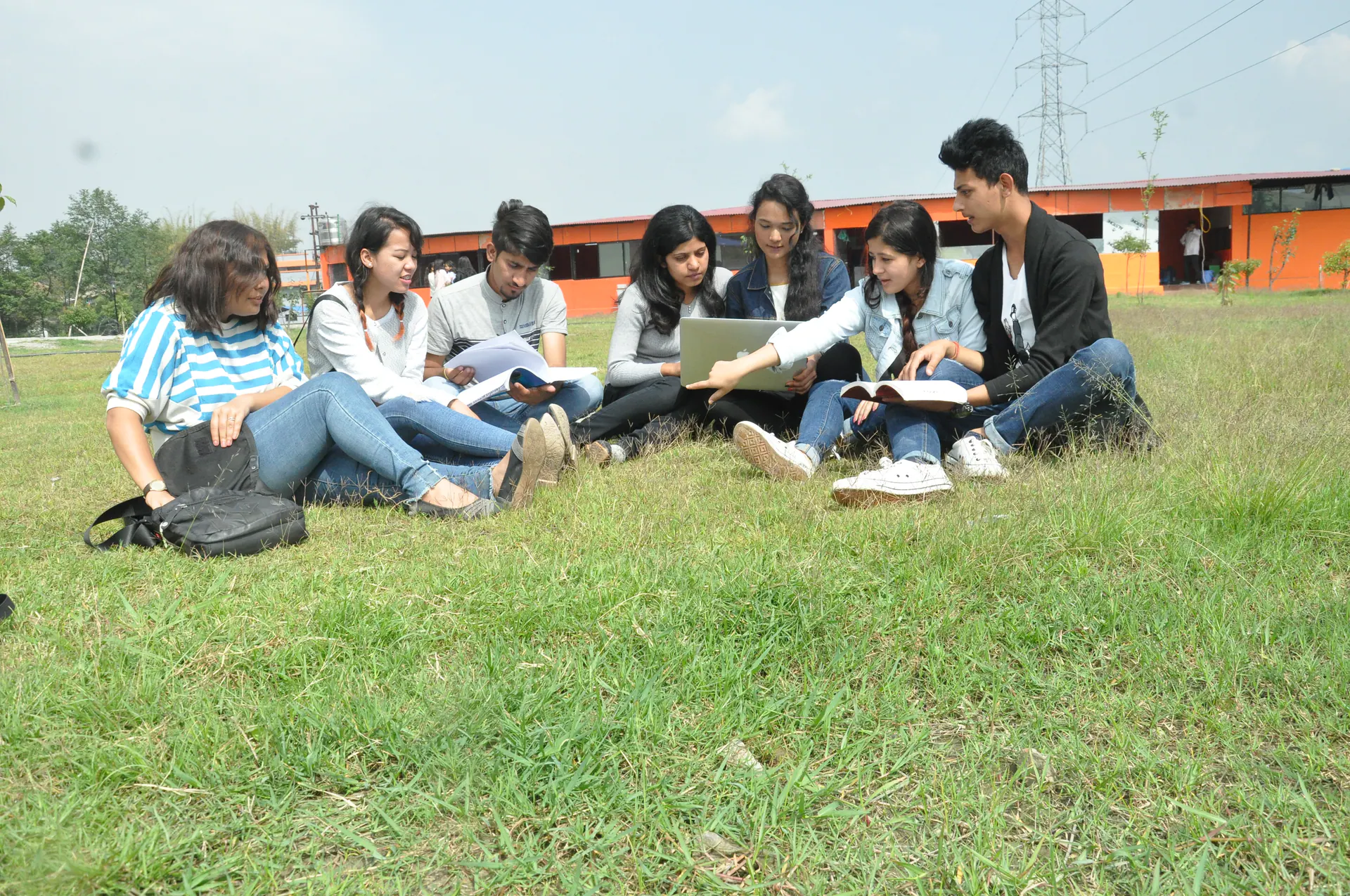
Work across connected systems, graphics, security and professional project delivery.
Computer Networks & Security · Distributed Systems · Digital Signal Analysis & Processing · Computer Graphics
Information Systems · Simulation & Modeling · Internet & Intranet · Engineering Professional Practice
Practical learning
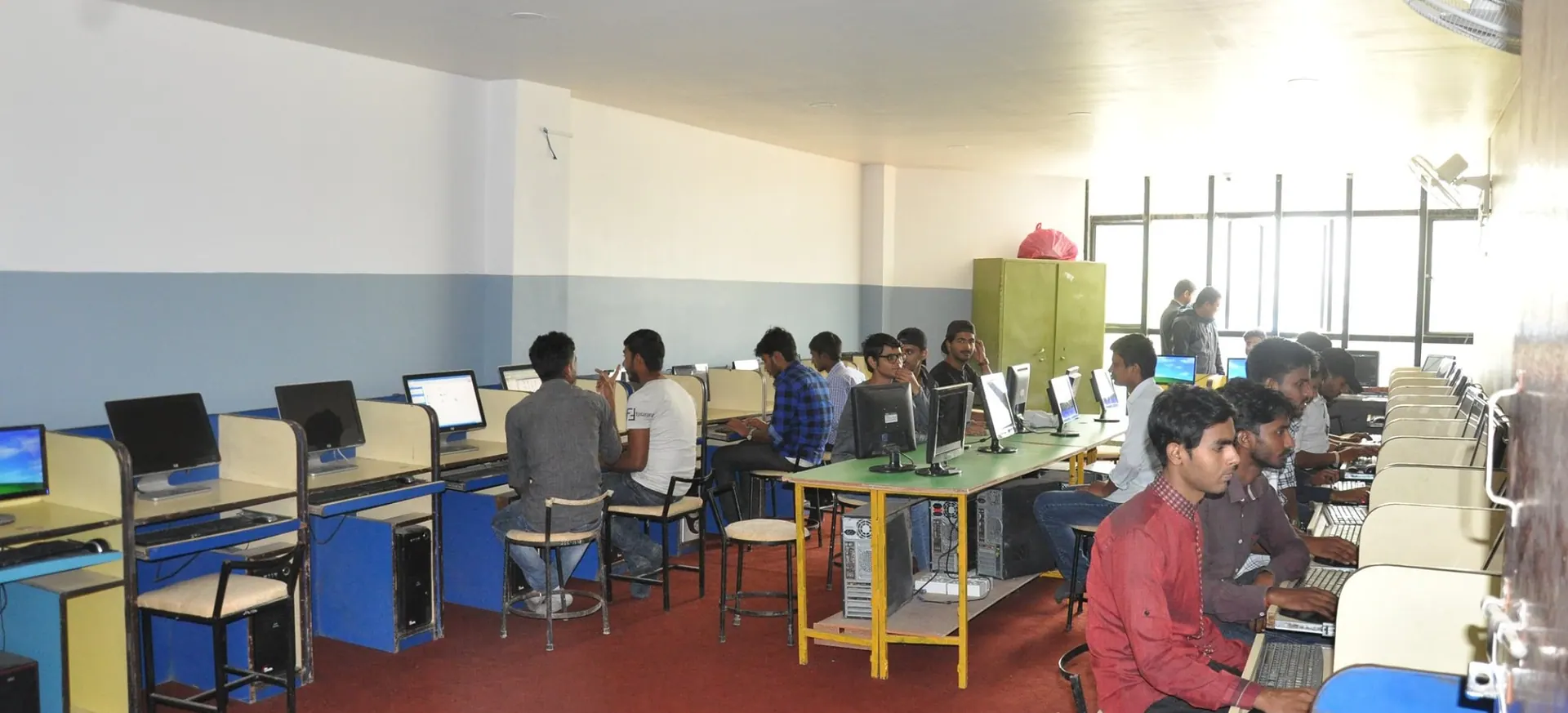
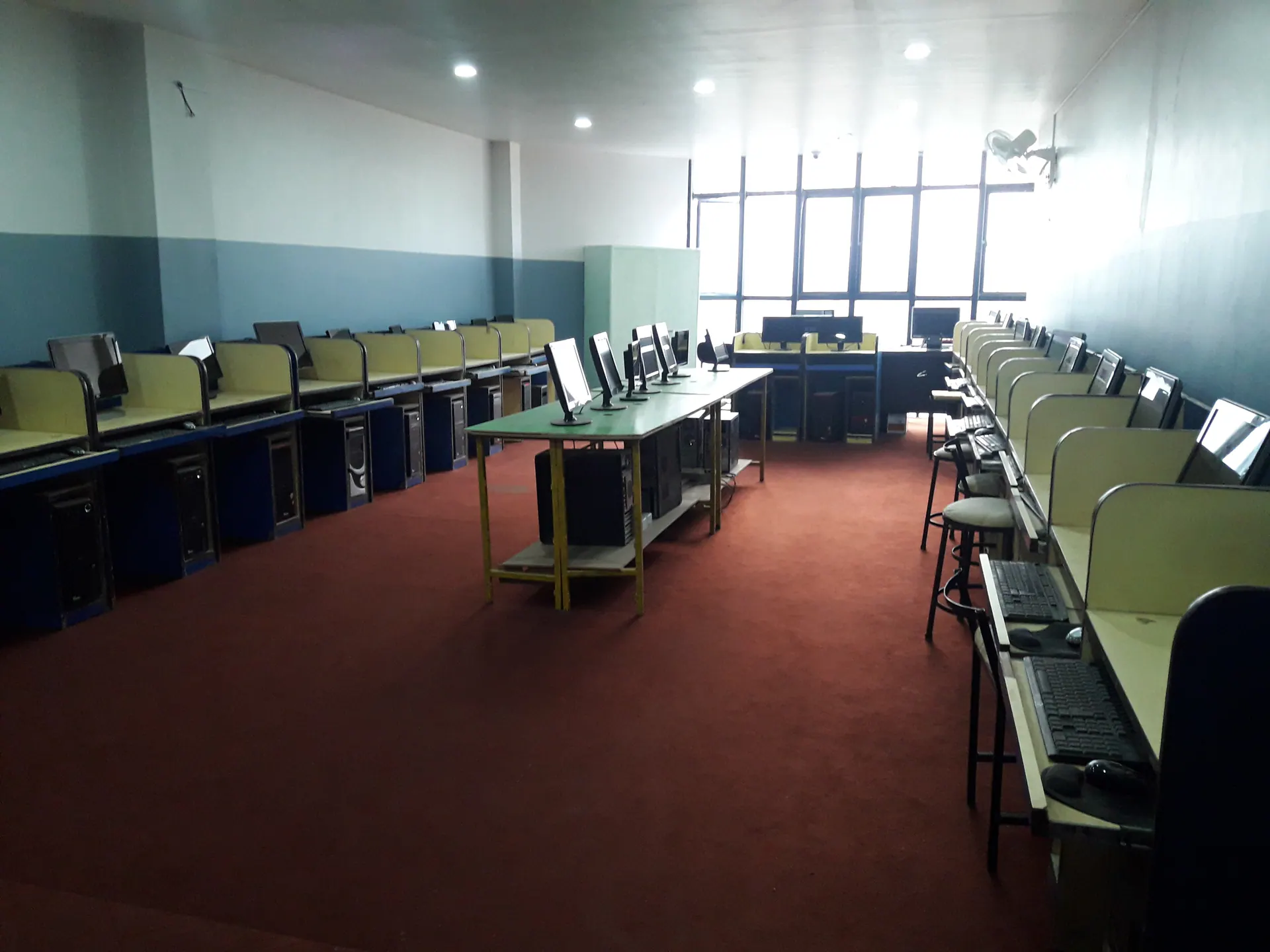
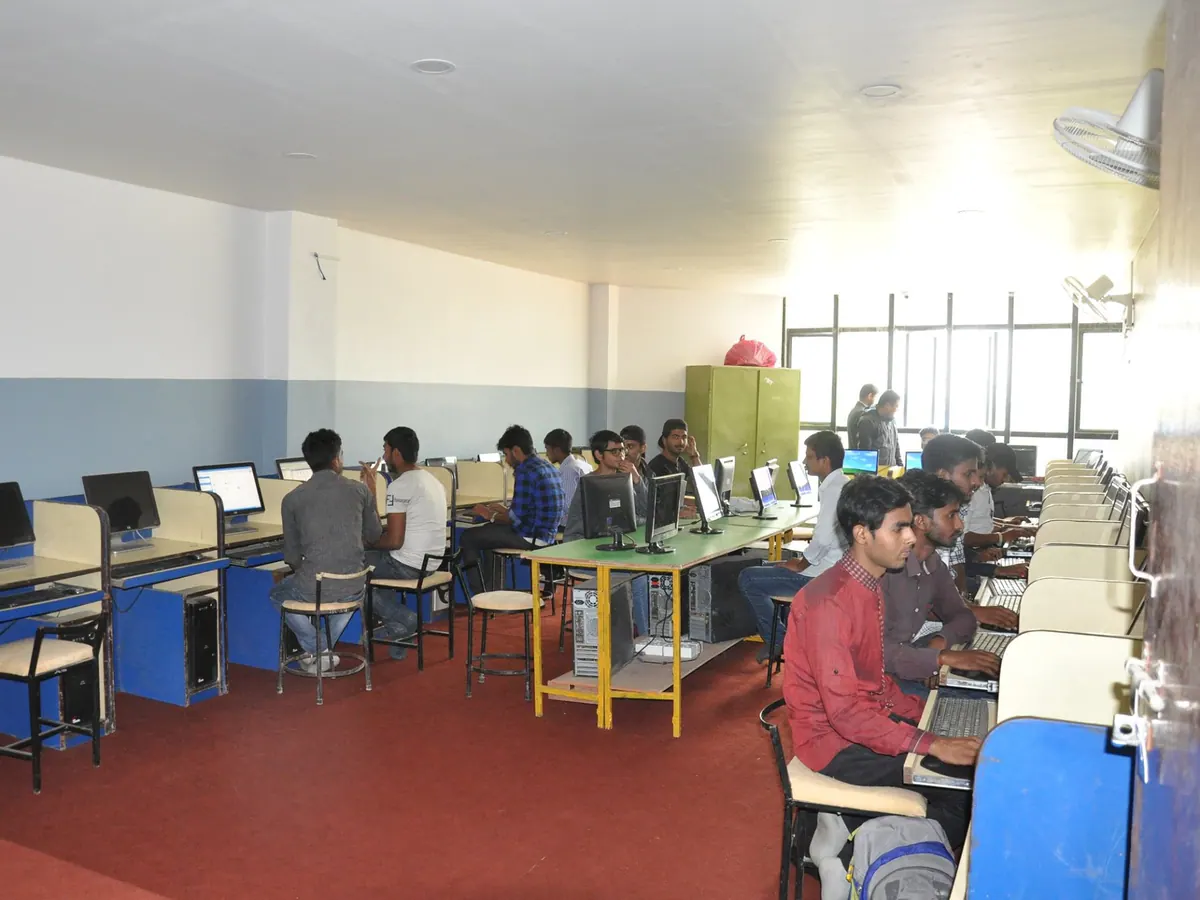
Laboratories and projects turn code, circuits and architecture into systems that must survive testing, integration and review.


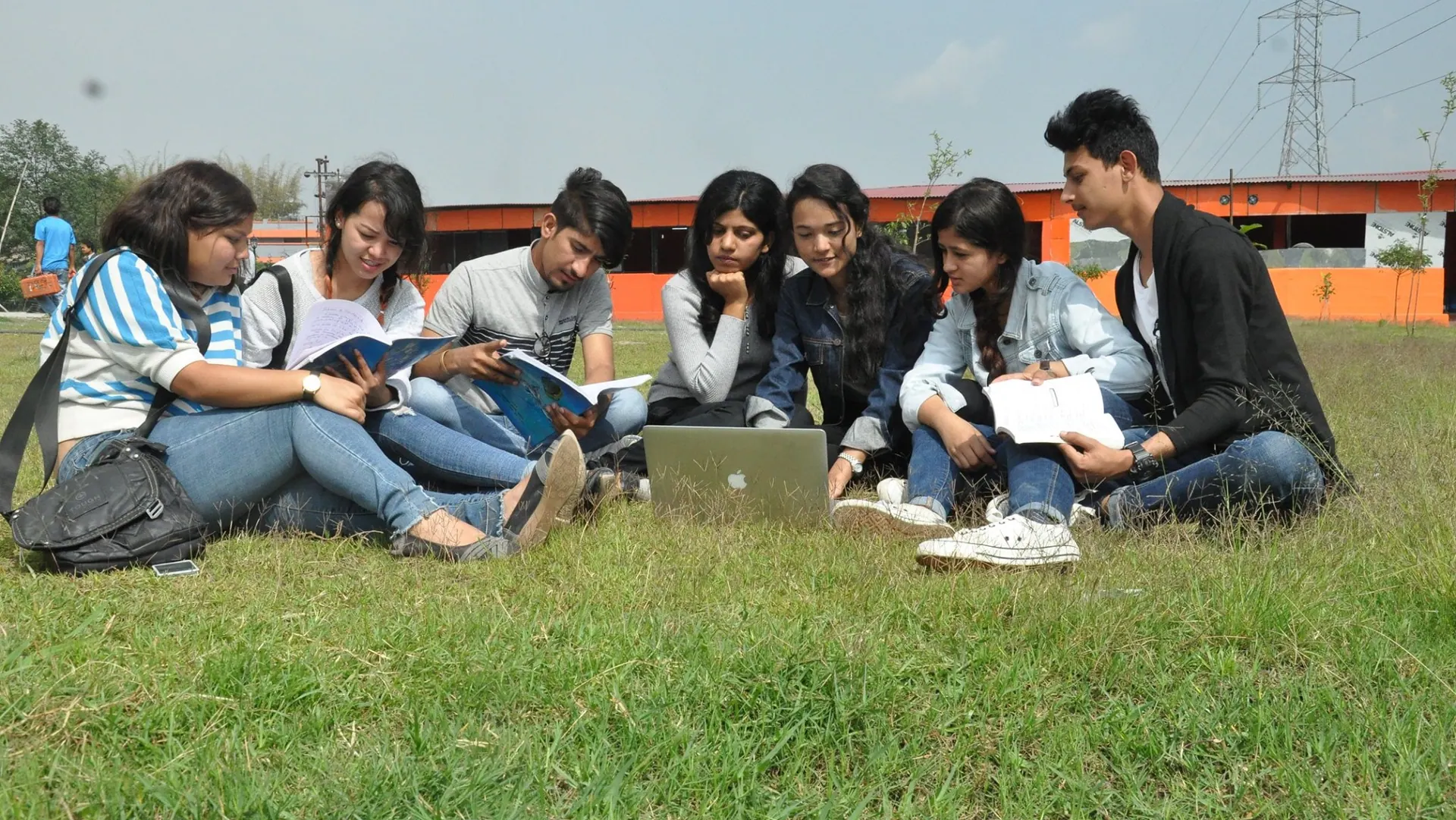
Where it can lead
Computer engineers can move toward software, infrastructure, data, security, embedded work or graduate study. Employers will look beyond the degree title to projects, fundamentals, communication and evidence that you can learn unfamiliar systems.
Admissions
Confirm your eligibility, current fee sheet and scholarship conditions in writing for the 2083/84 intake.
Questions students ask
No. Programming is introduced as part of the degree. Prior practice can help, but mathematical readiness, curiosity and willingness to debug patiently are stronger predictors of a good start.
It is an indicative year-by-year guide based on the current IOE structure. Tribhuvan University and the Institute of Engineering remain the authority for the official syllabus, subject codes and any revisions.
Request the dated fee sheet from the admissions team. They will explain the current intake, payment schedule, scholarship conditions and any university charges before you make a decision.
Yes. Ask admissions to arrange a campus visit so you can see relevant learning spaces, discuss eligibility and bring a parent or guardian if you prefer.
The merit award is built into the published fee rather than granted on top of it: a stronger IOE entrance rank places you in a lower fee band, and the amount published for that band is what you pay. The full structure is on the fees page, and you can check your own rank against it there.
Bachelor of Computer Engineering
Last reviewed by Imperial College of Engineering. Course content follows the IOE syllabus; seats and fees follow the current admission cycle.