

You may enjoy it if
- You want to know how physical signals become useful information.
- You enjoy careful measurement, mathematical modelling and hands-on debugging.
- You are interested in communication, embedded devices, networks or IoT systems.
B.E. Electronics, Communication & Information · TU / IOE
Learn to measure circuits, build embedded devices and move information reliably through wireless and networked systems.
In one paragraph
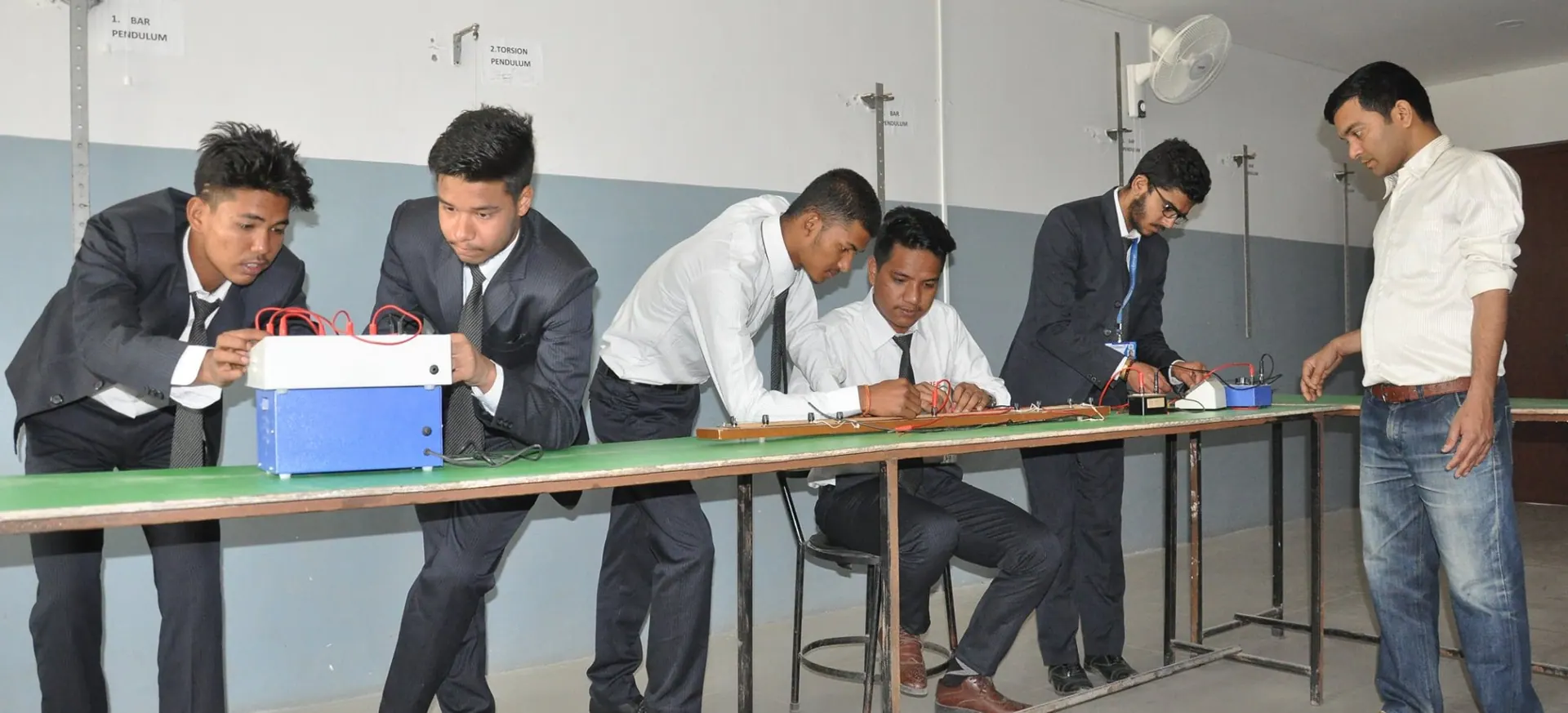
Bachelor of Electronics, Communication and Information Engineering (BEI) at Imperial College of Engineering is a four-year, eight-semester degree awarded by Tribhuvan University and taught to the Institute of Engineering syllabus. ICE runs it at its Tathali campus in Bhaktapur with 48 seats an intake. The course follows an idea from circuit behaviour and measurement through embedded systems, digital signals, wireless communication and networked information, and it is the hardware side of the foundation that BCT starts from before turning toward computing. Measurement is central: students work on instrumentation and real signals rather than simulation alone. Seats are filled from the merit list of the IOE entrance examination, and +2 marks decide eligibility to sit that exam rather than rank in it. The fee band a student pays follows their entrance rank, and recognition by the Nepal Engineering Council follows the programme rather than the college.
Start with fit
A hardware-aware engineering degree for students interested in circuits, signals, communication, embedded systems and the networks that carry information.
You may enjoy it if
Know this before choosing
Electronics engineering requires sustained work in mathematics, circuits, electromagnetics and signals. Practical sessions involve patient measurement and troubleshooting, not just assembling devices.
What you will learn
Electronics Engineering connects careful measurement, hardware-software integration and the communication links that carry useful information.
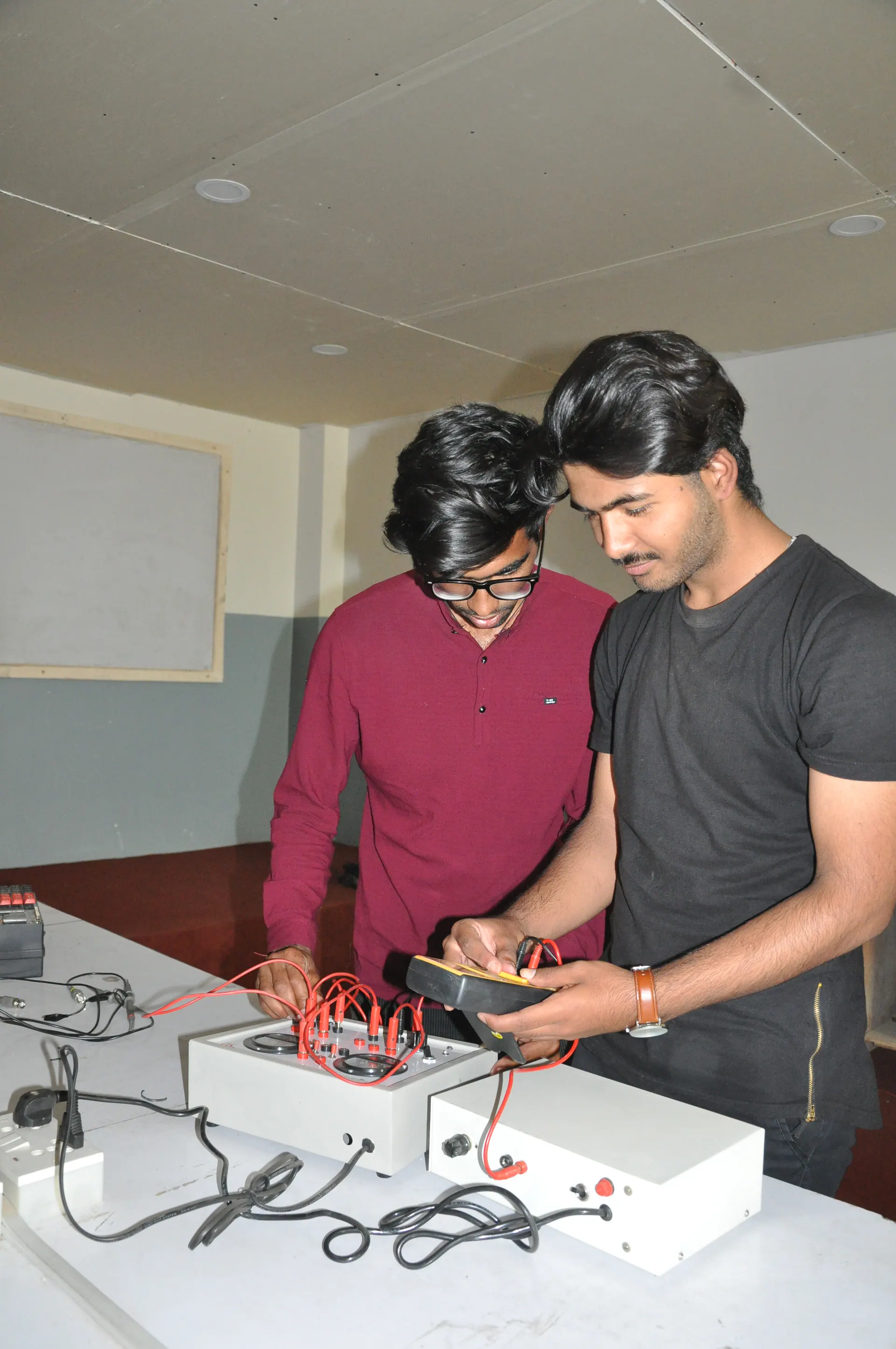
Make voltage, timing, frequency and noise visible, then learn what the measurement can actually prove.
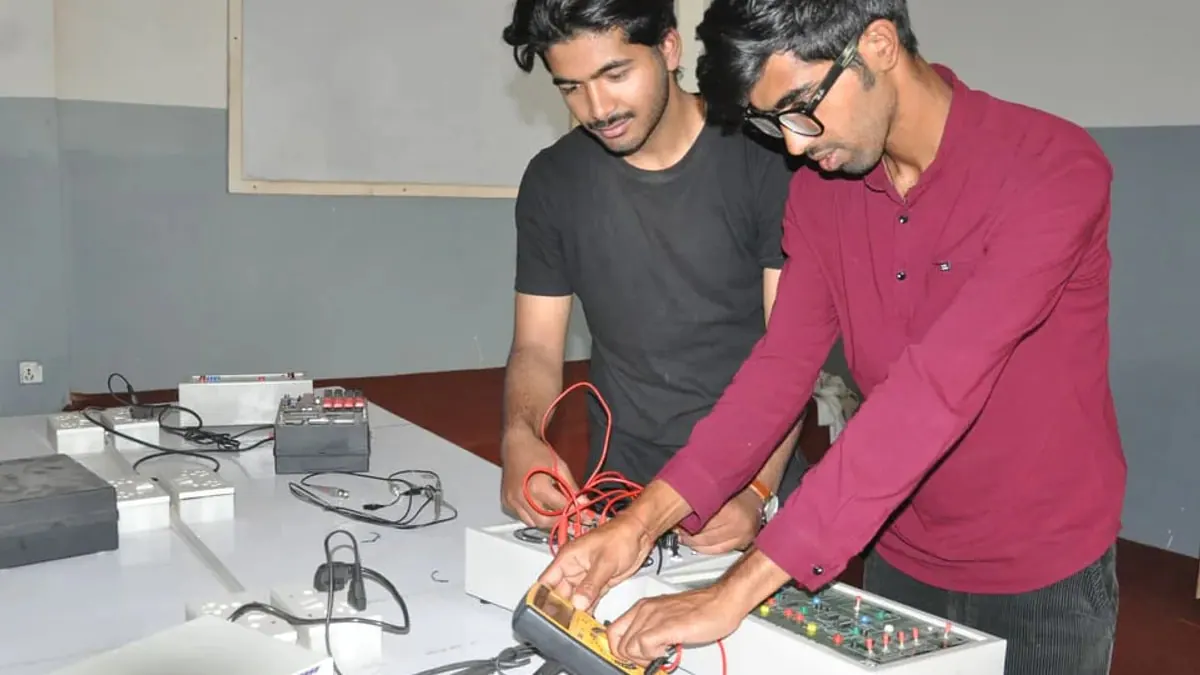
Join sensors, processors and code so a device can read, decide and respond within real limits.
Balance noise, bandwidth, range and power to move information through a complete communication chain.
The four-year journey
Open a year for representative subjects. The official TU/IOE syllabus remains the authority.
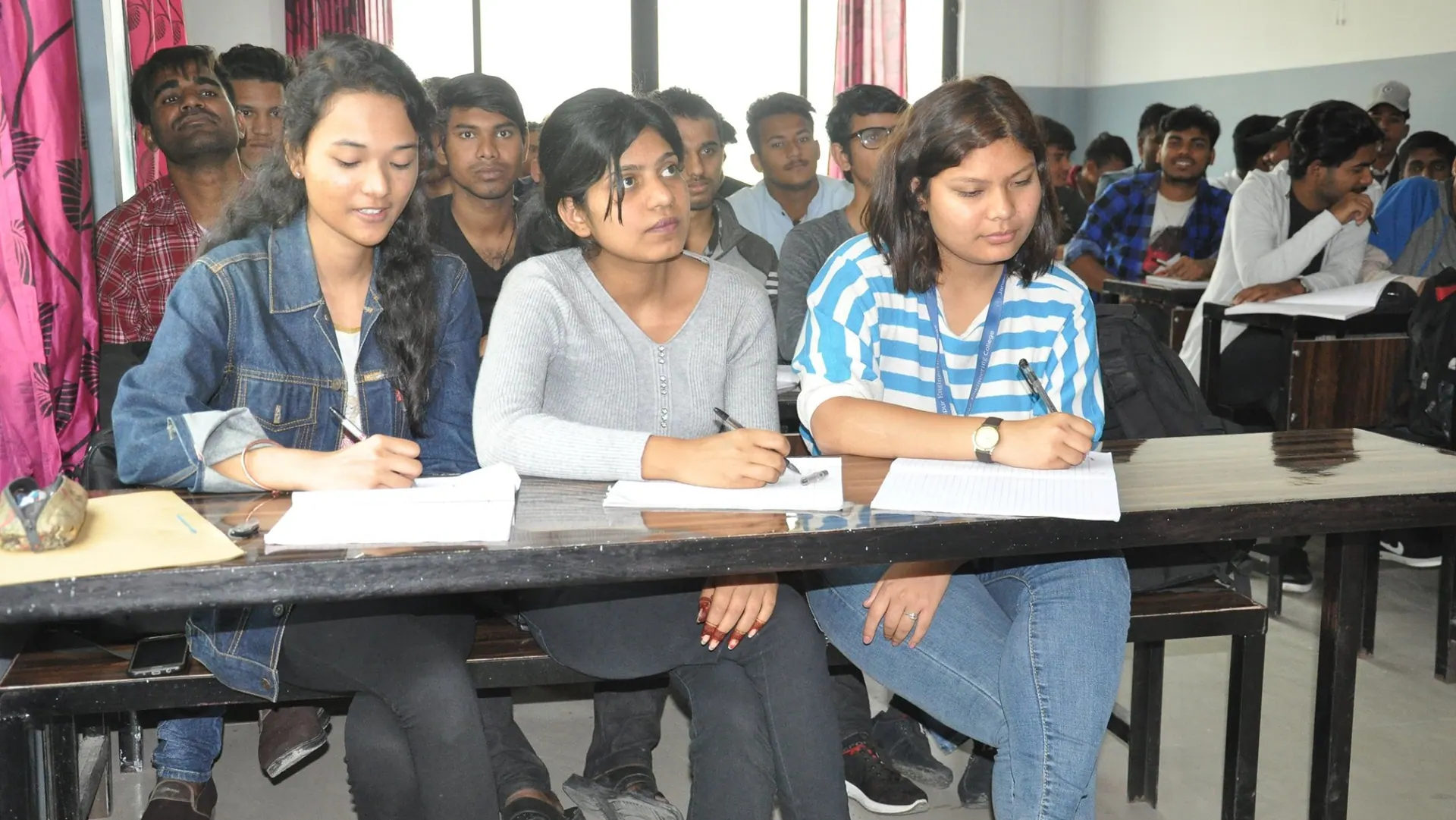
Establish the mathematical, scientific, programming and drawing base of the degree.
Engineering Mathematics I · Computer Programming · Basic Electrical Engineering · Engineering Physics
Engineering Mathematics II · Engineering Chemistry · Basic Electronics Engineering · Object-Oriented Programming
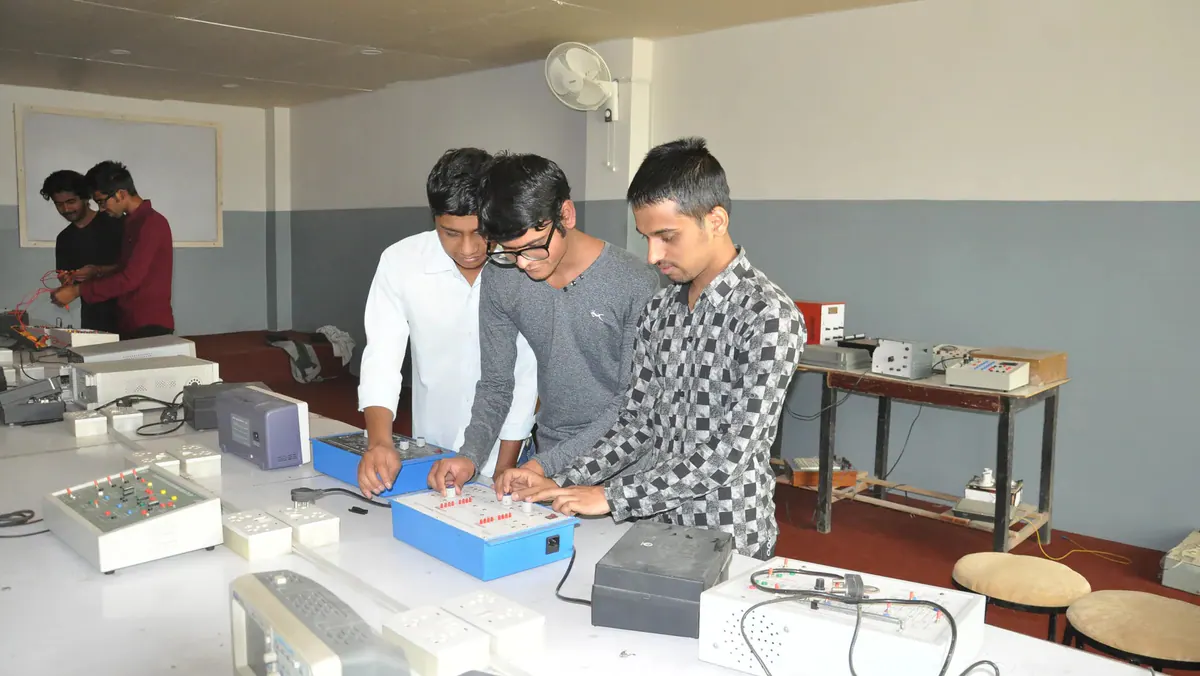
Learn how electronic systems represent, transform, measure and control signals.
Engineering Mathematics III · Network Theory · Electronic Devices & Circuits · Digital Logic
Applied Mathematics · Numerical Methods · Microprocessor · Signals & Systems
Connect communication, control, computing and embedded systems through applied work.
Probability & Statistics · Communication Systems I · Control Systems · Computer Organization
Communication Systems II · Filter Design · Embedded Systems · Operating Systems
Integrate antennas, wireless, signal processing and networks in professional project work.
Wireless Communication · Computer Networks · Antenna & Propagation · Digital Signal Analysis & Processing
RF & Microwave Engineering · Telecommunication Networks · Information Theory & Coding · Engineering Professional Practice
Practical learning
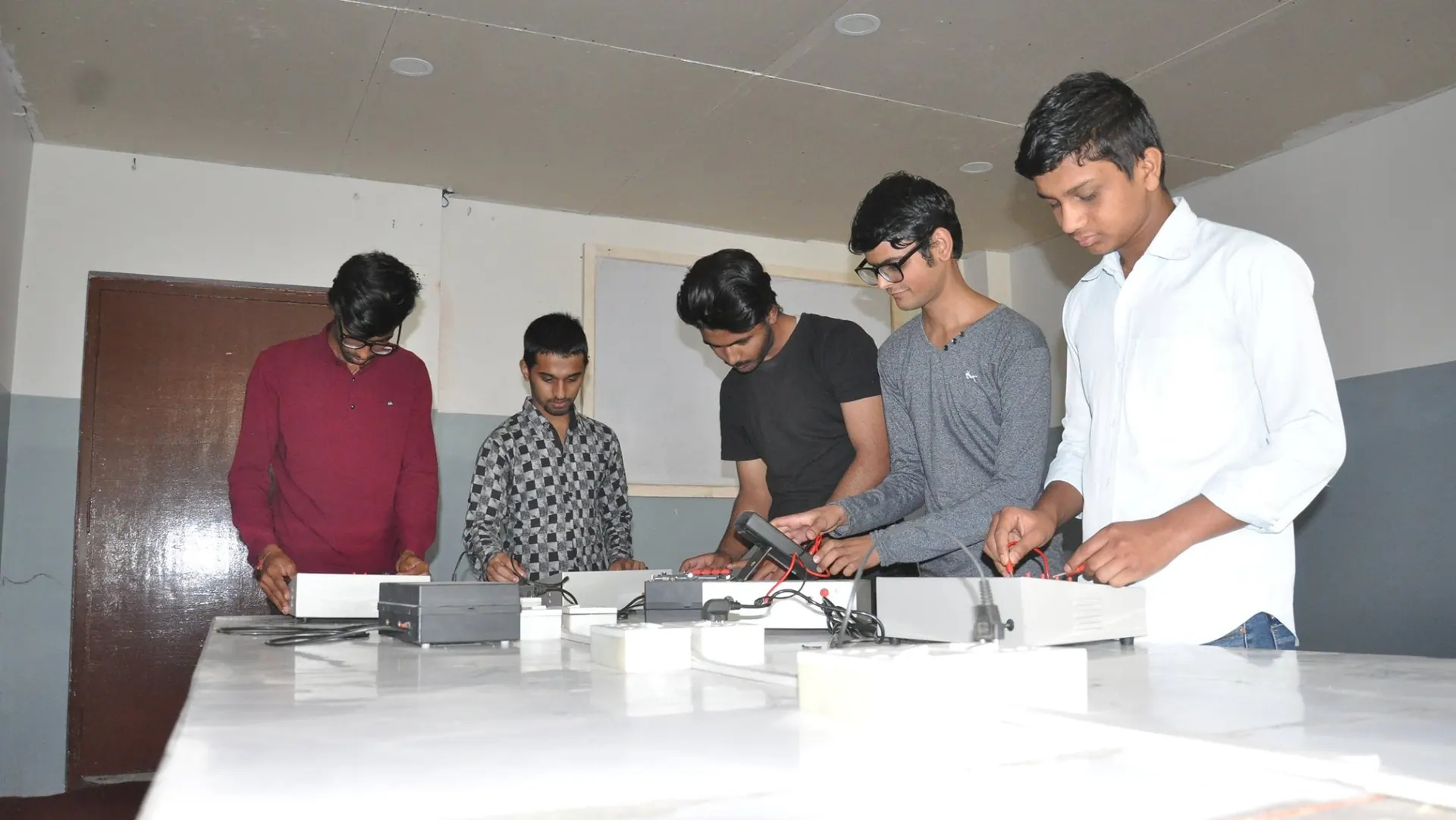
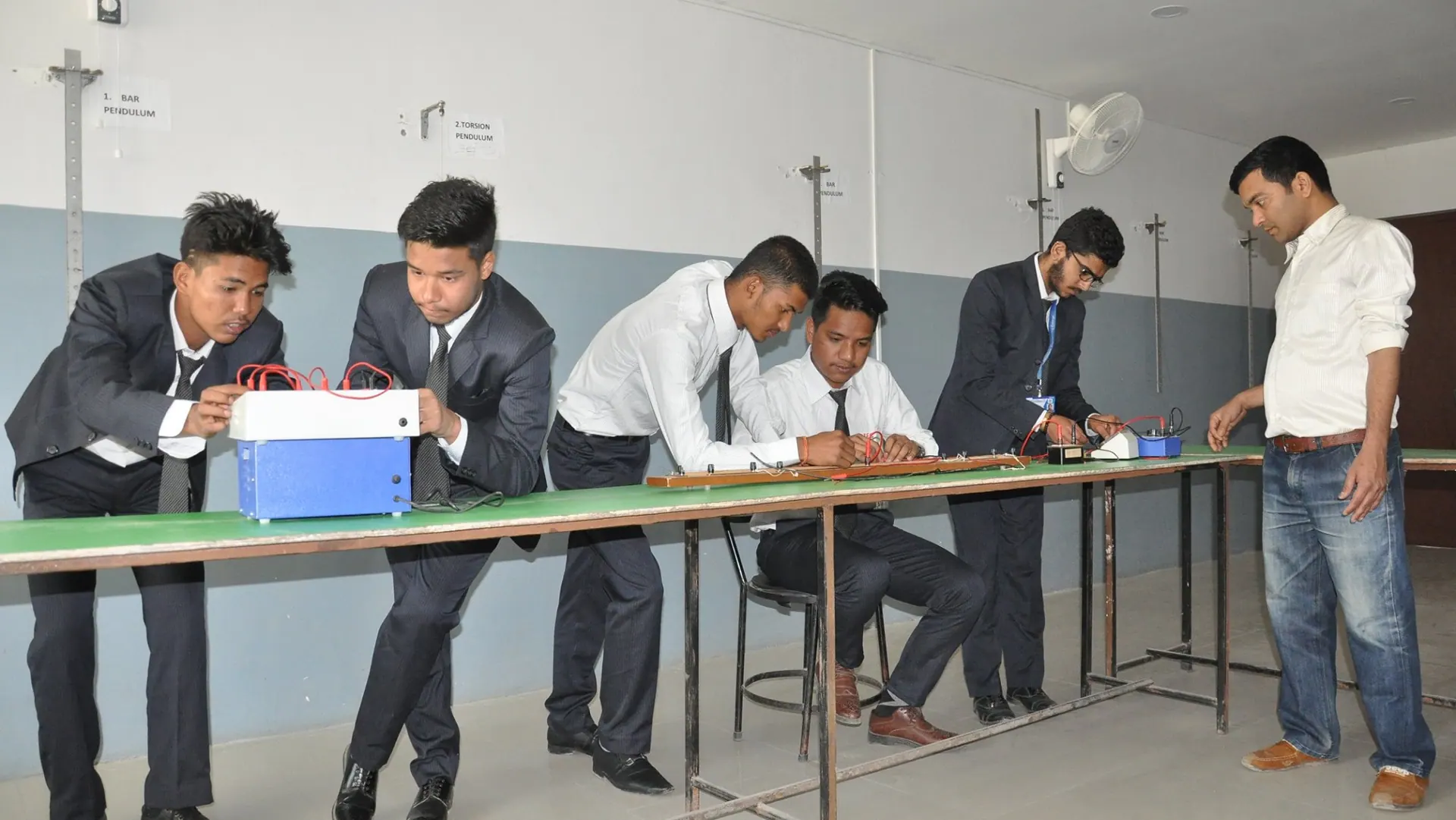
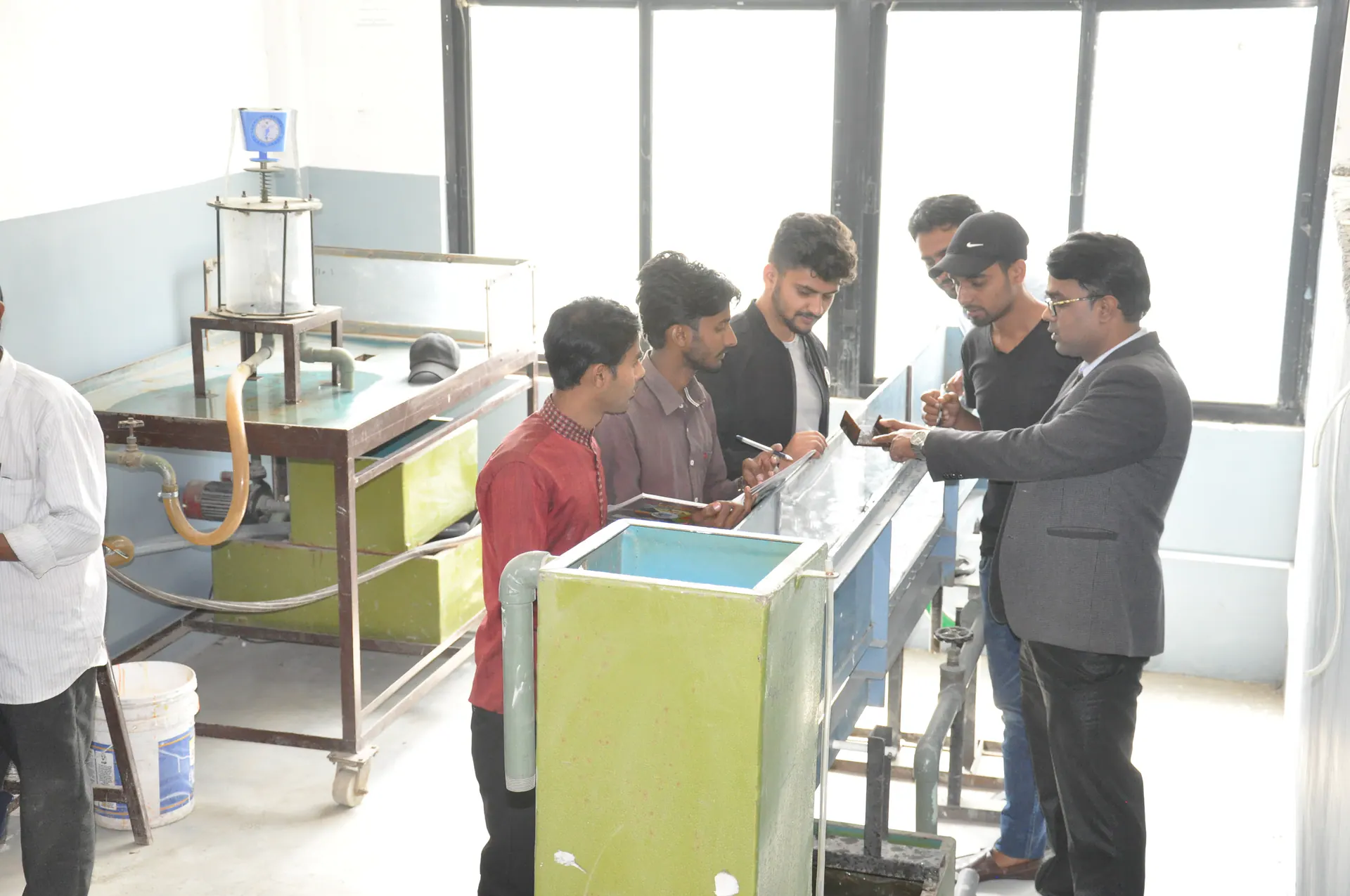
Bench work builds the discipline to test a circuit, question an unexpected trace and document how a complete system behaves.

Where it can lead
The degree can lead toward telecom, networks, embedded systems, IoT, electronics, broadcast or software-adjacent roles. A strong portfolio should show both technical depth and the ability to explain how a complete system was tested.
Admissions
Confirm your eligibility, current fee sheet and scholarship conditions in writing for the 2083/84 intake.
Questions students ask
There is overlap in the foundations, but this degree places particular emphasis on electronics, signals, embedded systems, wireless communication and information networks. The curriculum section shows that progression in detail.
It is an indicative year-by-year guide based on the current IOE structure. Tribhuvan University and the Institute of Engineering remain the authority for the official syllabus, subject codes and any revisions.
Request the dated fee sheet from the admissions team. They will explain the current intake, payment schedule, scholarship conditions and any university charges before you make a decision.
Yes. Ask admissions to arrange a campus visit so you can see relevant learning spaces, discuss eligibility and bring a parent or guardian if you prefer.
The merit award is built into the published fee rather than granted on top of it: a stronger IOE entrance rank places you in a lower fee band, and the amount published for that band is what you pay. The full structure is on the fees page, and you can check your own rank against it there.
B.E. Electronics, Communication & Information
Last reviewed by Imperial College of Engineering. Course content follows the IOE syllabus; seats and fees follow the current admission cycle.