
Five million industrial robots now work in factories worldwide
The IFR's World Robotics 2026 report counts more than 600,000 new robots installed in 2025, with China taking 59 percent and India rising 15 percent.
Factories installed more than 600,000 industrial robots in 2025, 11 percent more than the year before, the International Federation of Robotics (IFR) said in its World Robotics 2026 report on 24 September 2026. The number of robots in operation reached a record 5 million. China installed 354,000, or 59 percent of the world total.
- 600,000+industrial robots installed worldwide in 2025, up 11%
- 59%of 2025 installations were in China
- 38,500robots installed in the United States, now second
- 10,500robots installed in India, sixth in the world
- 806,000installations the IFR expects in 2029
What happened
The IFR is an industry association for robot makers and research groups. It released the report in Frankfurt, Germany. The 5 million robots in operation are 9 percent more than a year earlier and more than double the number seven years ago. Growth was strongest in Asia, followed by the Americas, while Europe moved more slowly. The Robot Report also covered the figures.
China dominates the market. Its 354,000 installations in 2025 were 20 percent higher than in 2024 and almost 60,000 more than its previous record. Chinese robot makers installed 195,000 units at home, which gave them 55 percent of their own market. That share was slightly lower than the 57 percent they held in 2024, so foreign suppliers still sell a large number of robots in China.
The order below China changed. The United States installed almost 38,500 robots, up 12 percent, and passed Japan to become the second-largest market. Japan installed 36,219, down 19 percent, and the IFR does not expect a major recovery soon. South Korea installed 30,000, close to its level of about 31,000 a year since 2019. Germany was fifth, with fewer than 25,000, down 8 percent, though it still accounted for 41 percent of installations in the European Union. Other European markets also fell: Italy by 11 percent, France by 8 percent and Spain by 15 percent.
India installed almost 10,500 robots, up 15 percent, and ranks sixth in the world. Its installations have grown by an average of 27 percent a year since 2020. Brazil installed almost 4,300, up 38 percent, and its car industry more than tripled its robot installations. The IFR expects 655,000 installations worldwide in 2026 and about 806,000 by 2029, with China, the United States and India named as strong growth markets.
The engineering behind it
An industrial robot is usually an arm with several joints. Each joint has an electric motor, a gearbox and a sensor that measures its angle. A controller calculates how much each joint must move so that the tool at the end follows the right path. It then corrects the motors many times a second, using feedback from the sensors. This combination of motors, sensors and feedback control is the core of every robot arm.
A robot alone does nothing useful. It must be integrated into a production line. Engineers connect it to conveyors, safety fences, light curtains and other machines, usually through a programmable logic controller, a rugged industrial computer that runs the line. They must also design grippers, plan the robot's movements, set safe speeds near people and write programs that recover when something goes wrong.
The IFR expects advances in artificial intelligence, machine vision and sensing to make robots more capable. Machine vision lets a robot find a part that is not in exactly the same place every time, or inspect a product for defects. The IFR also expects easier programming and simpler integration to lower the cost of using robots and open new uses. Both trends move part of the work from mechanical setup into software and data.
The IFR links the demand to several causes: changes in population, labour shortages, and companies moving factories closer to home for reasons of supply chain safety, trade policy and conflict. Each of these pushes companies to produce more with fewer workers on the factory floor. They still need technical staff to install, program and maintain the machines.
What it means in Nepal
The sources do not cover Nepal, so this section is about the work and the skills. The report shows that robots are spreading fastest in Asia, and that India's market has grown steadily for five years. Where robots are installed, someone must design the cells, write the programs, keep the machines running and fix them when they stop. These jobs need a mix of electrical, electronic, mechanical and software knowledge.
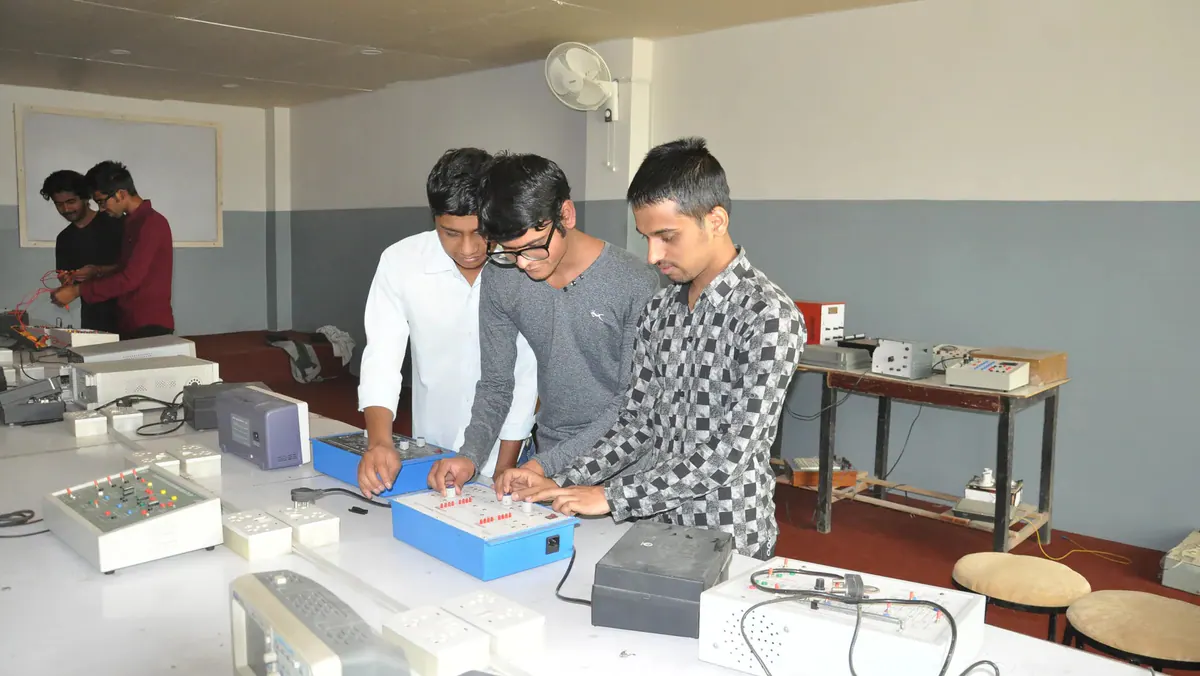
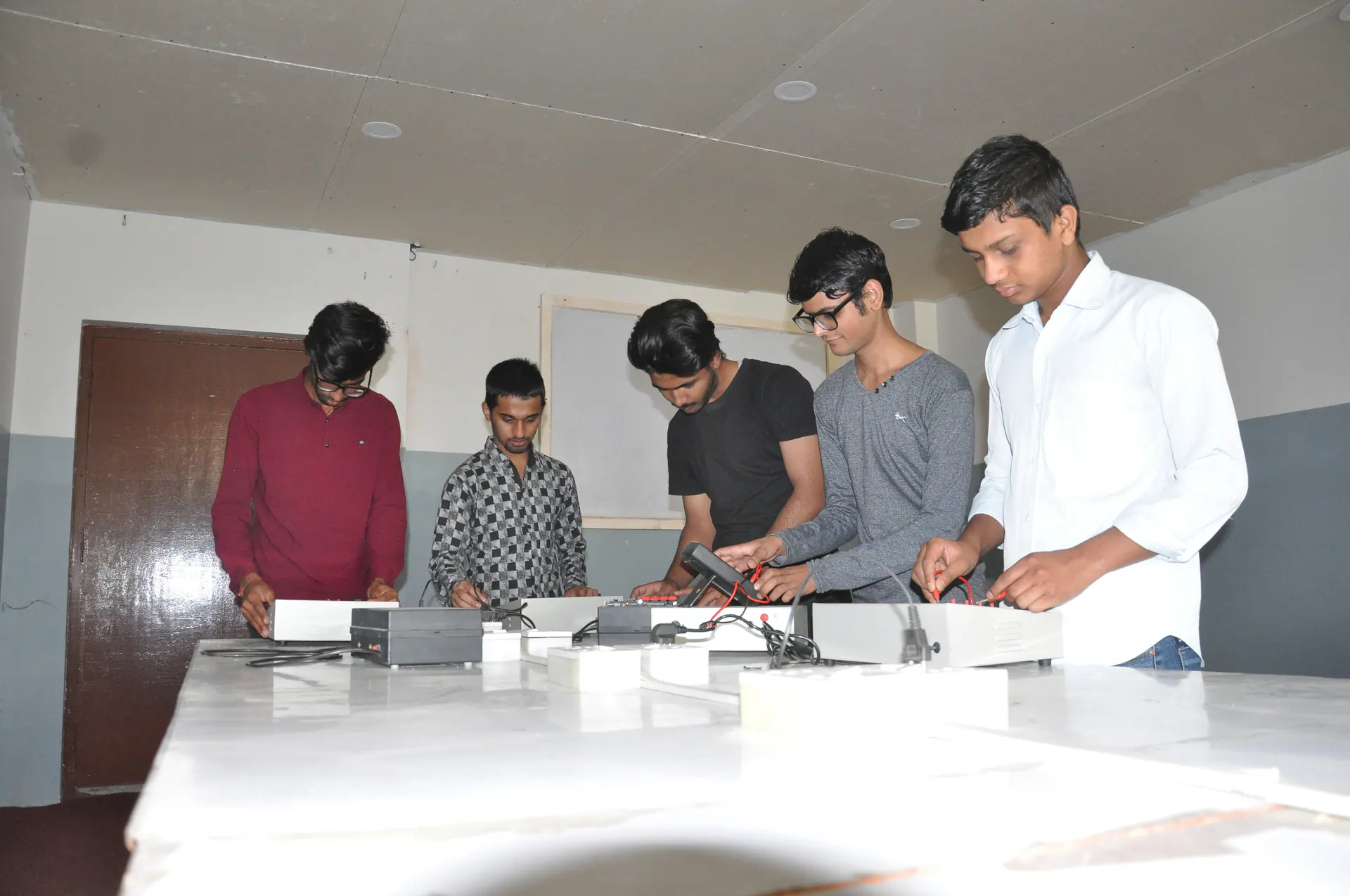
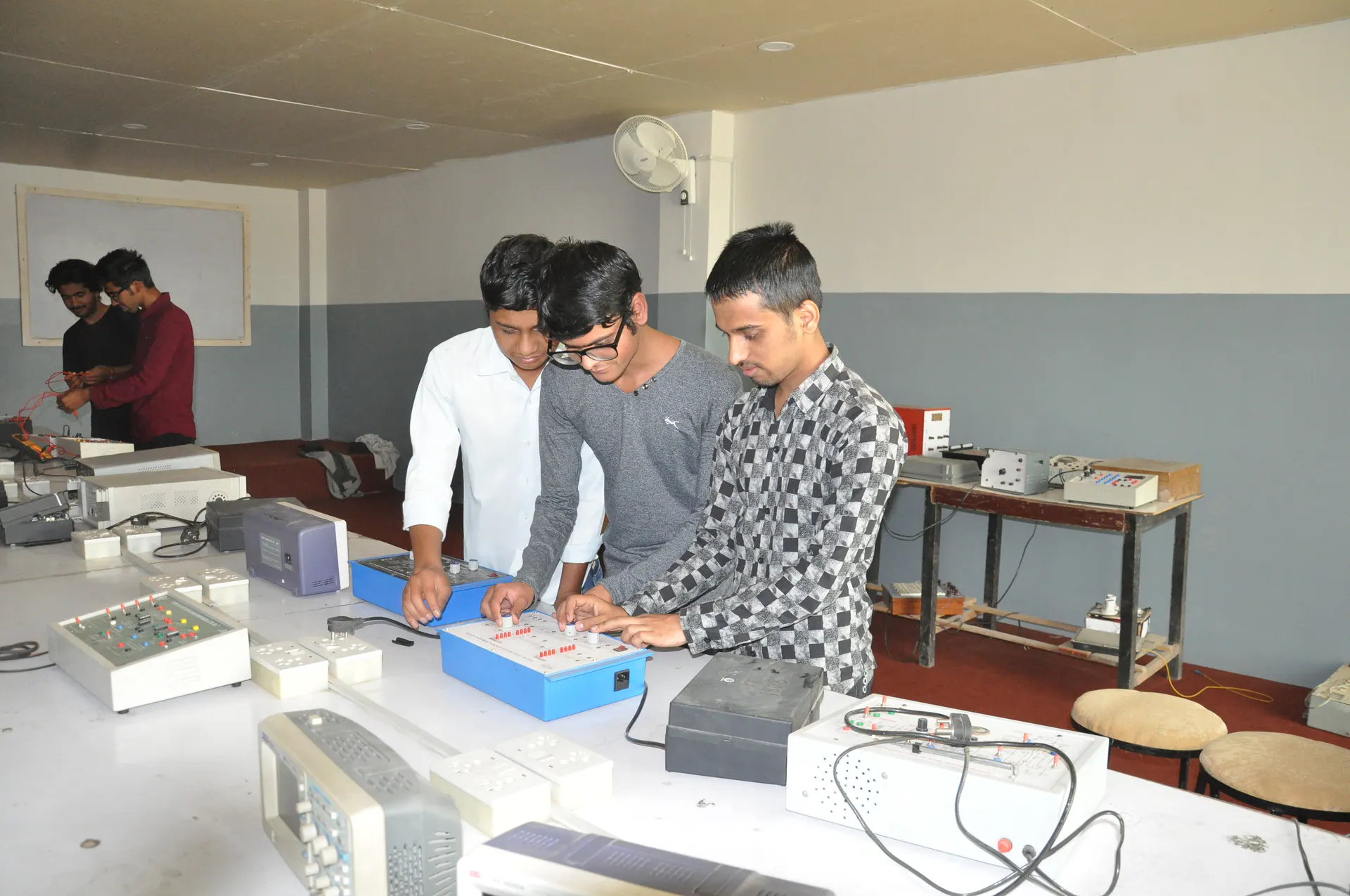
Robotics is also a practical way to learn engineering as a whole. A small robot arm or mobile robot built for a project uses motor drivers, sensors, a microcontroller, feedback control and some programming. Getting it to move smoothly and safely forces a student to understand each of these parts and how they interact. The same skills apply to automated gates, packaging machines and many other controlled systems.
The IFR's emphasis on machine vision and easier programming points to useful skills for students. Learning to process camera images, to recognise simple objects and to connect a program to real motors is now possible with low-cost boards and free software. A student who has done this on a small scale will understand the basic ideas behind an industrial robot cell, even before seeing a real one.
What to study if this interests you
For BEI students, Control System, ENEE 204, in the third semester, covers system models, stability and feedback, the basis of how a robot joint follows a path. Embedded Systems, ENEX 302, in the fifth semester, teaches design with microcontrollers and real-time operating systems, which run motor control and sensors. Robotics, ENEX 412, in the seventh semester, brings these together in the study of robot motion and control.
For BCT students, Artificial Intelligence, ENCT 351, in the sixth semester, introduces the methods behind machine vision and learning, the area the IFR expects to drive new robot uses. This course has a full guide on the site. Students who pair it with a small hardware project, such as a camera that guides a simple arm, will see how software decisions turn into physical motion.
Words in this story
- Industrial robot
- A programmable machine, usually an arm with several joints, used in factories for tasks such as welding, assembly and handling.
- Programmable logic controller
- A rugged industrial computer that controls machines and production lines using inputs from sensors.
- Machine vision
- The use of cameras and software to let a machine find, measure or inspect objects.
- Compound annual growth rate
- The average yearly growth rate over several years, assuming steady growth each year.
Where this comes from
- International Federation of Robotics, 24 Sep 2026
- The Robot Report, 24 Sep 2026
Written in our own words; no sentence is copied from these reports. Researched with AI assistance on 11 October 2026; no member of faculty has reviewed it yet. If you spot a mistake, call 01-5091616 and we will correct it and say so.