
Clean hydrogen investment passes $130 billion, Hydrogen Council says
Committed projects now cover 6.9 million tonnes a year of capacity, but developers are cancelling others as costs stay high and demand stays weak.
Committed investment in clean hydrogen has passed $130 billion, the Hydrogen Council said on 10 September 2026 in its Global Hydrogen Compass 2026 report, Reuters reported. The money backs more than 570 projects with about 6.9 million tonnes a year of capacity. Reuters also noted that many developers have cut back or cancelled projects because of high costs.
- 570+committed clean hydrogen projects worldwide
- 6.9 Mt/yrcombined capacity of those committed projects
- 90%of committed projects under construction or operating
- 6 Mt/yrof 2030 demand backed by policies already in force
- 2.5 MWsize of Nepal's planned green hydrogen pilot in Hetauda
What happened
The Hydrogen Council is an industry group of energy and industrial companies. It wrote the Global Hydrogen Compass 2026 with the consulting firm McKinsey and Company, and released it alongside a meeting of hydrogen energy ministers in Tokyo. According to Biofuels Digest, the report also drew on the views of about 70 company chief executives. Its headline figure is more than $130 billion of committed investment in clean hydrogen.
In industry reports, a committed project usually means one that has reached a final investment decision, not just a plan announced. The report counts more than 570 committed projects, with a combined capacity of about 6.9 million tonnes of hydrogen a year. About 90 percent of these projects are under construction or already operating. Renewable Watch, summarising the report, says capacity in operation grew 70 percent in a year to about 1.7 million tonnes a year, and could reach about 3.8 million tonnes next year.
The projects are not spread evenly. China holds more than half of the world's committed capacity for hydrogen made with renewable electricity. The report says China also built 90 percent of the new operating capacity added worldwide since 2025. Europe is second by investment and has the most projects, with investment up 35 percent since 2025. The United States holds about 75 percent of committed capacity for low-carbon hydrogen and ammonia made from natural gas with carbon capture.
Demand is the weak point. The report says policies already in force could support about 6 million tonnes a year of clean hydrogen demand by 2030. Another 5 million tonnes could follow if governments carry out measures they have already announced. Reuters added that developers around the world have reduced investment and cancelled projects because production is expensive and buyers are few. Industries such as steelmaking still find the switch very costly.
The reasons for investing are changing. Reuters reported that governments now see hydrogen as a way to protect their energy supply and grow industry, not only as a way to cut emissions. Renewable Watch says more than 60 percent of committed investment is in regions where energy security and industrial growth matter as much as, or more than, climate goals. In Europe, the report links growth to European Union transport targets that member states are writing into law.
The engineering behind it
Most clean hydrogen made with renewable power comes from electrolysis. An electrolyser passes direct current through water and splits it into hydrogen and oxygen. The main cost is electricity, so cheap power is the key to cheap hydrogen. An electrolyser that runs only when power is cheap uses its expensive equipment for fewer hours, so engineers must balance the price of power against how many hours the plant runs.
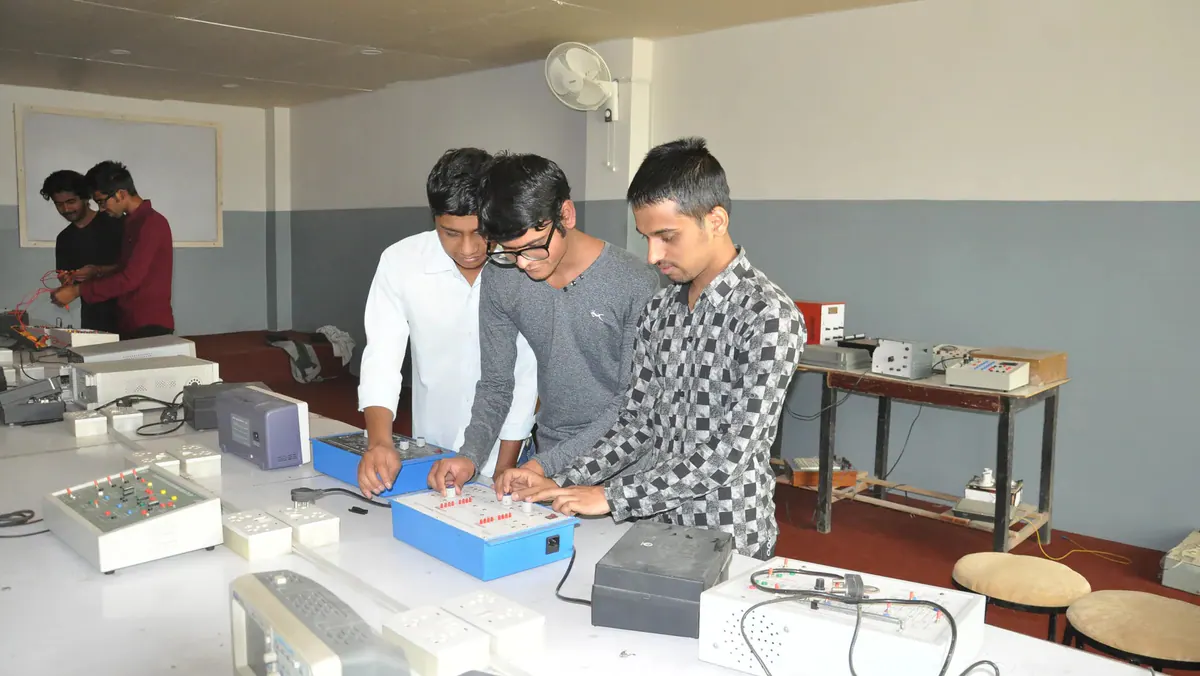
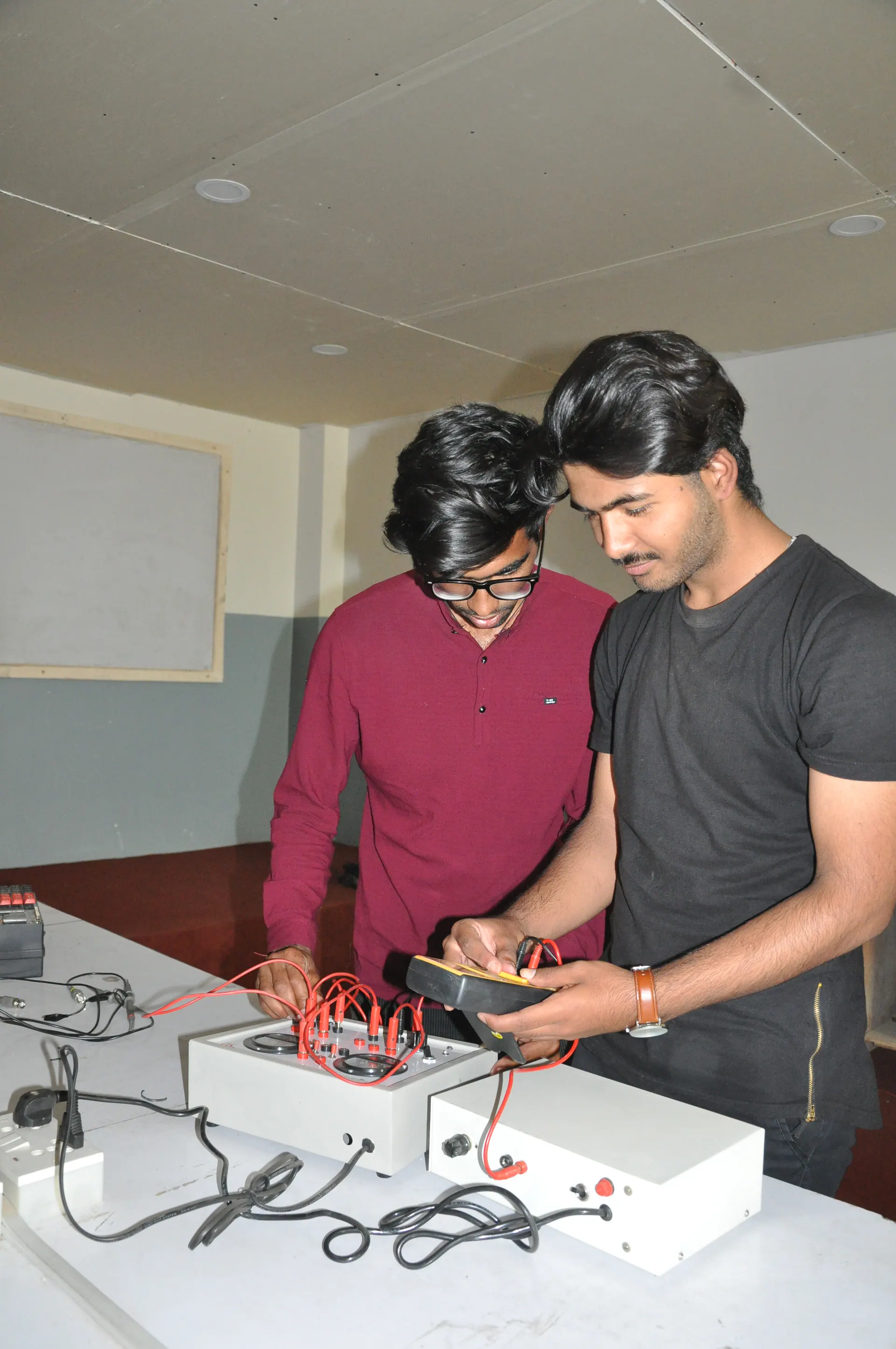
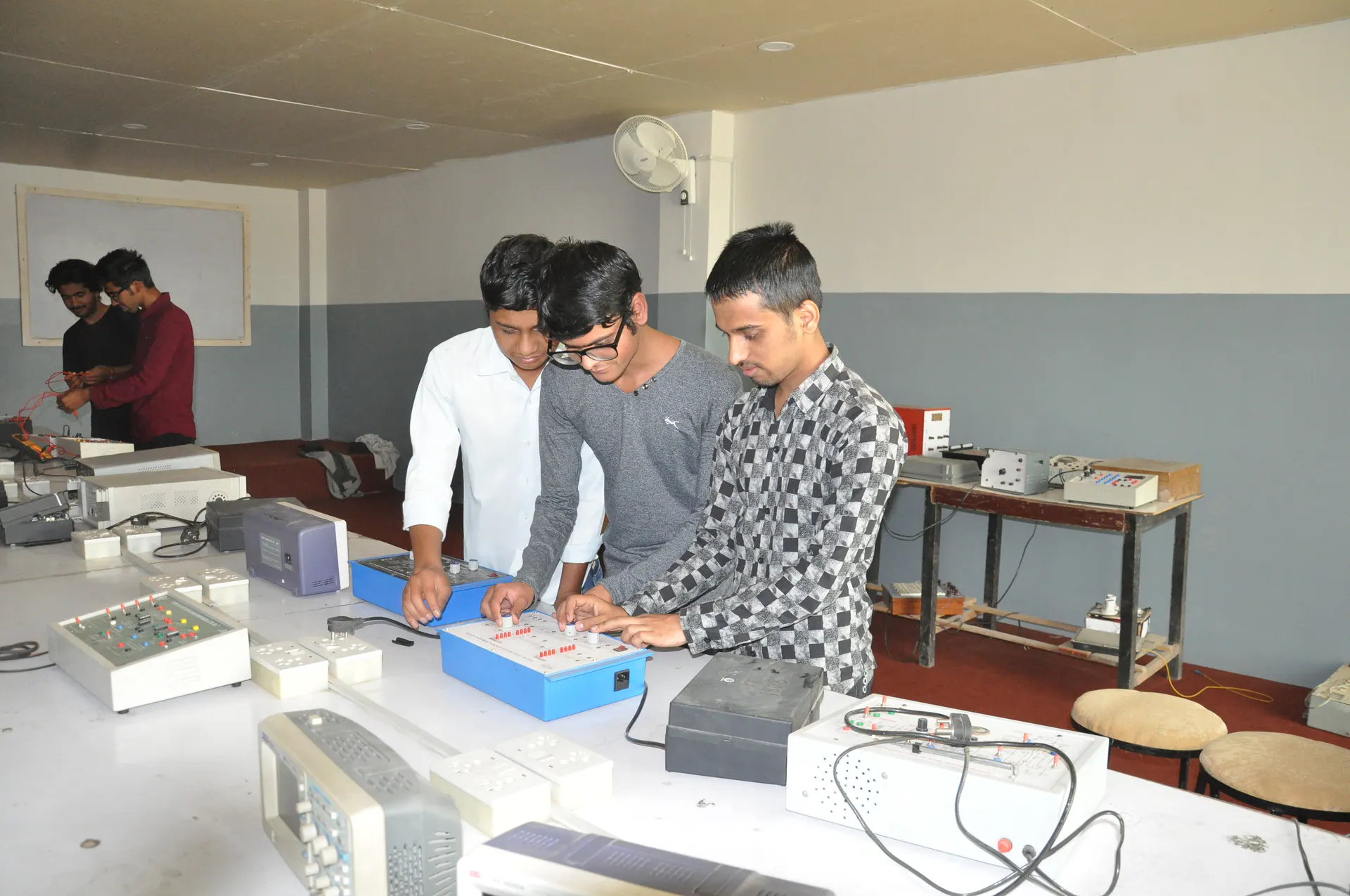
The electrical side of a large electrolyser plant is a power engineering job. Grid power is alternating current at high voltage. Electrolyser stacks need large direct currents at lower voltage. Big transformers and rectifiers convert one to the other, and their efficiency and power quality affect the whole plant. Control systems must also follow changes in supply, especially when the power comes from solar, wind or run-of-river hydro, which vary over the day and the year.
The other side is chemical and civil engineering. Hydrogen is a very light gas that leaks easily and burns over a wide range of mixtures with air, so storage tanks, pipes and safety distances need careful design. Much hydrogen today is used to make ammonia for fertiliser and in oil refining. Renewable Watch reports that 75 percent of the 2030 demand already under binding contract is for these existing uses, not new ones.
What it means in Nepal
Nepal already has a hydrogen policy. The Himalayan Times reported on 6 June 2026 that the government has put its Green Hydrogen Policy-2080 into effect. At a workshop held by the Alternative Energy Promotion Centre in Kathmandu, the Energy Ministry Secretary said the budget for the coming fiscal year had set aside funds for a pilot plant. The plant is planned at 2.5 megawatts in Hetauda, Makwanpur. The article did not give the amount of money or a timeline.
The Energy Minister described green hydrogen as a major opportunity, linked to industry, energy security and exports. The workshop called for an action plan covering research, pilot projects, safety standards, technical training and international cooperation. These are early steps. A 2.5 megawatt pilot is very small compared with the global projects in the Hydrogen Council report, and its purpose is to test the technology and build skills.
The global report gives a useful warning for students. Large investment is going in, but demand is slow and costs remain high, and China is far ahead in building plants. Whether hydrogen made in Nepal can compete depends on the price of electricity and how many hours a year the electrolysers can run. Students can study these questions with basic cost calculations, using published figures and clear assumptions about power prices and running hours.
What to study if this interests you
Engineering Chemistry, ENSH 153, in the second semester of BEI, starts with electrochemistry and catalysis, the science of how an electrolyser splits water. Advanced Electronics, ENEX 202, in the third semester, includes power electronics and switched-mode power supplies, the basis of the rectifiers that feed electrolyser stacks. Together, these two courses explain both halves of the machine: the chemical reaction and the electrical supply that drives it.
For BCE students, Engineering Economics, ENCE 307, in the fifth semester, teaches cost analysis, the time value of money and risk analysis, the tools needed to test whether a hydrogen plant can pay for itself. Hydropower Engineering, ENCE 403, in the seventh semester, covers the power plants whose seasonal output a hydrogen project in Nepal would depend on.
Words in this story
- Electrolyser
- A machine that uses electric current to split water into hydrogen and oxygen.
- Rectifier
- An electrical device that converts alternating current from the grid into direct current.
- Final investment decision
- The point at which a company formally commits the money to build a project.
- Low-carbon hydrogen
- Hydrogen made from natural gas where most of the carbon dioxide is captured and stored instead of released.
Where this comes from
- Reuters (via WHTC), 10 Sep 2026
- Biofuels Digest, 10 Sep 2026
- Renewable Watch, 25 Sep 2026
- The Himalayan Times, 6 Jun 2026
The news itself rests on one source; any other link is background or from the same publisher. Written in our own words; no sentence is copied from these reports. Researched with AI assistance on 11 October 2026; no member of faculty has reviewed it yet. If you spot a mistake, call 01-5091616 and we will correct it and say so.